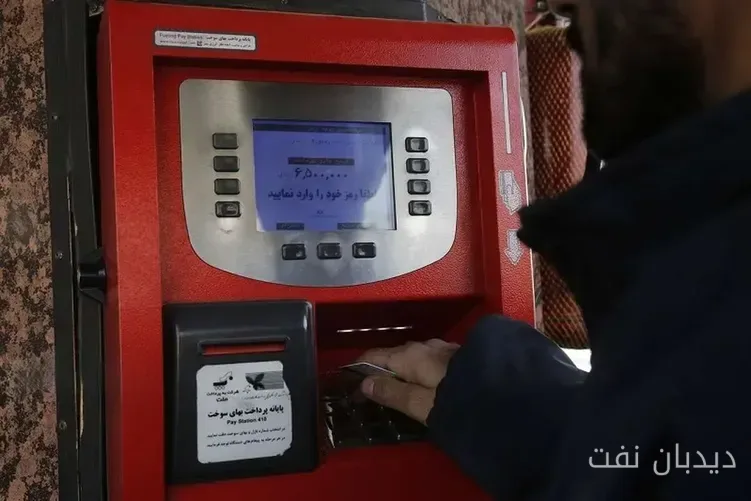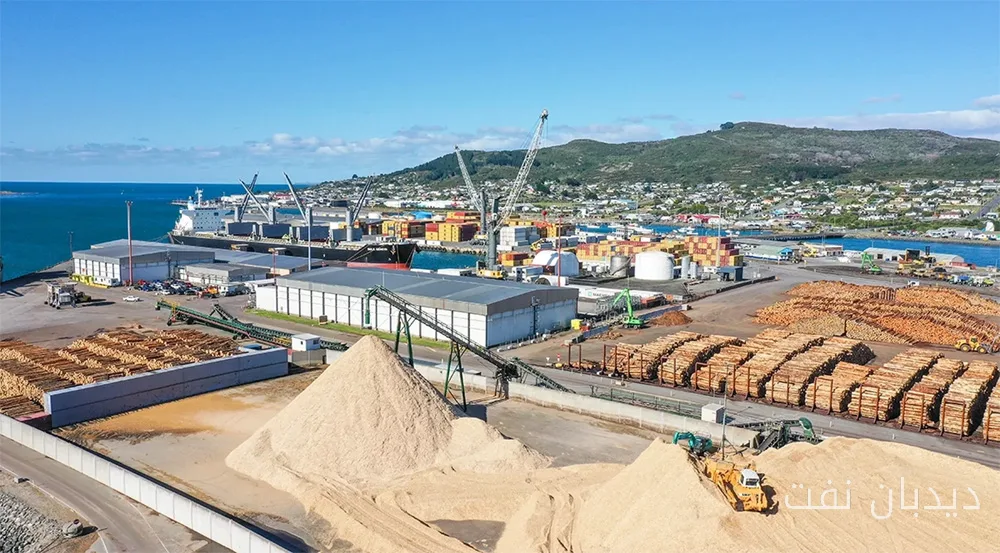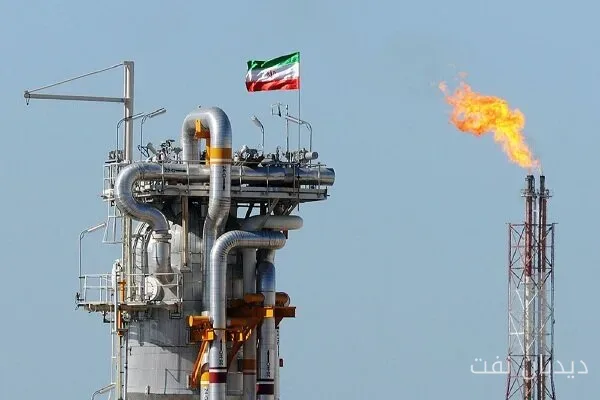
The Gas Exporting Countries Forum (GECF), as a key entity in the energy industry, can significantly assist Iran in managing gas imbalance. Iran, as one of the largest gas producers in the world, faces a challenge known as "gas imbalance," which has both domestic and international roots. This imbalance peaks during the cold seasons and is influenced by factors such as high energy consumption in residential and commercial sectors, inefficiency of heating equipment, and pressure drops in gas fields like South Pars.
Development of Gas Swap and Transit
One effective solution to alleviate pressure on the national gas network is to utilize the transit and swap capacities of gas with GECF member countries, especially Russia and Turkmenistan. Due to its geographical position, Iran can act as a bridge between the rich resources in the north and the consumer markets in the south and west of Asia. In winter, when northern provinces face pressure drops, the gas swap project can help compensate for this shortage while simultaneously generating significant revenues from gas transit.
Read more: USS George Washington's Operational Mission in Protecting Ships
Attracting Investment and Advanced Technologies
Developing underground gas storage infrastructure is another key tool for managing seasonal imbalances. In developed countries, gas consumed in warm seasons is injected into natural reservoirs to be used during the cold winter days. Despite advancements, Iran has not yet achieved sufficient storage capacities. Sharing experiences with GECF member countries in this area can help accelerate the development of these projects and reduce the vulnerability of industries and households to cold.
Diplomatic Coordination and Export Commitments
Domestic gas imbalance also negatively impacts Iran's international commitments. During cold seasons, high domestic demand limits gas exports to countries like Turkey and Iraq. Active participation in the GECF allows Iran to design solutions for managing these seasonal crises through regional cooperation, thereby maintaining its commercial credibility. By signing barter agreements with other countries, Iran can cover its export commitments during cold seasons with gas from other members.
Overall, while the GECF cannot alone replace structural reforms in Iran, it can serve as an effective tool for facilitating energy diplomacy and accessing technology and investment.
Read more: Fire on Two Container Ships and Efforts to Contain Them · Sanctions on Iran's Oil Exports Intensified by U.S. Maritime Blockade