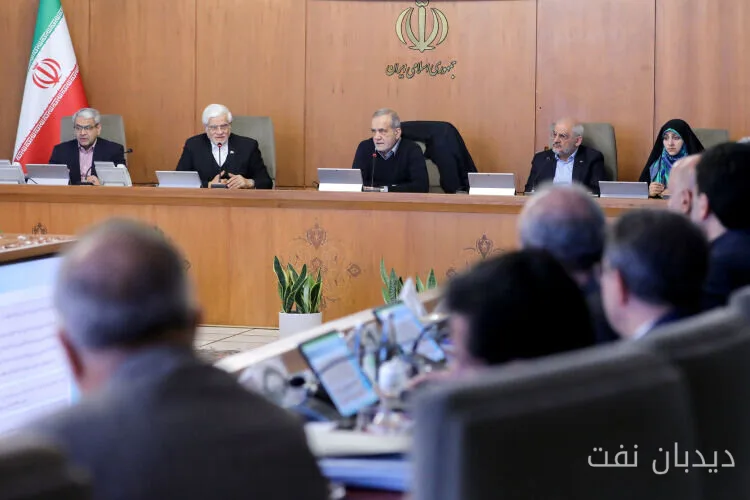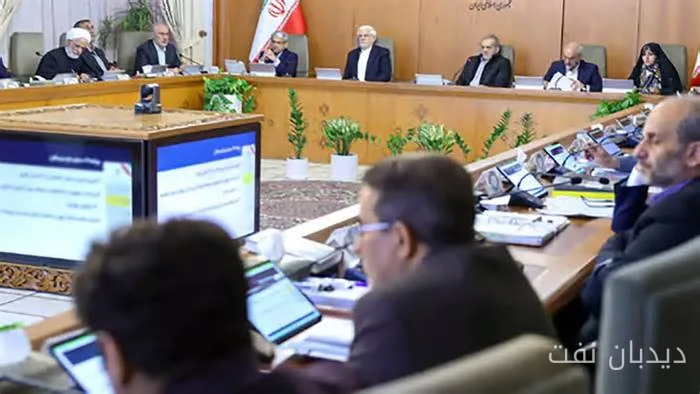
Nooruddin Ahi, advisor to the President's parties, announced that the cabinet of the fourteenth government will be restructured at the beginning of its third year of activity. In this regard, he stated that the response to the current challenges of the country must be sought in the performance of the government, not in the political inclinations of the managers. According to him, in the first two years, the government tried to increase trust among political currents and create a managerial consensus.
The Necessity of Unity and Government Efficiency
Ahi continued to examine the current situation of the country and said that today we are faced with a set of complex issues that include energy imbalance, economic and livelihood problems, the banking system, and social demands. He emphasized that to solve these issues, one cannot act solely with the logic of daily management, and the third year must become the year of solving problems.
Read more: Macres Approved the Order for 26 New Container Ships
He also pointed out that the reorganization of the government does not mean negating the past, but rather refers to evaluating performance and selecting the most efficient capacities for the new phase. According to him, unity should not turn into "share-seeking," and all managers must be accountable for the results of their decisions.
The Role of Parties and Civil Society
Ahi emphasized that the role of parties and organizations in this process should go beyond mere demands, and civil society can help identify elites and efficient forces in solving today's complex issues. This capacity can turn meritocracy into a mechanism.
Moreover, the government in its third year must increase its ability to face criticism. Fair and expert criticism can serve as a tool for government reform. According to Ahi, the unity needed today is not only among politicians but must also include unity between the government and the people.
Ahi concluded by stating that in the third year, the goal is maximum consensus with the people for important national decisions. He emphasized that the government must involve the people in decision-making, sincerely explain the necessity of reforms, and distribute the costs of reforms fairly. In his opinion, restructuring the cabinet, if based on meritocracy and solving issues, is not only not a weakening of unity but a deepening of it.
Read more: Masoud Samiinejad: Energy Imbalance Has Become a Challenge for Steel Production · Executive Vice President: The 80,000 Toman Gasoline Plan Is Not on the Agenda