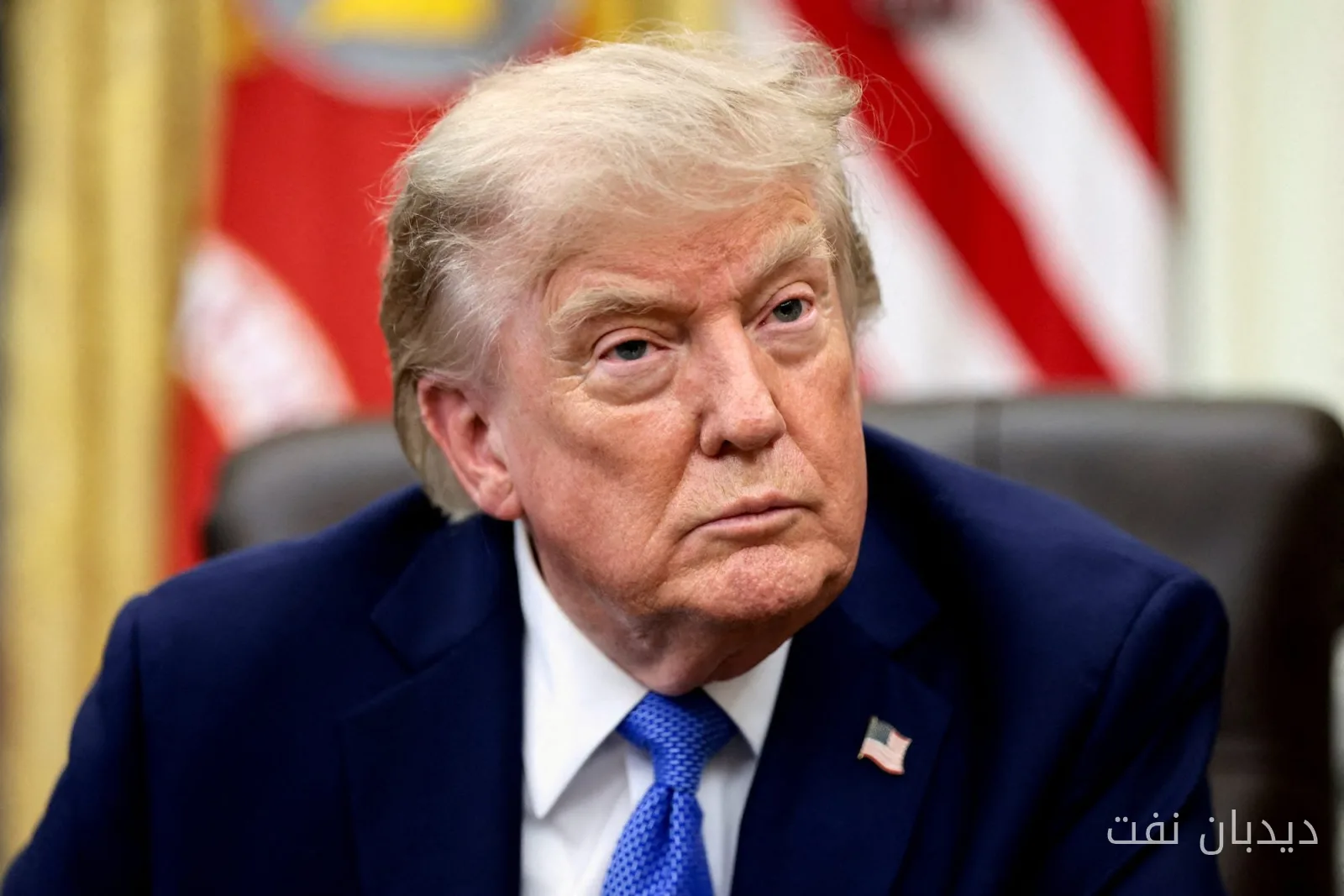
The American Maritime Council (AMP) has requested President Donald Trump to end the emergency waiver of the Jones Act, which was approved on March 17 due to disruptions in the energy market, on November 15. The council warns that the continuation of this waiver, despite eight months of authorization, has failed to reduce fuel prices and simultaneously harms investment in the U.S. maritime industry.
Reasons for Requesting the End of the Waiver
In a letter sent to the White House, Jennifer Carpenter, President of AMP, argued that further extending this waiver contradicts the government's stated goal of restoring U.S. maritime dominance. Carpenter noted that "the waiver was granted due to an extraordinary energy disruption, but after eight months, the record shows that continuing this waiver poses a threat to your ambitious plans to unleash investment that will restore U.S. maritime dominance."
Read more: Reduction of 400 million cubic meters of gas capacity in South Pars at peak consumption
Economic and Investment Consequences
This request is supported by AMP leadership, which represents a wide range of the domestic maritime industry, including ship operators, shipbuilders, dredging companies, and maritime labor organizations. The maritime council highlighted the negative impact of the waiver on investment in the industry, stating that companies in this sector have delayed over $2.6 billion in investments, including investments in new ships and the expansion of shipbuilding facilities.
AMP also pointed to concerns regarding the role of foreign shipping interests, claiming that over 28% of reported voyages under the waiver are attributed to ships or companies directly linked to China. This includes the Chinese shipping giant COSCO and has raised concerns about ships operating in domestic trade with foreign crews, including Russian sailors.
AMP emphasizes that the continuation of this waiver has provided no benefit to American consumers and has not resulted in any significant reduction in retail fuel prices. According to published analyses, the maximum impact on gasoline prices is estimated to be less than half a cent per gallon.
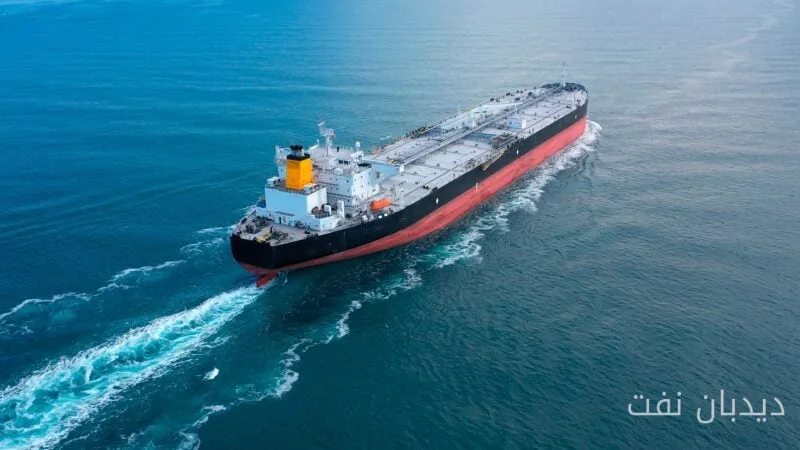
The final decision on whether to extend or end this waiver is left to the Trump administration. Under current Customs and Border Protection guidelines, cargoes transported under the current waiver must be loaded by 11:59 PM Eastern Time on November 15. This deadline coincides closely with the U.S. midterm elections, which could have significant implications for the country's maritime policy.
Read more: International Energy Agency's forecast on global gas shortages in 2026 · Jamalinajad: Solar energy development is a solution to reduce electricity imbalance