The Democrats' victory in the midterm elections has given the party control of both houses of the U.S. Congress and raised new questions about the future of the country's maritime policy. These changes could have profound impacts on tariffs, shipbuilding, the Jones Act, offshore energy, and the Trump administration's military operations in the Middle East.
Impact on Military Operations and Tariffs
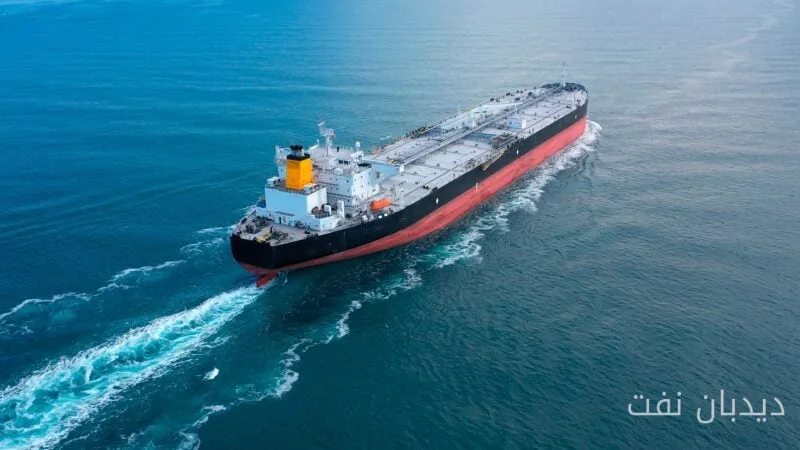
With control of Congress, the Democrats can challenge the Trump administration's policies. One important issue is the future of U.S. military operations against Iran. This conflict has had significant impacts on commercial shipping through the Strait of Hormuz. Frequent attacks on commercial vessels and maritime traffic restrictions have led to increased tanker rates and war insurance costs.
Read more: 400 million cubic meters reduction in gas capacity in South Pars at peak consumption
Washington continues to maintain a targeted maritime blockade against Iranian maritime trade, while Iran continues to threaten and attack vessels in the region. Iranian officials have called for an end to the U.S. maritime blockade, a reduction in oil sanctions, and the release of frozen funds as conditions for reopening the Strait of Hormuz.
Trade and Maritime Challenges
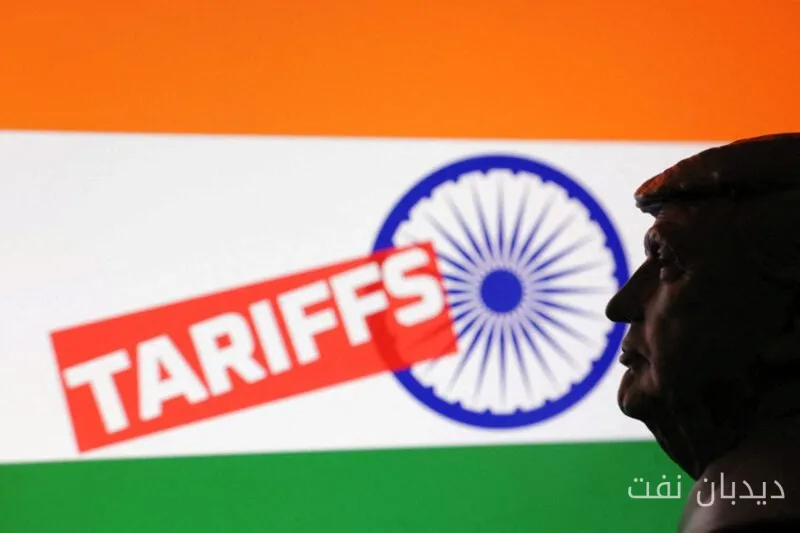
The Trump administration's tariff policies will also come under pressure. This administration has imposed extensive tariffs on U.S. trading partners, leading to uncertainty in international trade and affecting cargo volumes and container shipping demand. Senator Ron Wyden, the senior Democrat on the Senate Finance Committee, has called for a reduction in tariffs on Canadian goods and a greater role for Congress in trade policy.
Congress can also review tariffs and examine trade agreements and the impact of tariffs on American businesses and consumers. However, control of Congress does not mean the end of existing tariffs, and Trump still retains significant authority in this area.
U.S. maritime policies will also require more attention. The maritime action plan released in February aims to rebuild U.S. commercial shipbuilding capacity and increase the number of U.S.-flagged vessels in international trade. This plan includes proposals for shipbuilding incentives and the establishment of a maritime security support fund.
Read more: Hojjatoleslam Mousa Ahmadi emphasized the need for energy imbalance management in winter · Oil price fluctuations following Iran-U.S. negotiations