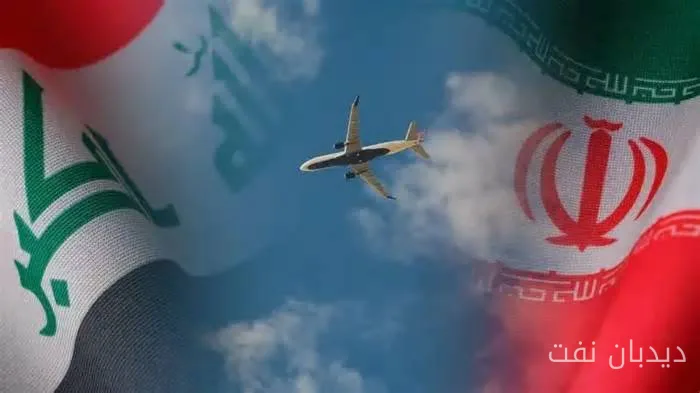
The suspension of Iranian flights to Iraq by the government of Ali Al-Zaydi, the Prime Minister of Iraq, occurred in response to U.S. sanctions pressures on Iran's aviation industry. This decision has led to a new phase in relations between Tehran and Baghdad and has faced criticisms and domestic reactions in Iran.
Analysis of the Current Situation
Currently, the question arises whether Baghdad will reconsider its decision due to recent developments. Alireza Majidi, an analyst of West Asian affairs, has stated that this issue is heavily dependent on the United States, and if recent decisions are finalized, Tehran's attitude towards the Iraqi government will significantly turn negative.
Read more: Eight U.S. Marines were injured in an Iranian attack on a ship
Factors Influencing Baghdad's Decision
Iraq expected Iran to understand this decision, but Tehran's reaction and sensitivities in this regard were unexpected. Baghdad believed that this issue was beyond their capacities and related to a larger matter involving 17 countries. Analysts believe that if the intensity of domestic protests in Iraq and Iran's reactions increase, Baghdad may reconsider its decision.
Ali Al-Zaydi, as the Prime Minister of Iraq, due to lacking a strong political and popular base, is compelled to rely on foreign support to strengthen his position. This is particularly felt in relation to foreign powers such as the United States.
Impacts on Tehran-Baghdad Relations
The Iraqi government's decision will undoubtedly have a negative impact on Tehran-Baghdad relations. Iran can leverage its pressure tools, including Iraq's dependence on energy. Over 46% of Iraq's electricity is dependent on energy supplies from Iran, and this can be considered a pressure tool in case of severe disputes.
Iran can emphasize the necessity of debt repayments, and this position may also be acceptable in the public opinion in Iraq. Overall, the level of domestic pressures in Iraq and Iran's reactions can have a profound impact on the dynamics of this issue.
In conclusion, the case of the suspension of Iranian flights to Iraq is not yet over, and the future status of this issue is heavily dependent on domestic reactions in Iraq and the behavior of the Islamic Republic of Iran.
Read more: Adnan Faihan Al-Dulaimi's criticism of the ban on Iranian flights in Iraq · Suspension of Iranian flights in Iraq; Ali Al-Zaydi's decision under U.S. pressure



