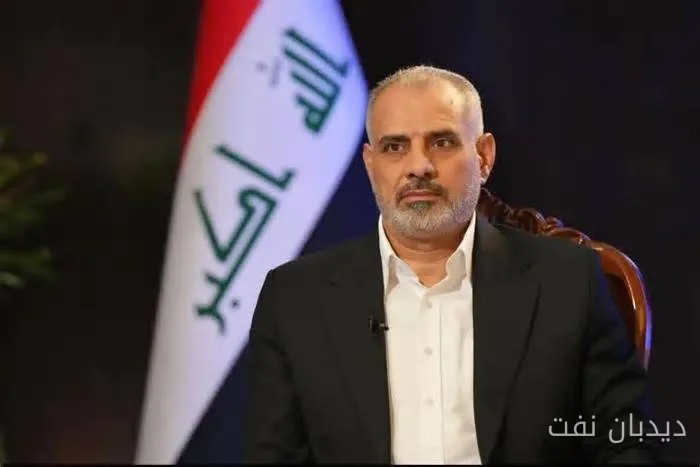
Adnan Faihan Al-Dulaimi, the First Deputy Speaker of the Iraqi Parliament, in a strong criticism of the ban on Iranian aircraft flights at Iraqi airports, described this decision as "hasty and unprofessional." Al-Dulaimi emphasized that Iraq's decisions should be based on national interests and constitutional obligations, stating: "Unilateral sanctions by the United States cannot be cited as an international commitment of Iraq and are not sufficient to justify actions against Iran."
Consequences of the Flight Ban
Al-Dulaimi further stated that any anti-Iranian action must be based on an Iraqi legal document or a valid international commitment. He also pointed out the negative repercussions of this ban on the movement of Iranian and Iraqi pilgrims, saying: "This action will affect the movement of hundreds of thousands of pilgrims, especially at Baghdad and Najaf airports."
Warning About Energy Dependency
The First Deputy Speaker of the Iraqi Parliament, referring to the country's dependency on Iranian gas, stressed that the Iraqi government must explain what scenario it has in mind to manage this crisis if natural gas exports from Iran are halted. He warned that cutting off Iranian gas could lead to a loss of 30 to 40 percent of the operational capacity of Iraq's national electricity grid.
Al-Dulaimi finally noted that stopping gas imports from Iran would result in increased electricity blackout hours and paralysis of public services such as hospitals and water supply stations.
The Iraqi Civil Aviation Authority announced on Friday, October 3, that the sale of tickets for flights to Iraq, especially Najaf Ashraf, would be suspended until further notice. The authority emphasized that tickets for the suspended flights would be refunded without penalty. However, such decisions have been communicated to airlines following the suspension of flights to Najaf Ashraf since Friday morning, and the display and sale of tickets for this route will be halted until further notice.



