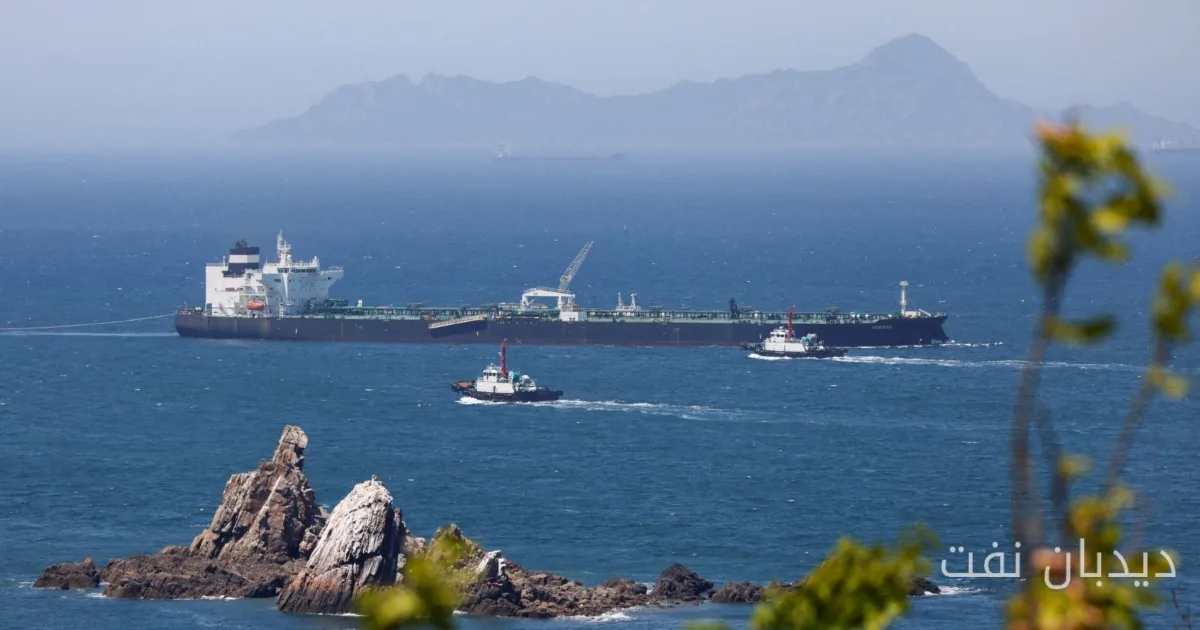
South Korea is examining potential options for deploying forces to the Strait of Hormuz, including sending a maritime patrol aircraft. The country's National Security Advisor, Suh Hoon, raised this issue in a meeting with a parliamentary committee and emphasized that discussions with the United States regarding possible actions are ongoing.
Historical context of the requests
The request for deploying forces to the Strait of Hormuz began on March 18 of last year. At that time, Donald Trump, the then-President of the United States, asked countries including Britain, China, France, Japan, and South Korea to send warships to the region. A few days later, Trump announced on social media that he no longer needed assistance from these countries.
Read more: Russian fishing fleet's surveillance of underwater cables off the coast of Britain
In August of this year, Trump announced the cancellation of joint military exercises between the United States and South Korea, citing South Korea's refusal to cooperate in the war as one of the reasons for this decision. However, the South Korean presidential office announced on September 4 that it is considering participation in ensuring the freedom of navigation in the Strait of Hormuz, provided that this action does not affect the country's military readiness.
Details of force deployment and assessments
Any deployment of forces to the Strait of Hormuz requires approval from the National Security Council, a resolution from the Cabinet, and consent from the National Assembly. On September 9, the South Korean Ministry of Defense announced the deployment of an assessment team to the United Arab Emirates and emphasized that sending this team does not mean a decision to establish military presence.
This team consisted of officials from the Ministry of Defense and the Ministry of Foreign Affairs and returned from Abu Dhabi on September 10. The purpose of this trip was to assess the security and operational situation around the Strait of Hormuz, key military bases, ports, and support. The findings of this team were presented to the National Security Council.
According to published information, the options proposed for force deployment were primarily non-combat and included the P-8A maritime patrol aircraft, a logistics support ship, and explosive ordnance disposal teams. The logistics ship was excluded from the plan due to the need for more than 100 sailors.
On September 18, Lee Jae-myung, the President of South Korea, rejected the deployment of combat forces to the Strait of Hormuz but stated that other options remain open.
South Korea's energy dependence on the Strait of Hormuz is considered one of the key factors in these decision-making processes. Last year, the country sourced 61% of its crude oil imports and 54% of its naphtha imports through the Strait of Hormuz.
Read more: Fire on a tanker in Iraq's economic zone · Brent oil price drops to $114.70 amid Middle East developments