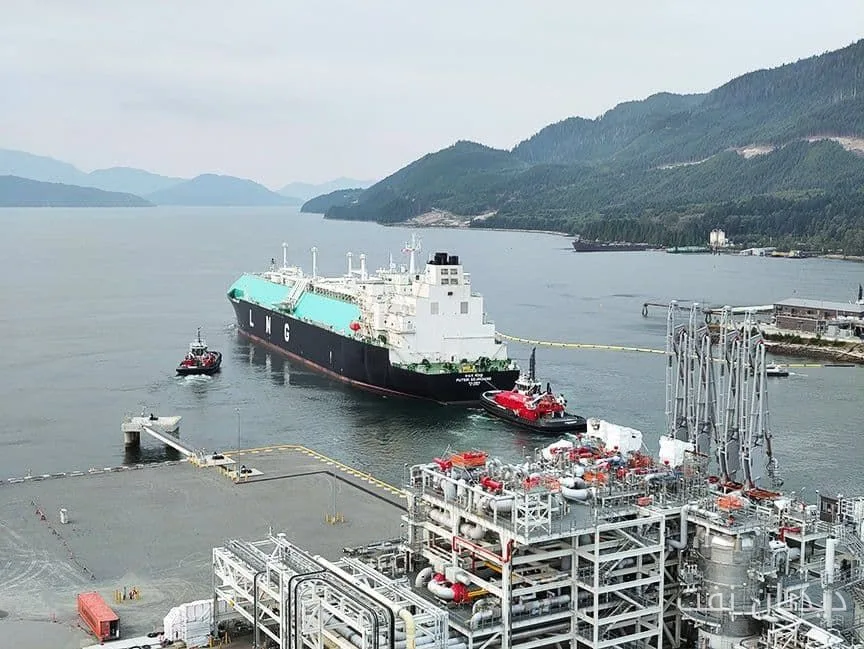
Shell Canada Energy, a subsidiary of the UK-based Shell Energy, has confirmed the final investment decision (FID) for the second phase of the liquefied natural gas (LNG) project on the west coast of Canada. This multi-billion dollar expansion includes the addition of two new processing units and increased storage in British Columbia.
Details of the LNG Project Expansion
The second phase of the LNG project in Kitimat, British Columbia, will increase production capacity from 14 million tons per year to 28 million tons per year. The project includes the construction of two LNG processing units known as "trains" and also increases the capacity of the Coastal GasLink pipeline through the construction of five new compressor stations.
Read more: Omid Shakeri: Petrochemicals are Facing Tougher Conditions
Shell's Strategic Goals
Cedric Cremers, President of Shell’s Integrated Gas division, stated: "The LNG project in Canada is a core part of our integrated gas portfolio and helps provide LNG to Asian customers at a time when diversity in energy supply and energy security has become increasingly important." The second phase of this project supports Shell's strategic goals to become the leading integrated gas and LNG business in the world.
Shell holds a 40% stake in the LNG project in Canada and is expected to receive about 6 million tons of additional LNG per year when commercial operations begin in the early 2030s. This investment could potentially generate a dual return and contribute to sustainable long-term cash flow growth.
Global LNG Demand Trends
The facilities in Kitimat are designed to supply competitive and low-cost gas to Asian markets, where demand for LNG is significantly increasing. According to Shell's forecasts, global LNG demand is expected to rise by about 60% by 2040 and by 65% by 2050. This trend indicates the need for additional investment in LNG liquefaction facilities in the 2030s and 2040s.
Shell has stated that the greenhouse gas (GHG) emissions intensity from electricity generation using LNG is, on average, about 40% lower than that from coal-fired electricity generation. This information is based on statistics from the International Energy Agency (IEA).
Read more: Establishment of a Joint Venture Mermeid Subsea in Nigeria with Total Energies · Increase in LNG Imports to Europe Following the Hormuz Strait Crisis



