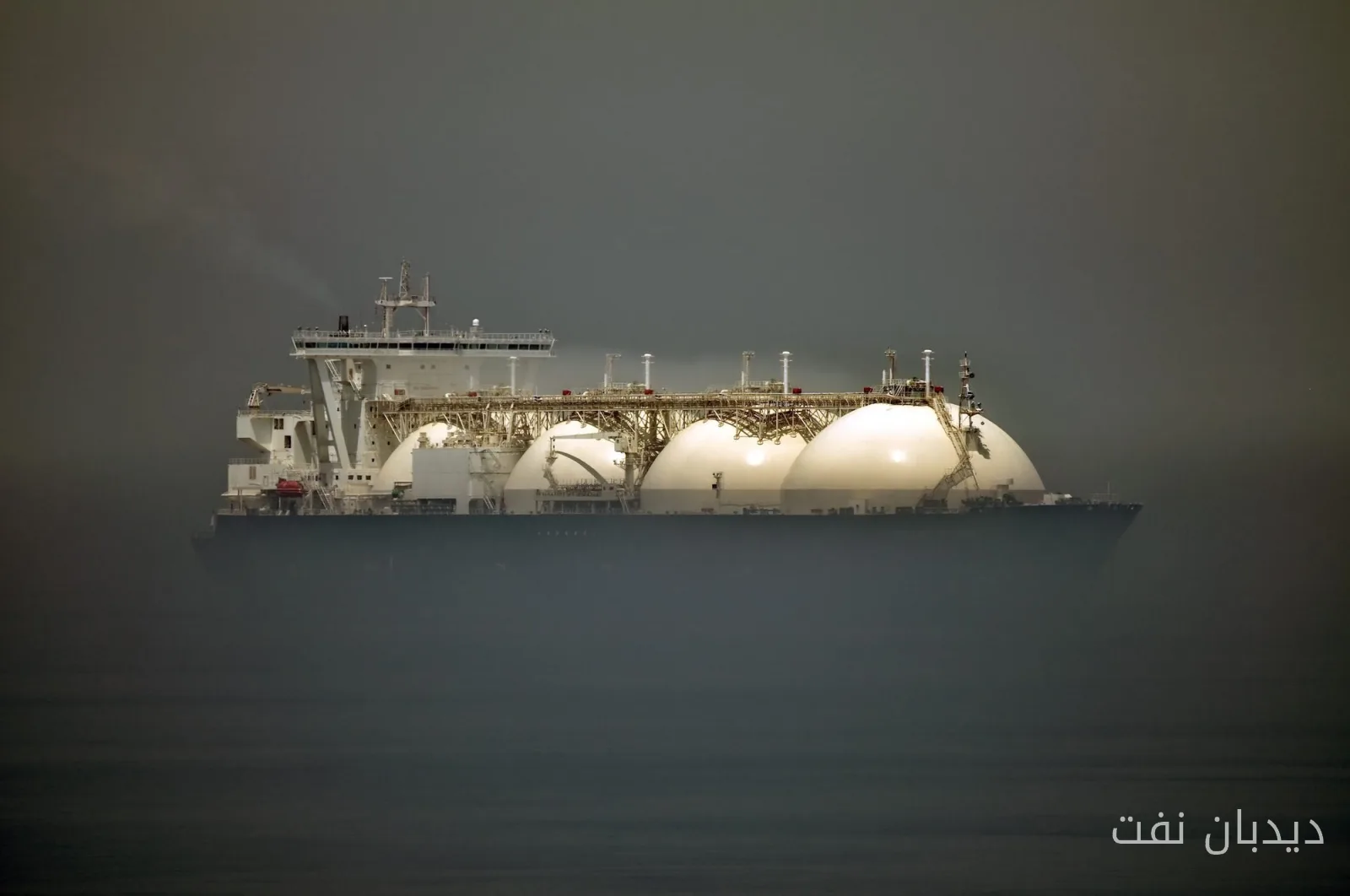
Imports of liquefied natural gas (LNG) to Europe are increasing, especially with the approach of winter in the Northern Hemisphere. Persistent disruptions in gas flows through the Hormuz Strait have intensified global competition for this fuel. Despite a 4% decrease in deliveries to the European Union and the UK compared to last year, imports have increased since early August.
Changes in Import Patterns
According to ship tracking data, LNG imports in early August were down 30% compared to last year. However, this trend is changing, and Europe is expected to absorb about a quarter of global LNG supplies in September, while this figure was less than 19% in July. These changes are driven by attractive prices for American LNG in the European market, which, due to price differentials with Asia, is directing atmospheric vessels to this region.
Read more: Tahmoures Lahouti Ashkouri: Solutions for Compensating Energy Imbalance in Winter
Intense Competition for LNG Supply
The ongoing shortage of LNG from the Persian Gulf, which supplied about one-fifth of global supply before the Iran war, has driven prices to their highest levels since late 2022. This situation means increased competition between Europe and Asia, which have the largest global buyers, for the same flexible resources from the United States and other regions. One of Europe's main competitors is India, which has seen a surge in LNG demand recently.
According to Kpler, India's LNG imports are expected to increase by 10% in September compared to last year. Indian buyers continue to purchase spot cargoes even at prices above their usual purchasing thresholds.
In light of recent developments, Europe has increased LNG imports since 2022 to fill reserves and meet higher demand during the winter season. This move follows Russia's attack on Ukraine and the need to replace gas supplies from Moscow.
Meanwhile, military tensions in the Hormuz Strait, including the attack of an Iranian cruise missile on a ship that injured eight U.S. Navy personnel, remain a concerning factor in these equations. Two large oil tankers linked to Iran, which were seized by U.S. naval forces early in the war, are only weeks away from reaching the United States, where officials have announced plans to confiscate these vessels and the millions of dollars worth of crude oil they carry.
Overall, recent developments in the Hormuz Strait and the increasing demand for LNG in Europe and India indicate significant changes in the global energy market and have created escalating competition among various buyers for this vital resource.
Read more: Iran National Gas Company Energy and Carbon Manager Announces Plan to Reduce Consumption by One Billion Cubic Meters · Seizure of American Underwater Vehicle in the Hormuz Strait and Its Impact on the Oil Market