Seyed Mohammad Taghi Raisolsadat has examined the dimensions of maritime and air sanctions against Iran and emphasized that these sanctions affect not only Iran but also the global economy and neighboring countries. He pointed to the strategic role of the Strait of Hormuz in the transfer of oil and gas and analyzed the effects of the imposed restrictions.
Maritime Sanctions and Their Effects
Raisolsadat mentioned in his interview that maritime restrictions emerged after the 40-day war and in response to the closure of the Strait of Hormuz as a retaliatory measure by the United States and its allies. These sanctions were aimed at reducing the pressure resulting from the closure of the Strait of Hormuz. However, he stated that these actions have not been able to exert significant pressure on Iran in practice and have only created restrictions at specific times.
Read more: Suspension of Iranian Flights to Iraq Harms Tourism and Medical Treatment
The Geographical Role of Iran and Alternative Routes
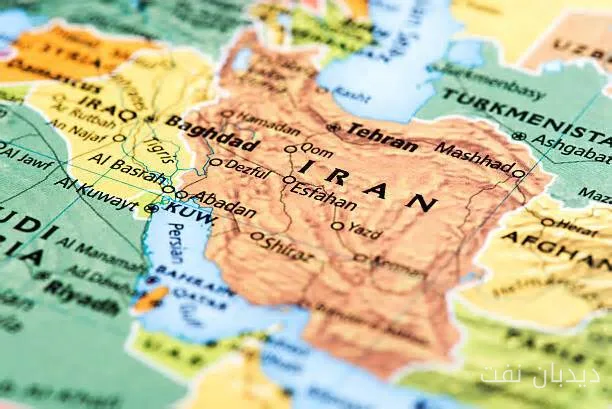
Raisolsadat emphasized that Iran's geographical and geopolitical position has allowed the country to activate part of its land borders over the past few months and continue the import and export of goods through alternative routes. He pointed to the role of neighboring countries, especially Pakistan and Turkey, in this regard and said that these countries have tried to take advantage of the created conditions to develop their transit capacities.
He also mentioned the importance of the Strait of Hormuz and said that the reduction of energy shipments through this route affects not only Iran but also energy-exporting and importing countries and the global economy. Before the escalation of these conditions, about 21 million barrels of oil were exported from this region daily, but after the closure of the Strait of Hormuz, this figure dropped to about five million barrels.
Raisolsadat further referred to China's need to continue energy imports and stated that restrictions in the Strait of Hormuz could have consequences beyond the regional countries. He added: "Despite having oil reserves, China remains dependent on imports to meet its needs, and it is important for this country that the process of oil imports continues uninterrupted."
In conclusion, Raisolsadat emphasized that given the strategic competition between China and the United States, pressure on the West Asia region and Iran has taken on broader dimensions, and limiting oil trade could impact this process.
Read more: Coordination and Leadership Council Conference in Iran with the Presence of Activists from the Women, Life, Freedom Movement · Joseph Maikot's Prediction of Energy Market Changes Following Iran's Conflicts