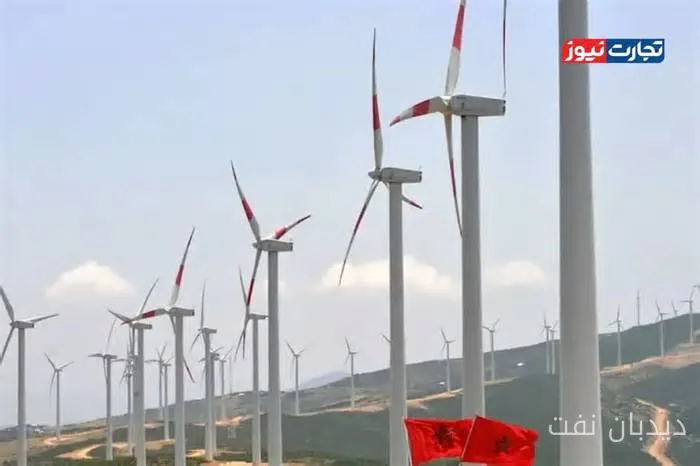
Continued disruption in the supply of oil and gas due to military conflict in Iran could have profound impacts on the global energy market. In this situation, various countries are seeking to adopt new measures to reduce dependence on fossil fuels and increase the use of renewable energy.
Growing Concerns About Energy Supply Security
With increasing concerns about the security of fossil fuel supplies, governments are looking for more long-term policies to reduce oil and gas consumption. Short-term measures such as providing subsidies and tax exemptions, along with the development of renewable energy and increased use of electric vehicles, have become primary options for countries. Joseph Maikout, the director of the Energy Security and Climate Change Program at the Center for Strategic and International Studies, has noted the growing willingness of countries to expand the use of electric vehicles.
Read more: U.S. President's Order to Ban Diesel Exports
Impact of Energy Crises on Consumption Structure
Research shows that energy crises can not only create short-term pressures on the oil and gas market but also influence governments' long-term decision-making regarding the structure of energy consumption. The share of fossil fuels will remain significant until 2060, but this trend could lead to major changes in energy policies.
In this context, more countries have been seeking ways to reduce dependence on fossil fuels and develop renewable energy in recent months. These developments indicate a movement that could change the energy market in the not-so-distant future and steer countries towards more sustainable policies.
Read more: Providing Alternative Fuel as a Prerequisite for Fars Industries' Activities in the Cold Season · Increase of Russian-flagged Tanker Fleet to 382 Vessels