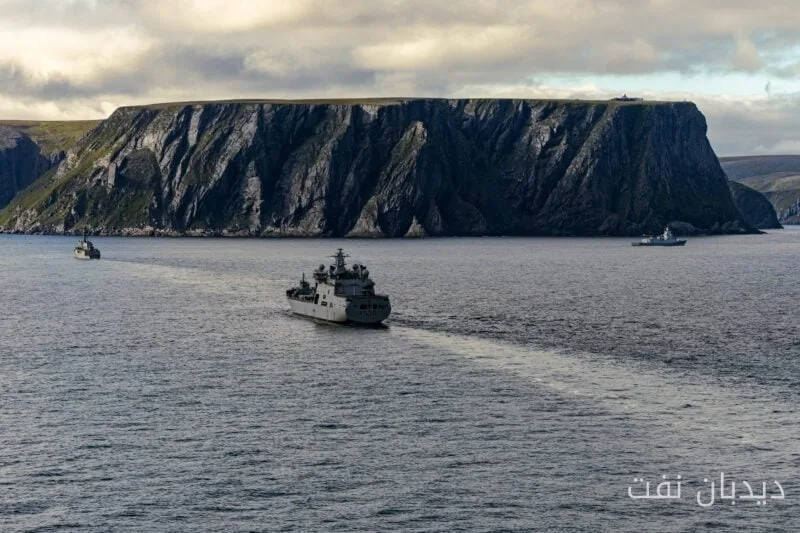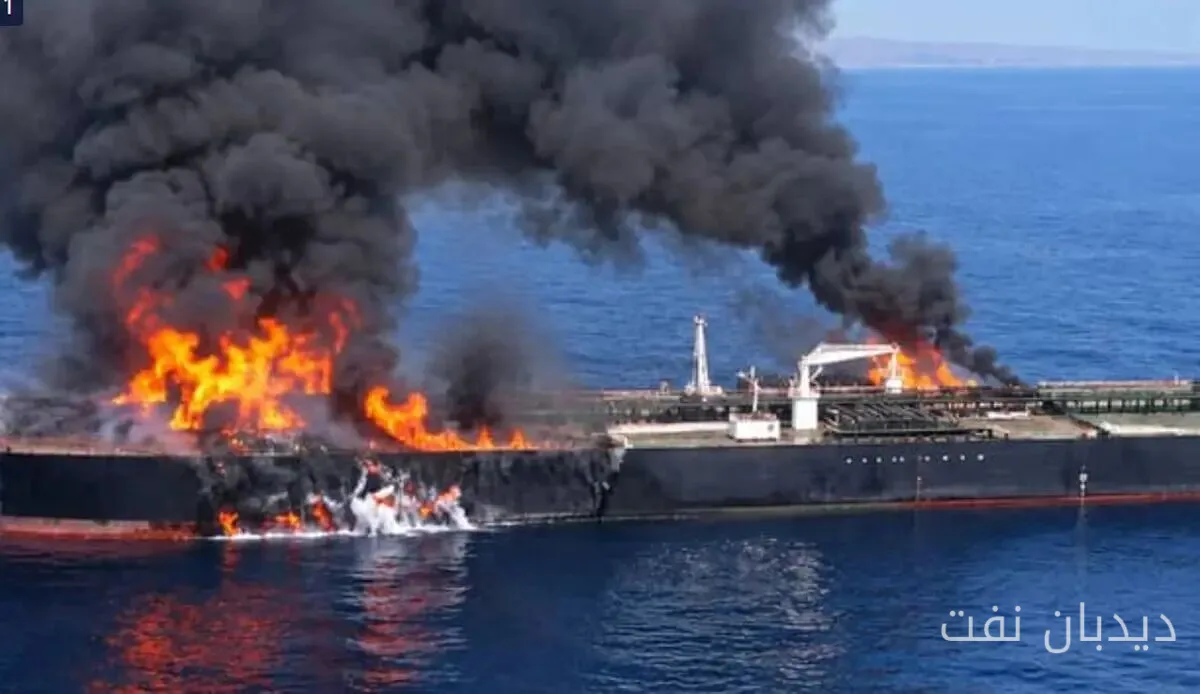
Iranian oil tankers faced new sanctions on October 15, 2023, in the path of crude oil exports. These sanctions, which are part of efforts to limit Iran's oil exports, will have deep and widespread impacts on the economic and commercial activities of this country.
Details of the Sanctions
The recent sanctions specifically target the oil tankers used for transporting Iran's crude oil to global markets. This action comes at a time when Iran is seeking to increase its oil exports to meet domestic economic needs and reduce the pressure of sanctions.
Economic Consequences
These sanctions could significantly impact Iran's oil revenues, thereby increasing the economic costs for the country. Additionally, these sanctions may lead to reduced access for Iran to global markets and an increase in oil prices in international markets. In this situation, Iran must seek ways to circumvent these sanctions, which may lead to increased informal activities and oil smuggling.
On the other hand, these sanctions could lead to changes in trade patterns and oil transportation routes in the region. Other countries and oil companies may seek opportunities to exploit this new landscape, while Iran must adopt new strategies to maintain and expand its oil exports.
The Role of the International Community
The international community must also closely monitor recent developments. These sanctions may escalate tensions in the region and affect efforts to prevent the spread of insecurity and instability in the Middle East. Furthermore, these sanctions could lead to major changes in the energy policies of neighboring countries and Iran's competitors.
Overall, the new sanctions against Iranian oil tankers on October 15, 2023, are a sign of the significant challenges facing Iran's oil industry, which may have profound implications at both domestic and international levels.
Read more: Implementation of the fuel card coding plan in South Khorasan · Attack on the LOUISE 1 oil tanker with sticky mines in the Strait of Hormuz