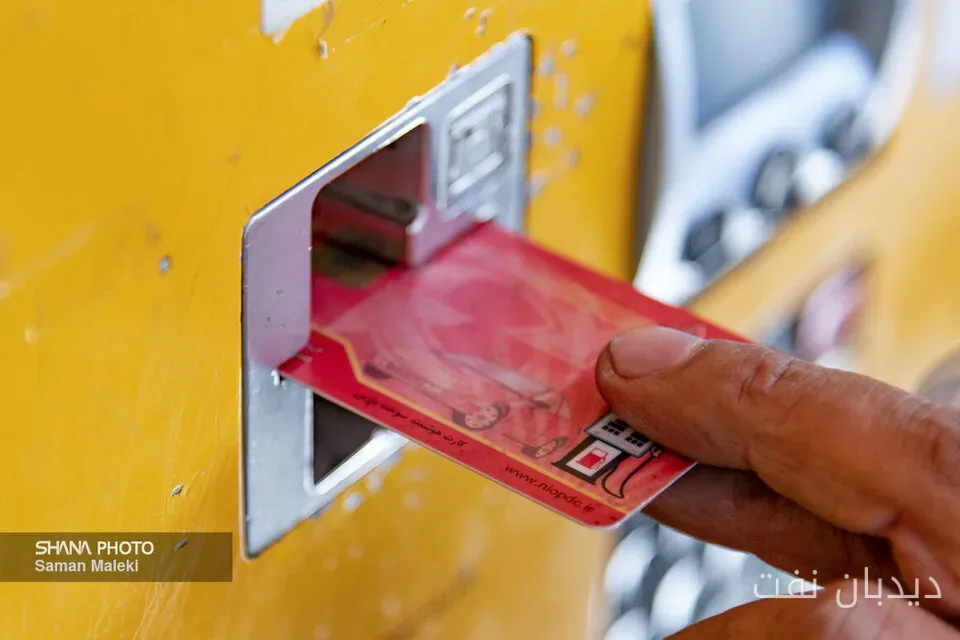
The National Oil Products Distribution Company in Ahvaz announced the collection of emergency (free) fuel cards located at fuel supply stations starting from the beginning of December this year. This decision was made to organize the supply of oil products and to require the use of dedicated fuel cards. From December 1, 2026, the emergency cards at the stations will be collected.
Details of the notification to executive agencies
In a letter sent to the directors and supervisors of executive agencies, organizations, institutions, and public and state companies in the province, these agencies have been requested to urgently inform their departments, affiliated offices, and county units about the matter. Additionally, they are required to urgently investigate and identify administrative, service, and mission vehicles that lack fuel cards.
Relevant agencies are obligated to take legal action as soon as possible to register and follow up on requests for the issuance of duplicate fuel cards. This action is intended to prevent disruption or halt in executive operations and organizational missions.
Necessary actions before the beginning of December
According to the provisions of this letter, executive agencies and citizens must fully check the status of their vehicle fuel cards and take action to rectify any potential deficiencies before the beginning of December. Citizens have also been asked to carry their personal fuel cards for refueling, and those who are without a fuel card for any reason or whose card has been lost are urged to promptly apply for the issuance of a duplicate card to avoid issues in fuel supply and daily refueling.
It is noteworthy that following the removal of emergency fuel cards at stations, 50 liters of gasoline at the third rate equivalent to 10,000 tomans per liter will be added to the personal fuel cards of vehicles. This action comes at a time when many experts believe that eliminating free cards and replacing them with personal quotas is an effective step in preventing fuel smuggling and better organizing the distribution of oil products in the province.
Supervisory agencies will also oversee the implementation of this plan and the full readiness of fuel stations to serve citizens.