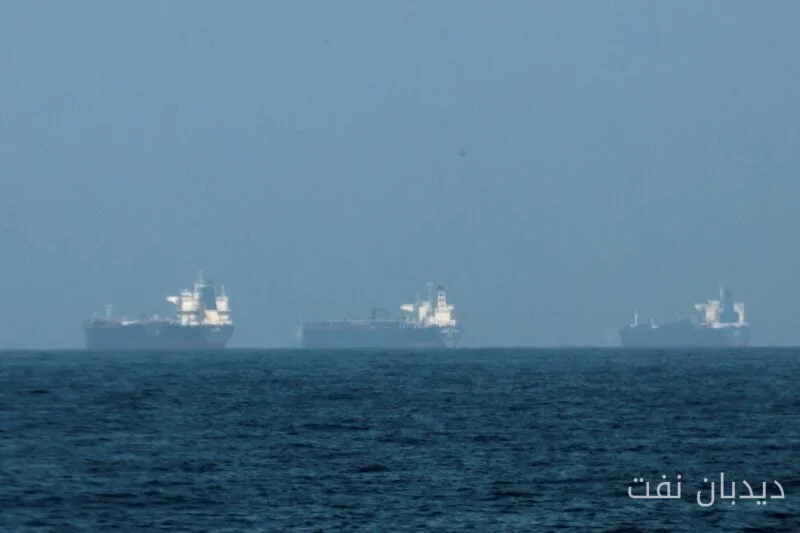
Oil exports from the Middle East have reached 17.5 million barrels per day, which is equivalent to 98 percent of pre-war levels. This information comes from separate estimates by JPMorgan Chase & Co. and Goldman Sachs Group Inc.
Return to Previous Levels
According to analytical notes from JPMorgan, oil flows in the region have significantly revived despite the ongoing war situation. Analysts at the bank, including Natasha Kaniva, have noted that this return is a significant step for a region still engaged in conflict. Alongside this, flows of petroleum products such as diesel and gasoline have also increased to 3 million barrels per day, equivalent to 58 percent of previous levels.
Read more: Shell Canada Confirms LNG Project by Doubling Capacity
Impact of War and Transportation Security
The global oil market is closely monitoring the volumes of oil and products exiting the Middle East. This comes as the conflict between the United States and Iran enters its eighth month. Nevertheless, Saudi Arabia has managed to restore about half of its east-to-west pipeline flows connected to Red Sea ports after damage earlier this month. Flows from the Strait of Hormuz have reached nearly 13 million barrels per day, primarily driven by Saudi Arabia.
Increase in Exports from Other Gulf Producers
Analysts at Goldman Sachs have also reported that oil exports from the Gulf, including clandestine flows, reached 23.3 million barrels per day last week, equivalent to the average for 2025. This situation indicates an increase in exports from other Gulf producers, particularly Saudi Arabia, which saw its exports more than double in September.
Oil Price Outlook
Despite the increase in shipment volumes, the Brent crude oil benchmark price is on track to record its third monthly increase in September, rising by about 14 percent. In this context, the price of oil for delivery in November has also increased by 0.8 percent, reaching $103.43 per barrel. Analysts at Goldman Sachs have expressed concern that the increase in Gulf exports may be affected by the risks of renewed conflict and damage to energy infrastructure.
Increase in LNG Traffic
Qatar has also increased its liquefied natural gas tanker traffic through the Strait of Hormuz to the highest level in over two months, indicating the country's growing confidence in transporting through this waterway. At least two LNG shipments have passed through the Strait of Hormuz this week, as producers strive to boost flows to a market facing supply shortages and rising prices.
Read more: Aker Solutions' Multi-Year Contract with BP in the North Sea · The Exit of Tankers from Iran to Global Markets Has Increased



