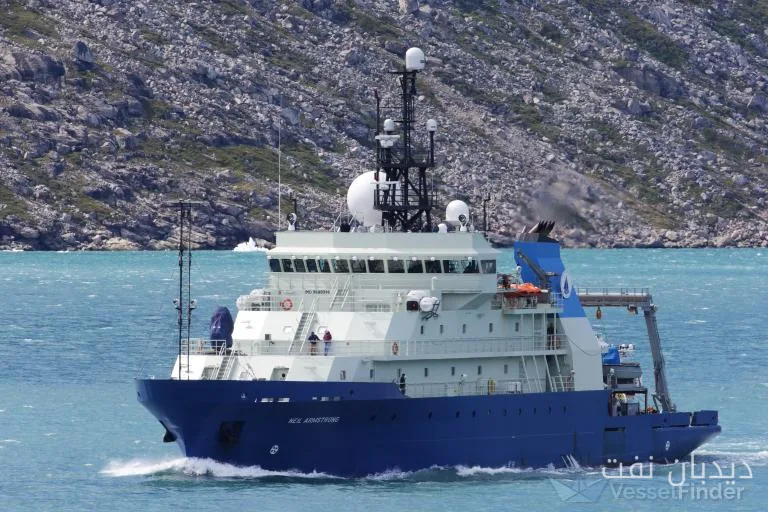
The research vessel Neil Armstrong is departing from its home port in Woods Hole, Massachusetts, on October 28, 2023, heading to Duluth, Minnesota, to travel to the Great Lakes for the first time. This 2,500 nautical mile journey is part of a scientific mission to support the Neutrino Laboratory (END), which aims to detect neutrino particles in Lake Superior.
Challenges of Traveling to the Great Lakes
The Neil Armstrong, which typically operates in open oceans, must navigate rivers, locks, and inland waterways, each with its own rules and hazards. This journey requires careful planning to ensure the safety of the vessel and crew. Captain Kent Sheasley described this journey as a unique challenge, stating, "The conditions of this trip include changes in buoyancy when transitioning from saltwater to freshwater, precise maneuvering in rivers and narrow locks, and the weather conditions of the Midwest."
Read more: Development of greenhouse gas reporting frameworks in the maritime industry by JIWG
Mission Details and Equipment
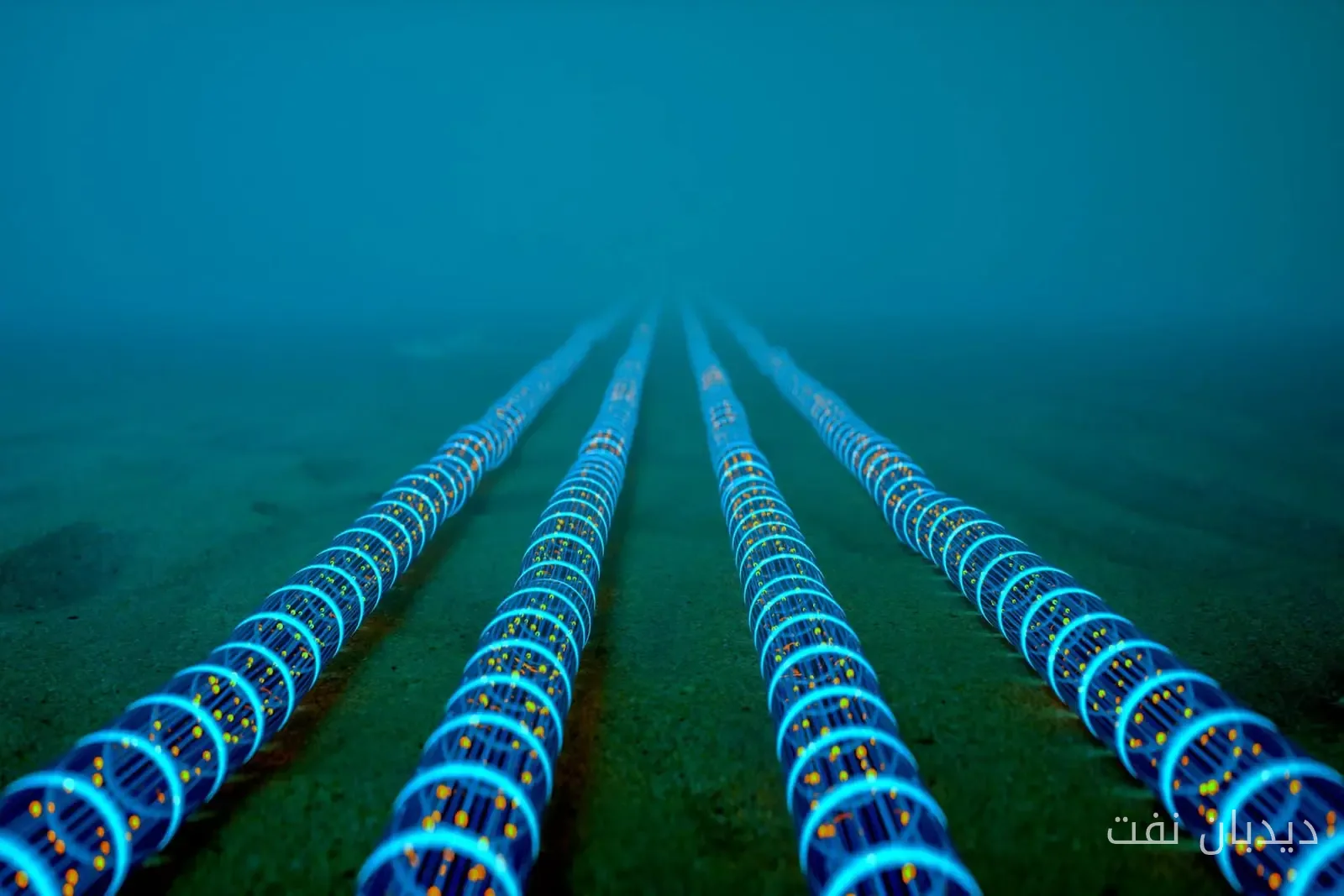
Neil Armstrong is capable of carrying 24 scientists and 20 crew members and is expected to deploy five underwater instrument arrays and fiber optic cables in Lake Superior. After arriving in Duluth, the crew will transport the equipment to a location a few miles from Two Harbors, Minnesota, and will place each instrument array on the lakebed. Each of these instrument arrays is approximately 30 feet tall and weighs around 8,000 pounds. The WHOI operations and engineering team, responsible for constructing these instrument arrays, believes that transporting them is only part of the job, and each device must be carefully positioned correctly.
Neutrinos are subatomic particles that pass through ordinary matter almost without interaction, making them extremely difficult to detect. Physicists study these particles to uncover answers to fundamental questions about the universe, including why the universe has more matter than antimatter. This study is conducted under the supervision of the University of Minnesota in Duluth and with support from federal agencies.
Neil Armstrong operates under the management of WHOI as part of the National-University Oceanographic Laboratory System (UNOLS). This vessel was delivered to the United States Navy in 2015 and is recognized as one of the contemporary research vessels with high capabilities.
Read more: Seaway7 completed the installation of internal cables at the East Anglia Three wind farm