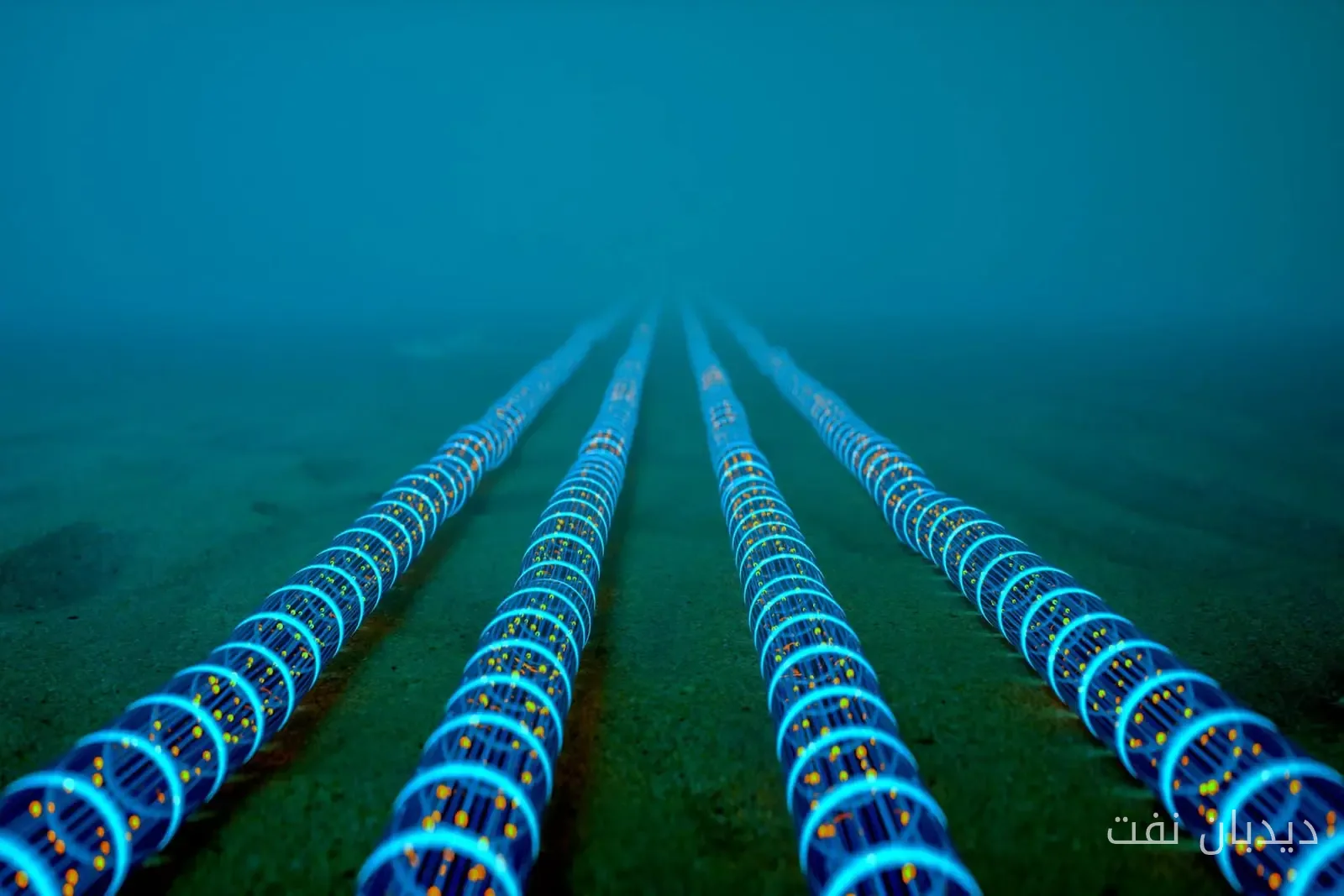
The closure of the Strait of Hormuz as a vital oil transport route will have significant effects on the energy market. However, studies show that this event will not impact global internet. The world's internet relies on a network of fiber optic cables located on the seabed, and the Strait of Hormuz is not considered a lifeline for the internet.
The Importance of Submarine Cables
Many communication routes between Asia and Europe pass through the Red Sea, Bab-el-Mandeb, and Egypt, and these areas are more important for digital communications. The fiber optic cables located on these routes serve as key infrastructure for the internet. At the same time, damage to the cables related to the Gulf could disrupt communications for neighboring countries such as Bahrain, Qatar, and Kuwait.
Read more: Seaway7 Completes Installation of Internal Cables at East Anglia Three Wind Farm
Potential Consequences of War in the Region
Although the Strait of Hormuz is known as an oil lifeline, its closure could affect the digital communications of neighboring countries. In the event of military tensions and damage to submarine cables in the Gulf, communication costs for countries in the region will increase, which could lead to serious problems in digital communications. Specifically, Bahrain, Qatar, and Kuwait have been identified as the most vulnerable countries in this regard.
Ultimately, the fact that the Strait of Hormuz is not recognized as a lifeline for the global internet reflects the complexities of global communication infrastructures. While conflict around this strait could lead to serious tensions, the world's internet relies on other important routes and submarine cables located in different parts of the world.
Read more: Launch of Regular Bioethanol Refueling Operations at the Port of Santos, Brazil · Panamanian Oil Tanker Luis 1 Attacked in the Strait of Hormuz