The Gabd-Rimdan border crossing between Iran and Pakistan reopened on Saturday, October 21, 2023, after a week of halted commercial activities. This action, despite hopes for a full return to border trade, does not signify a normalization of trade conditions.
Current Status of Border Trade
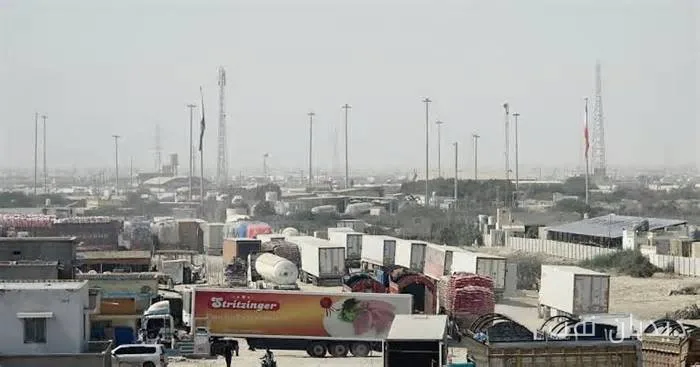
Commercial activities at this crossing have resumed after a one-week halt, but border officials have only allowed the passage of shipments with transport documents dated October 16 or earlier. Local traders report that restrictions on the import of liquefied gas from Iran still exist. Currently, only a limited number of cargo vehicles have been cleared, and hundreds of vehicles, including tankers carrying liquefied gas, remain in a state of uncertainty.
Read more: Management Change at 2020 Bulkers with the Appointment of Tom Babinski as CEO
Consequences of Restrictions on the Pakistani Market
Liquefied gas is one of the most important traded items through the Rimdan crossing, and a significant portion of Pakistan's fuel needs is supplied through this route. Continued restrictions on the entry of liquefied gas shipments could have a significant impact on the supply and price of this fuel in the Pakistani market. Previously, traders and energy sector stakeholders in Pakistan had warned about rising prices and worsening shortages of liquefied gas following the halt of border trade.
Reasons for Trade Suspension and Security Issues
The Gabd-Rimdan crossing, also known as Gate 250, has faced restrictions since October 17 due to the decision of Pakistan's Ministry of Commerce to suspend trade through this route and the Taftan crossing with Iran. Pakistani officials have cited security issues and combating smuggling as reasons for this decision. Meanwhile, the Iranian Foreign Ministry has mentioned technical problems and negotiations to resolve the issue.
While trade was suspended, unidentified armed individuals attacked cargo vehicles stopped near the crossing, setting dozens of trucks on fire, which has raised concerns about security in this border area. This situation could affect future trade interactions as well as road security.
Read more: CEO of Khuzestan Steel Company: The European Gas Crisis Affects the Steel Industry · Increased Traffic of Shadow Fleet on the Northern Sea Route Due to Arctic Safety Concerns