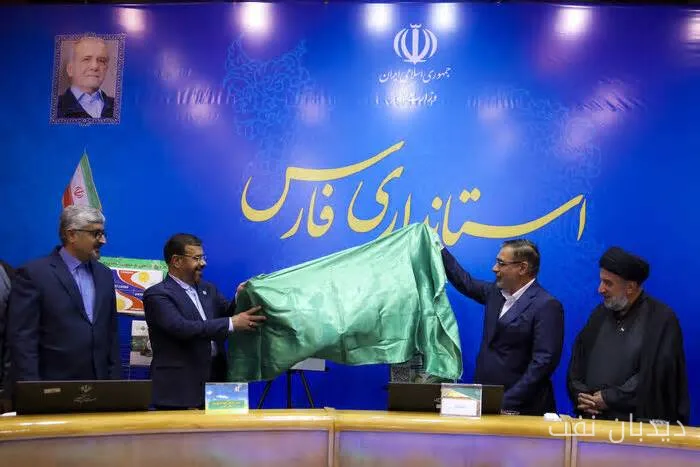
A memorandum of strategic cooperation was signed between the Electricity and Energy Department of the Ministry of Energy and the Iranian Electricity Industry Syndicate to strengthen specialized cooperation and expedite the removal of barriers to production and investment. This memorandum was signed during the meeting of the Strategic Commission of the Iranian Electricity Industry Syndicate, attended by Mostafa Rajabi Mashhadi, Deputy Minister of Electricity and Energy, and members of the Syndicate's board of directors.
The Necessity of Government and Private Sector Interaction
Mostafa Rajabi Mashhadi emphasized the necessity of continuous interaction between the government and specialized organizations during this meeting, stating that the government and the private sector have reached a mutual understanding of the fundamental challenges in the electricity industry, especially regarding bilateral contracts, supply chains, and pricing systems. He also pointed out the importance of utilizing the technical, operational, and investment capacities of the private sector to advance developmental programs and added that decision-making in this area should involve the effective participation of industry stakeholders.
Challenges of Imbalance in the Electricity Industry
Rajabi Mashhadi, appreciating the development of the Syndicate's specialized roadmap, stated that a significant part of the imbalances and chronic issues in the electricity industry stems from the gap between the cost of electricity supply and the revenue generated from its sale. He emphasized that a gradual reform of this structure and targeted support for vulnerable groups are essential for sustainably resolving issues. The Syndicate's roadmap can serve as a basis for setting priorities and organizing joint programs.
The Deputy Minister of Energy also referred to the executive requirements of the seventh development plan, stating that achieving the goals of this plan requires a balance between the specified obligations, financial resources, and the country's operational capacities. He proposed a two-year extension of the program's implementation period as one of the expert options and emphasized the importance of examining these options to enhance the effectiveness of the planning system.
Rajabi Mashhadi further discussed the Ministry of Energy's proposals for the budget bill for the year 1406, noting that these proposals have been organized into ten strategic axes. Renovation and increasing the efficiency of thermal power plants and developing the electricity transmission network are among the most important of these strategic axes.
Strengthening Competitive Mechanisms in Electricity Supply
The Deputy Minister of Electricity and Energy considered the development of competitive and transparent electricity supply mechanisms as requiring the strengthening of effective demand and regulatory predictability. He set a target for increasing the capacity of the country's solar power plants to 12,000 megawatts and emphasized that the trading mechanism in the green electricity market must enable the sale of electricity and timely collection of producers' claims. Rajabi Mashhadi also pointed out the instability of revenues and ambiguity in regulations as factors that increase investment risk.
He concluded by emphasizing the need for targeted government support, stating that the continuous reliance of large industries on subsidized electricity should transform into their active participation in electricity supply. Purchasing electricity from the energy exchange, signing bilateral contracts, and investing in self-sufficient power plants are pathways for supplying electricity to industries within the framework of laws and regulations. The development of these mechanisms, along with demand management and improving energy efficiency, can help reduce pressure on the grid and increase the sustainability of industrial production.
At the end of the meeting, the board of directors of the Iranian Electricity Industry Syndicate awarded a certificate of appreciation to Mostafa Rajabi Mashhadi, Deputy Minister of Electricity and Energy, recognizing his efforts and services during his tenure as the spokesperson for the electricity industry and valuing his professional commitment and dedication to transparent communication.