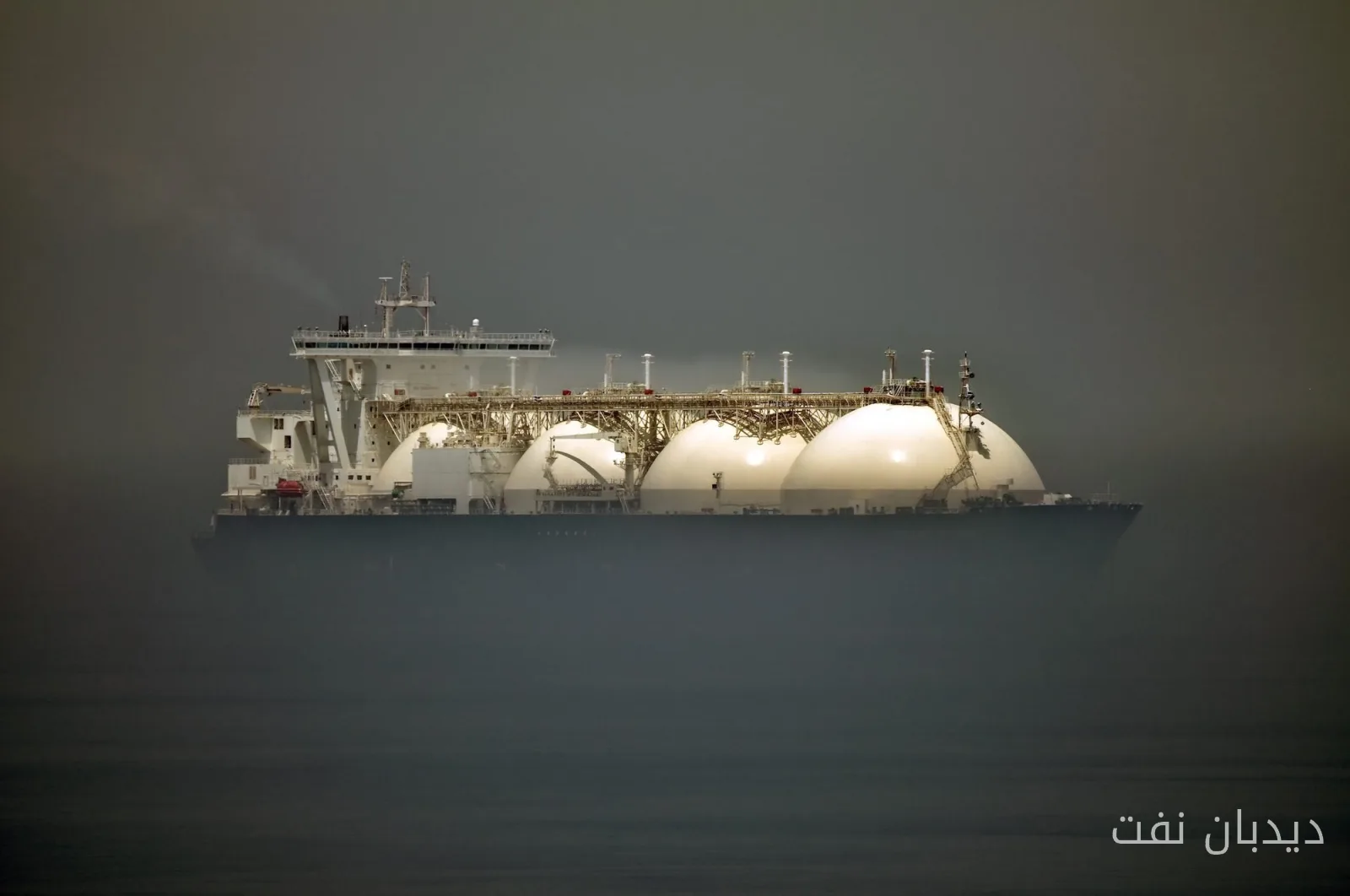
Qatar Energy has recently signed a long-term contract for 20 years to purchase 3 million tons of liquefied natural gas (LNG) per year from Woodside Energy facilities in Louisiana. This decision follows similar agreements with Cheniere Energy to supply up to 4 million tons per year from the Sabine Pass and Corpus Christi plants until 2054.
Date and Start of Delivery
Deliveries under these contracts will begin in 2030 and 2031, making Qatar the largest buyer of U.S. LNG. Qatar Energy's CEO, Saad Al-Kaabi, has stated that he expects to sign more supply agreements with American producers and other countries by the end of this year.
Read more: Shell Australia Receives $1.45 Billion for Selling Its Stake in the Gas and LNG Project
Impact of Tensions in the Persian Gulf
These contracts reflect Qatar's growing concerns about the instabilities in the Persian Gulf and their impact on the country's development plans. Before the onset of the Iran-U.S. war on February 28, Qatar Energy was expanding its international activities and investing in LNG projects in North America and Africa. However, recent agreements indicate a shift in Qatar's strategy to safeguard against potential disruptions in its exports.
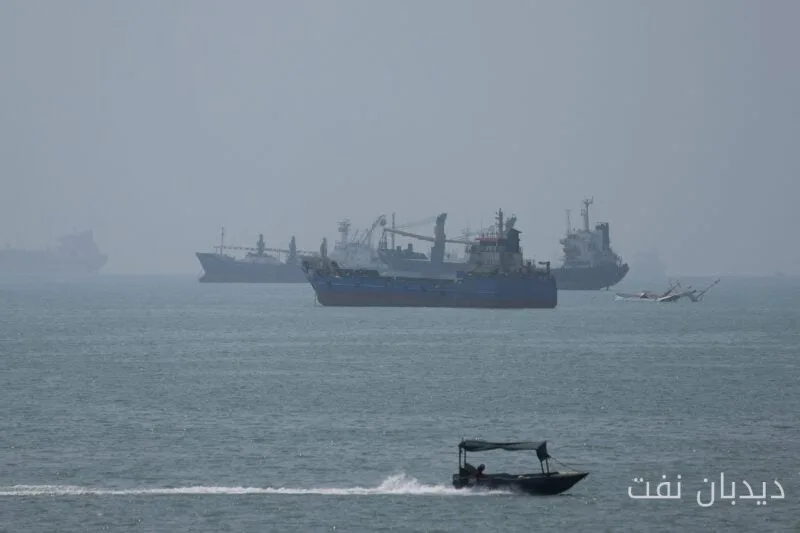
Currently, Qatar faces additional challenges. Unlike its neighbors, this small Gulf country has no other reliable route for LNG exports besides the Strait of Hormuz. The country's LNG industry is entirely concentrated in the large Ras Laffan facilities, where gas from the North Field is processed and sent to customers around the world.
Economic Consequences
Last March, Iran's missile attack on two of Qatar Energy's 14 LNG units in Ras Laffan destroyed about 17% of the country's export capacity. This incident had serious impacts on revenues, leading Qatar Energy to predict that this disruption would result in approximately $20 billion in annual losses.
Developing new export infrastructure requires significant investments in pipelines and liquefaction capacity. Even then, building new energy facilities could pose additional risks. Therefore, instead of constructing domestic infrastructure, Qatar's strategy has shifted towards geographical diversification.
Current challenges come at a time when Qatar is beginning its largest growth plans in recent decades. The International Energy Agency has predicted that approximately 300 billion cubic meters of new LNG export capacity will come online globally between 2025 and 2030, with more than half of this new capacity coming from the United States.
As Qatar seeks to double its LNG production by 2030, the question arises whether these facilities will remain in a highly volatile environment in the Persian Gulf. Purchasing LNG from the United States allows Qatar to capitalize on the increasing demand for reliable political supplies.
Read more: Army Navy: The Violating Tanker in the East of the Strait of Hormuz Encountered an Incident · Bangladesh Faces a Gas Crisis and a $2 Billion Cost