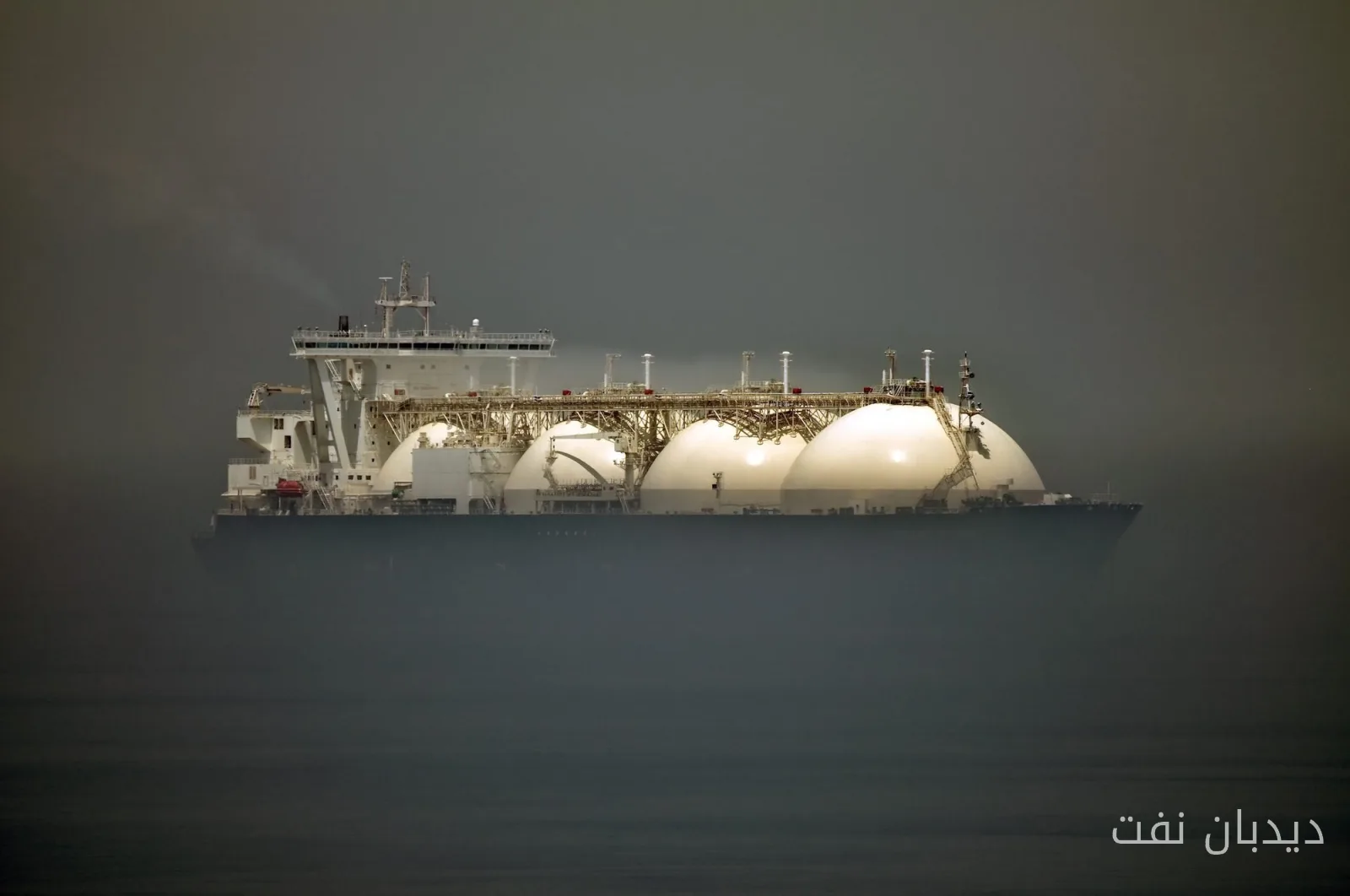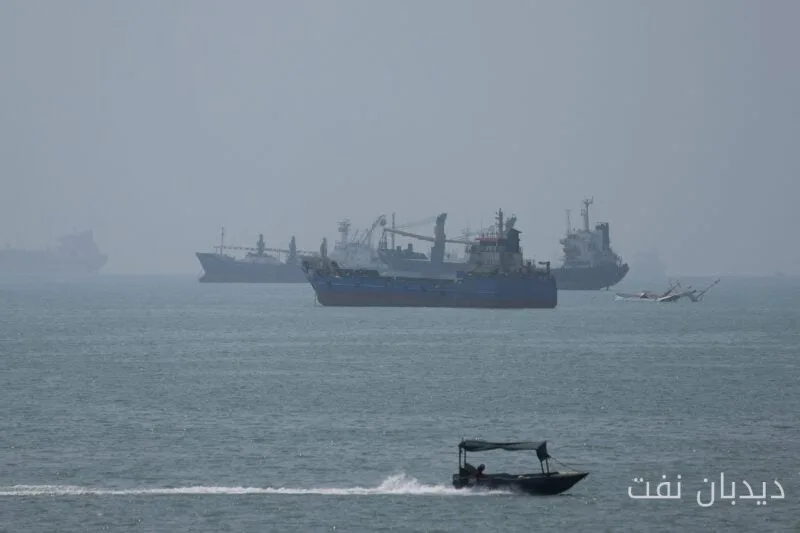
The Strait of Hormuz, as one of the most important oil tanker transit points in the world, is currently witnessing significant economic and military tensions. These developments are primarily due to the stringent sanctions imposed by the United States against Iran and the country's intermittent attacks on commercial vessels. The U.S. oil sanctions have severely pressured Iran's financial and economic capabilities and have directly impacted the country's oil exports.
Sanctions and Their Impact on Iran's Oil Exports
Iran, as one of the key oil producers in the world, is facing U.S. sanctions that have led to a sharp decline in its oil exports. According to reports, Iran's oil exports have dropped to less than 500,000 barrels per day, while previously this figure was around two million barrels per day. This decline in exports has significantly affected Iran's $300 billion economy and limited the financial resources needed to cover the country's military expenses.
Read more: Navy: The offending tanker in the eastern Strait of Hormuz encountered an accident
Tensions in the Strait of Hormuz and Their Impact on Transportation Costs
At the same time, the transportation costs of oil in the Strait of Hormuz have increased due to Iran's intermittent attacks on commercial vessels. Although these attacks rarely cause serious damage to commercial ships, the existing risks have led to increased insurance costs and consequently higher oil prices in the global market. Estimates indicate that in early October, the rental cost of a tanker in some parts of the world was significantly higher than the cost of launching a missile into space.
Currently, U.S. military forces are working to ensure the security of vessel traffic in this region and are providing necessary information and advice to commercial ships. However, according to military officials, about 95 percent of ships pass through the Strait of Hormuz without incident. Meanwhile, Iran continues to develop its military capabilities and continues its attacks using missiles and drones.
Analysts believe that although economic pressure on Iran has significantly increased, the country is still capable of continuing its attacks. According to Jim Lamson, a senior researcher at King's College London, Iran has planned for asymmetric warfare against the United States and continues to gather anti-ship weapons.
As a result, the current situation in the Strait of Hormuz, despite economic and military pressures, does not seem likely to change soon, and the existing tensions will continue to impact global oil trade.
Read more: Increase in Singapore tanker prices to over $1,000 due to sanctions · Decrease in oil prices despite peace talks in Doha