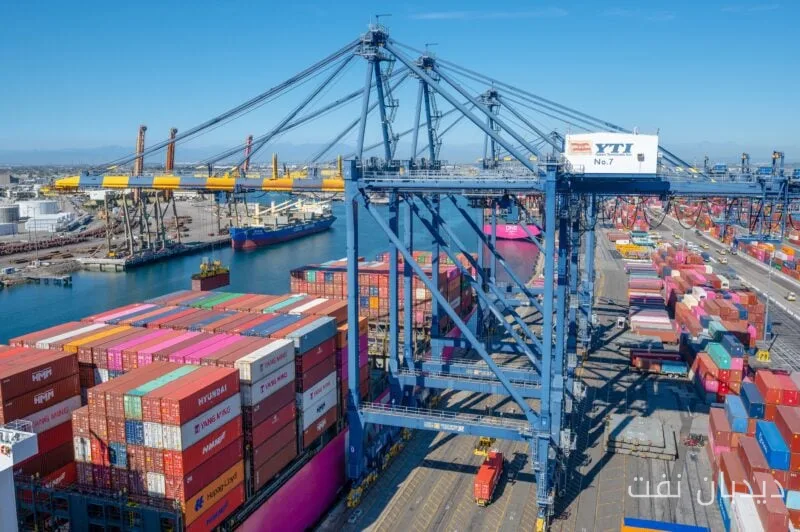
Port of Los Angeles, the busiest container port in the United States for global trade, thwarted over 120 million cyber attack attempts in August. These ongoing threats have impacted the operations of the port, especially as it faces changes in tariff policies.
Analysis of Cyber Threats
The port's executive director, Gene Seroka, stated in an interview that the Port of Los Angeles is facing threats such as intrusions, network exploitation, account information gathering, and malware attacks. The port's cybersecurity operations team, in collaboration with private sector companies, has established a seven-layer digital defense around its operations.
Read more: Davood Manzoor emphasized the necessity of managing energy imbalance
Seroka's remarks came after U.S. officials announced that U.S. government agencies are tracking cyber threats against nearly 20 ships worldwide. Attacks in the maritime sector have increased in recent years as ships have become more reliant on digital systems for navigation, communications, and other operations.
Impact of Trade Changes on Port Activity
Changes in trade flows and policies have also affected the port's business. The volume of cargo received from Southeast Asia has increased over the past year and a half, while China's share of the port's total trade has decreased. Business with Vietnam has quadrupled over the past decade, while China's share has dropped from 60% to 40% of the port's total cargo.
The Port of Los Angeles has benefited from increased traffic due to ships diverting from the Suez and Panama canals for security and weather reasons. The lowering water levels in the Panama Canal mean that carriers from Asia are forced to unload cargo on the U.S. West Coast and then transport it to East Coast markets.
Seroka noted that after completing its busiest three-month loading period from June to August, the port may see a 5 to 10 percent increase in cargo volume due to the Panama Canal restrictions diverting cargo towards it.
Additionally, on Tuesday, three containers fell from a ship into the water, prompting officials to establish a safe zone around the incident so workers could secure the cargo.
Read more: Analysis of sanctions on the route of Iranian oil shipments · Border commander: 15 million liters of smuggled fuel seized