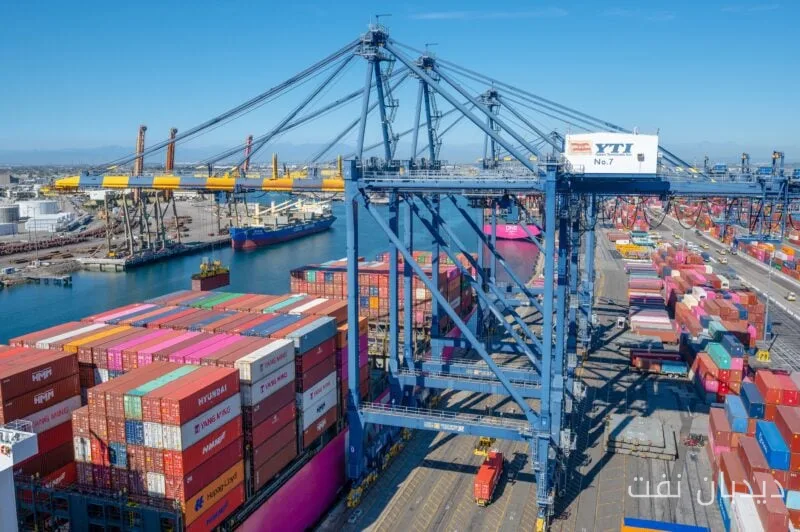
Iranian oil shipments are increasingly affected by sanctions, resulting in significant changes to their transportation routes. These changes not only impact energy supply within the country but also have widespread consequences for the global oil market.
History and Context of Sanctions
Economic sanctions against Iran, particularly in the oil and gas sector, have intensified since the United States withdrew from the nuclear agreement in 2018. These sanctions aim to reduce Iran's oil revenues and pressure the country's government. As a result, foreign oil companies have avoided cooperation with Iran, leading to the emergence of new routes for oil exports.
Read more: Potential electricity imbalance next winter due to increased gas consumption
Changes in Oil Shipment Routes
Recent studies indicate that Iranian oil shipments have shifted towards new destinations such as Asian countries and some African nations. These changes have particularly occurred following the rise in oil prices in global markets and high energy demand in these regions. It is worth noting that these routes are usually facilitated informally and with the help of unofficial networks.
Moreover, tankers are also making more cautious choices in selecting their routes due to fears of sanctions and international inspections. This is especially evident in the Strait of Hormuz, which is considered one of the most important transit routes for global oil.
Economic Consequences for Iran and the Global Oil Market
The change in oil shipment routes has directly impacted Iran's oil revenues, consequently putting pressure on the country's economy. This situation has also contributed to rising global oil prices and caused instability in international markets. Furthermore, this situation may lead to increased transportation costs for oil and, as a result, affect global fuel prices.
Future Outlook
Given the continuation of sanctions and the inability to cooperate with major oil companies, Iran may be forced to continue using informal methods and underground networks for its oil exports. This could impact global energy security and lead to further instability in international markets.
Read more: Fuel cards at stations are gradually being collected · 12 vehicles seized due to violations in refueling in Minab