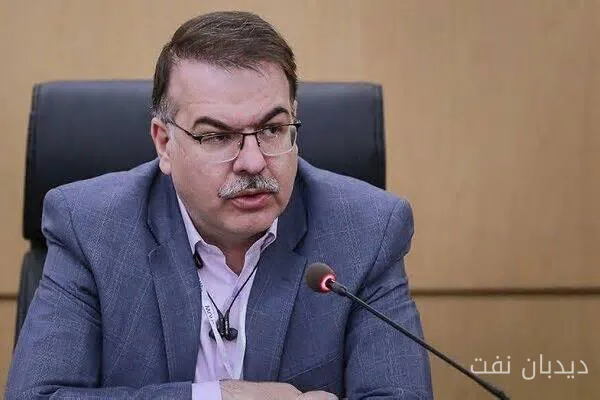
Omid Shakri, Deputy Minister of Oil and CEO of the National Petrochemical Company, discussed the state of the petrochemical industry after the damages caused by recent crises with reporters. He pointed out that the damages to this industry can be divided into two parts: damage to utilities and damage to specific petrochemical processes.
Reconstruction and Recovery Operations
Shakri emphasized that reconstruction and recovery operations are currently being carried out vigorously in the two main hubs of the country's petrochemical industry, namely Assaluyeh and Mahshahr. He added: "Our effort is to bring a significant portion of the lost capacities of the petrochemical industry back into production by the end of this year." According to him, about 60 percent of the damaged capacities have returned to production, and efforts to restore other capacities are still ongoing.
Read more: TotalEnergies has made the final investment decision for the development of the Abshar gas fields
Challenges in Securing Energy and Feedstock
The Deputy Minister of Oil referred to the challenges of securing energy for the petrochemical industry and stated that this summer, part of the decrease in petrochemical production was due to limited utility supply, especially electricity. He also warned that in winter, there is a possibility of restrictions on gas supply, partly due to gas imbalance in the country. This issue will also affect the petrochemical industry.
In response to reporters' questions about securing feedstock for petrochemicals, Shakri clarified: "The situation for securing gas feedstock for the petrochemical industry will be more difficult compared to previous years, and we are trying to minimize the impacts of the war and reduced production capacity."
Export Status and Currency Return
The Deputy Minister of Oil also discussed the status of exports and the return of currency from petrochemical exports, saying: "Petrochemical companies directly supply their products to foreign markets, and the process of sales and currency return is conducted under the supervision of the Central Bank." He added that despite the wartime conditions and existing restrictions, various measures have been taken to ensure that petrochemical exports remain stable.
Shakri emphasized that "a large portion of the currency obtained from petrochemical exports returns to the country" and these resources are used to meet the currency needs of various sectors of the economy. He continued: "The rate of currency return from petrochemical exports is over 90 percent, and the regulations regarding currency return in this industry are being implemented."
Energy Consumption Management and the Future of Petrochemicals
Shakri stressed the necessity of energy consumption management and said: "Every year, with the increase in gas consumption in the residential sector during winter, restrictions are imposed on gas supply to industries, and petrochemicals are also affected by these restrictions. However, this year, due to special conditions, there will be more pressure on the petrochemical industry."
In conclusion, the Deputy Minister of Oil expressed hope that with the cooperation of the people and various sectors, energy consumption management will help improve the conditions for securing feedstock and energy for petrochemical units and reduce the severity of potential restrictions.
Read more: The U.S. government: Over 20 million barrels of oil have passed through the Strait of Hormuz · The European Union Energy Commissioner calls for a reduction in energy consumption in winter



