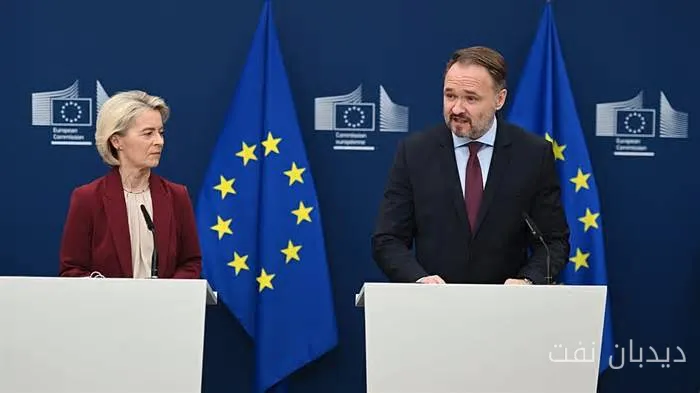
Dan Jørgensen, the European Union Energy Commissioner, has asked member states in a letter to continue necessary actions to reduce energy demand. In this letter, he specifically refers to the "exceptionally low" levels of gas reserves, which have not improved since the initial warning in March.
Gas Reserves Status and Global Competitions
According to statistics from the European Gas Infrastructure Association, EU gas storage is currently about 70% full, which is approximately 12 percentage points lower than at the same time last year. Ongoing disruptions in the Middle East and intense competition from Asian countries for liquefied natural gas (LNG) shipments have led to rising prices and the risk of a supply crisis. Currently, the price of gas at the Dutch reference hub TTF is about 72 euros per megawatt-hour, reflecting a 40 euro increase since the bombing of Iran by the United States and Israel on February 28.
Read more: Hamidreza Shahroki: Live animal imports in Sistan and Baluchestan have increased by 120 percent
Proposed Actions for Demand Management
Jørgensen emphasized in his letter that reducing electricity consumption during peak hours could lead to a decreased need for burning gas in power plants, thereby alleviating pressure on gas supply and electricity prices. In this regard, the European Commission referenced voluntary measures implemented during the 2022 energy crisis and urged governments to utilize these experiences. These measures include reducing electricity consumption during peak hours, encouraging load shifting, and limiting temperatures in public buildings.
Jørgensen also advised ministers of member countries to refer to their national emergency plans and utilize the flexibility available in gas storage regulations to avoid panic buying. According to him, reaching a storage level of 80% could be sufficient for winter security while allowing countries to spread their purchases over a longer period.
Currently, the European Union Energy Commissioner assures that there is no immediate risk to supply security, but emphasizes that high prices and competition for cargoes could bring additional challenges. For this reason, governments have been asked to manage demand and prevent pressure on prices.
Read more: Damage to Iran's gas infrastructure and upcoming winter challenges · Former CEO of South Pars Gas Complex emphasized smart consumption management