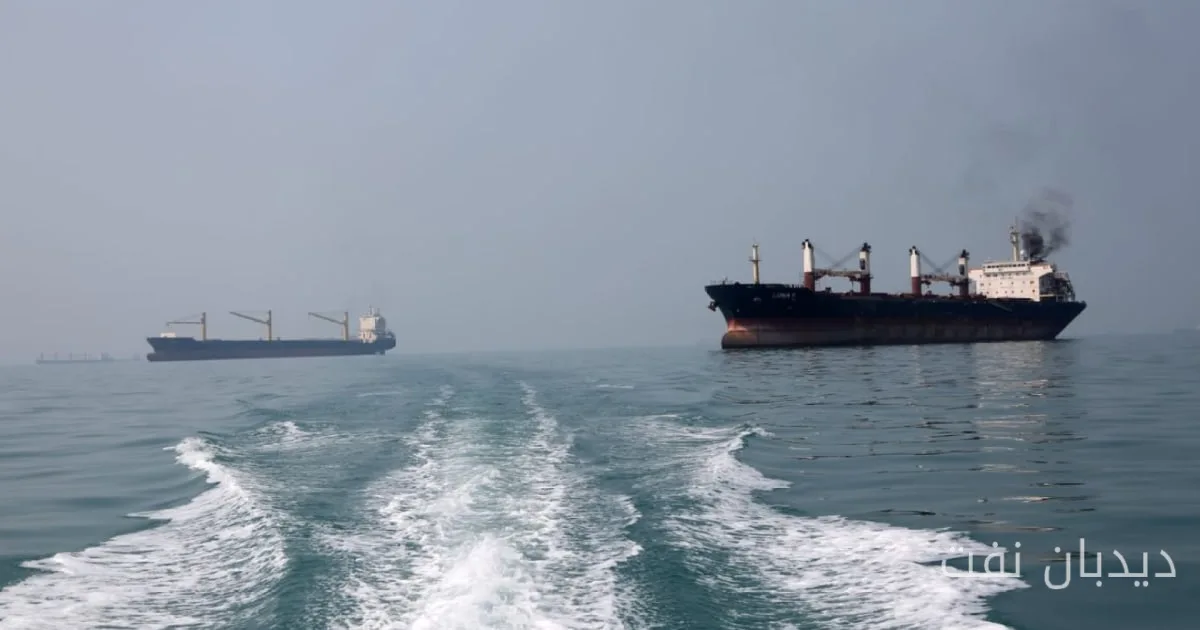
Global oil prices are rapidly increasing and have now reached nearly $105 per barrel. This price surge is due to heightened tensions in the Strait of Hormuz and potential conflicts in the Persian Gulf. As prices rise, concerns about the economic and social impacts on consuming and producing countries have significantly increased.
Tensions and Economic Impacts
Recent tensions in the Persian Gulf, especially regarding military activities and threats from Iran, have severely impacted the oil market. This situation will affect not only oil prices but also other essential commodities and inflation rates in various countries. The average oil price has experienced significant fluctuations in recent years, but this time it seems that the situation has become critically severe.
The global economy is heavily dependent on oil, and any price fluctuations can have serious repercussions for production and consumption. Countries that rely on oil imports may face serious challenges, including rising production costs and consequently, increased prices for goods and services.
The Future of the Oil Market
According to forecasts, continued tensions could have profound effects on the oil market and the global economy. Some analysts believe that if this trend continues, oil prices may rise to even higher levels. Meanwhile, any developments in international policies and nuclear negotiations could impact this situation.
Ultimately, the oil market is heavily influenced by political and military developments, and its future is closely tied to events in the Middle East, particularly Iran. In this context, oil price fluctuations could become a global dilemma requiring immediate and effective solutions.