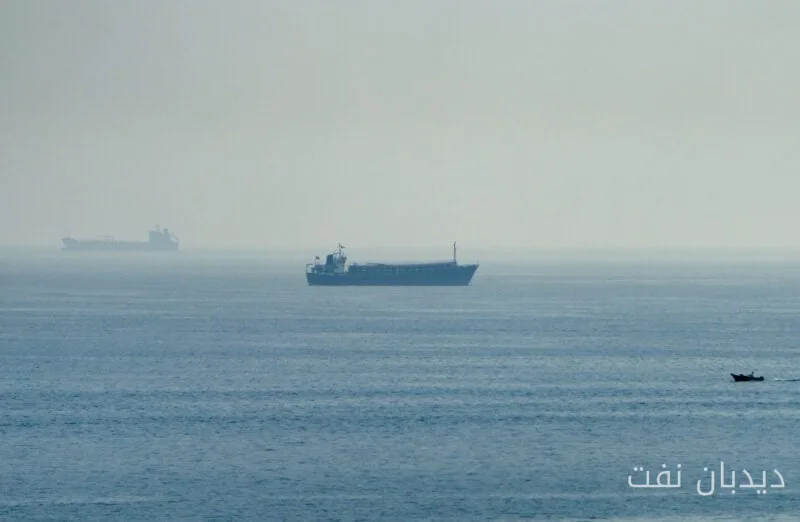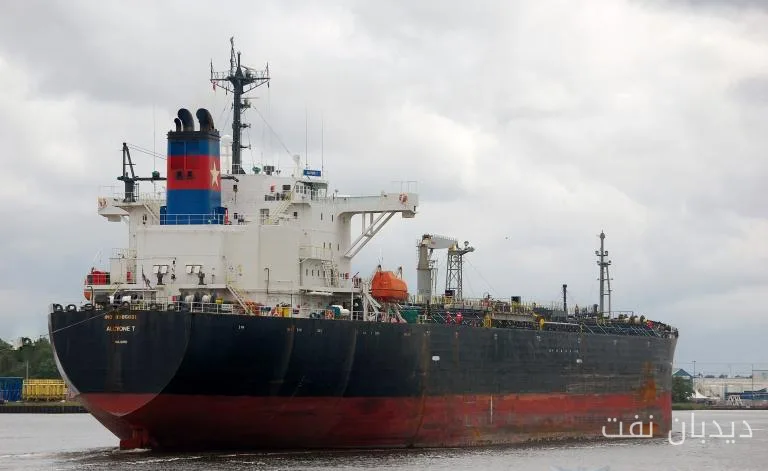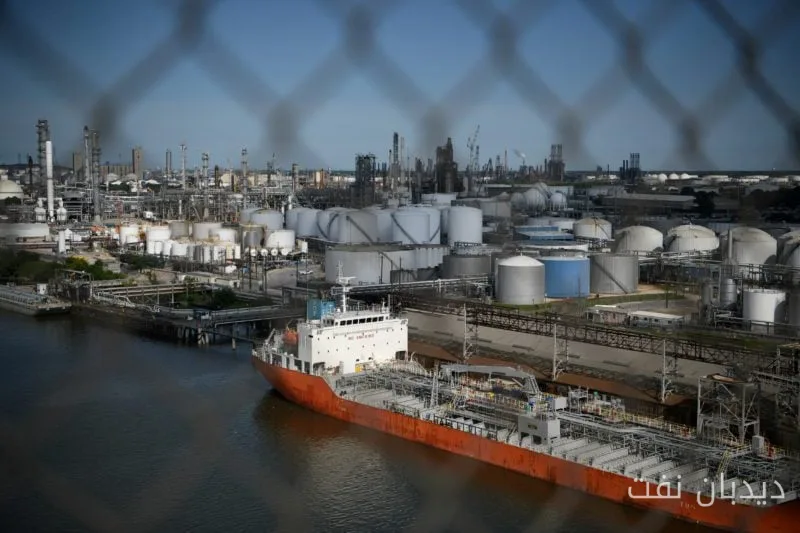
Due to international sanctions, Iranian oil tankers are navigating new routes for exporting their oil. These sanctions have been imposed by Western countries, especially the United States and the European Union, against Iran's oil industry. The main goal of these sanctions is to reduce Iran's oil revenues and limit the country's access to global markets.
Details of the Sanctions and New Routes
The recent sanctions include restrictions on Iranian oil tankers aimed at preventing the export of crude oil to reputable markets. As a result, many countries purchasing Iranian oil, particularly in Asia, are refraining from buying oil from Tehran due to these sanctions. Consequently, Iran has begun to lean towards informal markets and lesser-known countries.
Read more: Closure of the Strait of Hormuz and the rise of Brent oil prices to the highest level
Economic and Commercial Consequences
The new sanctions have had profound effects on Iran's oil exports, leading to a decrease in the country's oil revenues. Given that oil is one of the main sources of income for Iran, these sanctions could negatively impact the country's economy directly. Additionally, the inability to sell oil at global prices will reduce Iran's financial capacity to meet domestic needs and cover the government's current expenses.
As a result, Iran must seek new ways to circumvent these sanctions, which may include using informal methods, such as smuggling oil or through intermediaries. Although these methods may help mitigate the effects of the sanctions, they cannot be a sustainable solution due to high legal and financial risks.
Ultimately, the current situation reflects serious challenges facing Iran's oil industry, and efforts to find new markets to maintain exports continue.
Read more: Issuance of Mohammad Reza Aref's decree on pricing of feedstock and oil products · CMB.TECH has achieved the sale of another Suezmax tanker