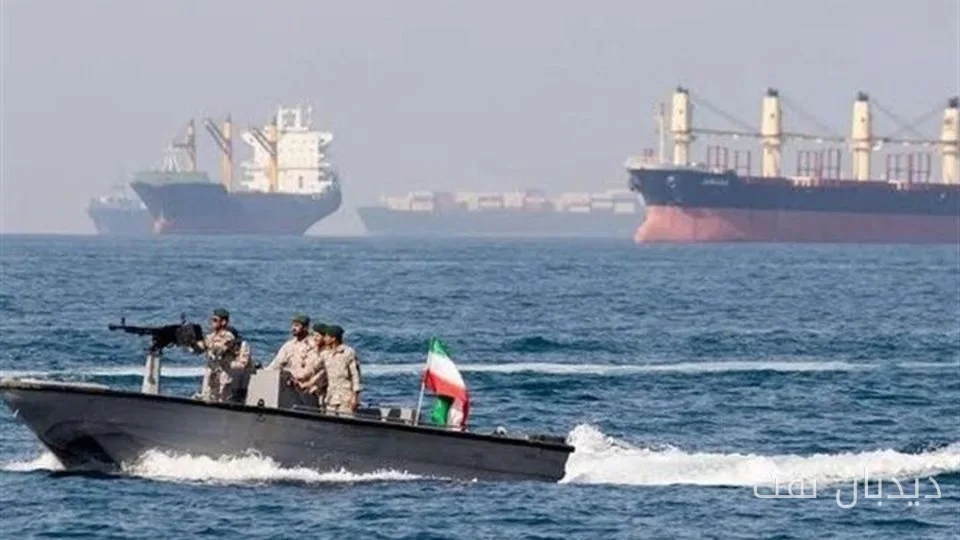
The closure of the Strait of Hormuz by Iran, as a strategic move in response to military threats, has caused a shortage in the physical oil market and a sharp increase in Brent oil prices. This situation clearly demonstrates the direct impact of geopolitical developments on the global energy market.
Analysis of the Oil Market Situation
Brent crude from the North Sea is one of the main benchmarks for pricing in the global oil market, and its price changes can reflect the overall condition of this market. With the onset of the third imposed war on March 1, 2026, and Iran's action to close the Strait of Hormuz, Brent oil prices have surged. At the peak of the war days, the future Brent price reached $118, and the spot Brent price hit $138, but with the announcement of a temporary ceasefire, these prices decreased.
Read more: Export of Five Million and 140 Thousand Tons of Oil Products from Shahid Rajaei Port
However, after the U.S. violated the agreement in implementing the Islamabad memorandum and the resumption of hostilities, the future and spot Brent prices increased to $108 and $135, respectively. This price increase indicates the lasting impact of the closure of the Strait of Hormuz and the shortage of physical cargoes in the market.
Price Gap Between Future and Spot Brent Oil
The price gap between future and spot Brent oil was between $0.5 and $1.5 in the days before the war began, but it surged to nearly $30 at the height of the crisis. This gap, which indicates a real shortage in the physical oil market, clearly shows that buyers are willing to pay a higher price for physical oil cargoes to ensure immediate delivery.
Refineries, as one of the main customers of physical oil, are significantly affected by these price increases, leading to higher production costs for oil products such as gasoline and diesel. Recent studies indicate that the price gap between future and spot Brent oil began to widen in early September 2026 and reached a record $33 on October 2.
This situation indicates that Iran's leverage over the closure of the Strait of Hormuz remains effective in the oil market, and due to the depletion of oil reserves, this influence increases over time. Currently, although the future Brent price has not reached previous highs, the shortage of physical cargoes has led to an increase in spot Brent prices and a record-breaking price gap for Brent.
As a result, the current state of the oil market clearly indicates that the leverage of the Strait of Hormuz is still in Iran's hands, and its impact on the structure of the global energy market is clearly noticeable.
Read more: Smart Fuel System Manager: Unidentified Cards are Monitored · French Navy Seizes DF Peak Oil Tanker in the Indian Ocean



