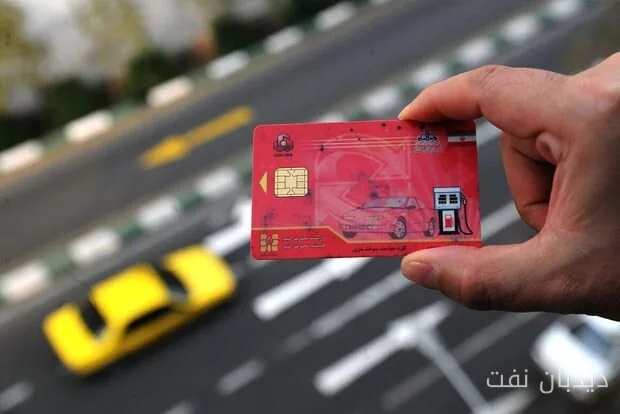
The new fuel management in the country, aimed at clarifying consumption and controlling smuggling, will soon be implemented. This plan, which will be executed using bank cards instead of traditional fueling methods, seeks to improve oversight on consumption and create a more transparent network for gasoline distribution.
Details of the Fuel Management Plan
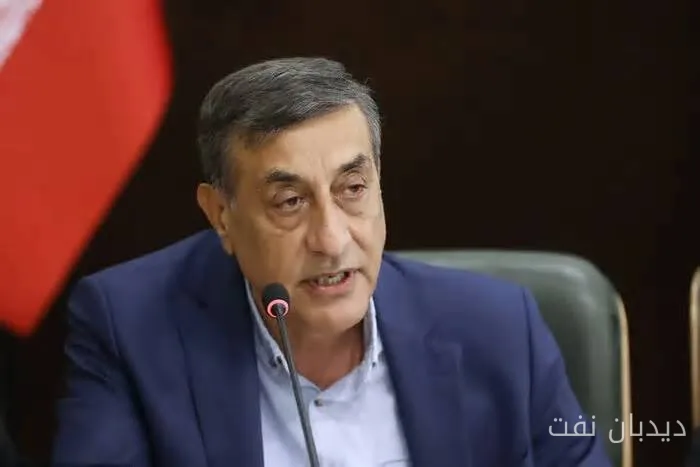
Moussa Ahmadi, a member of the Energy Commission of the Parliament, announced on Radio Economy that this plan has been designed in three phases. In the first phase, this method was tested at a number of stations, and in the second phase, the scope of the plan reached about 3,000 stations. According to the announced program, in the next phase, the possibility of using bank cards for fueling at all stations across the country will be provided.
Read more: Moussa Ahmadi: The new fueling plan with bank cards is being implemented
Consumption Management and Smuggling Prevention
One of the concerns raised after the news about the fuel management was rumors about reducing the 1,500 Toman gasoline quota from 60 liters to 30 liters and new price changes. Ahmadi emphasized that the goal of this plan is not to create shock in society, and the main policy is to manage consumption through smart tools. According to him, accurately recording fuel transactions can provide better oversight on consumption and combat smuggling.
The Future of Fueling with Bank Cards
Ahmadi also explained the rumors regarding the limitation of fueling with bank cards, stating that there are no specific restrictions on using bank cards for fueling, and the reports about a 100-liter limit for 10,000 Toman gasoline are not true. He emphasized that these actions are pursued within the framework of the seventh development plan, and the ultimate goal is to gradually shift from station cards to the use of personal and bank cards.
Thus, the new fuel management plan focuses more on changing the method of oversight on consumption and creating a more transparent network for gasoline distribution rather than immediate price changes. This change could alter the way millions of drivers fuel in the future.
Read more: 70% increase in production costs of parts in Iran's automotive industry · Mohammad Jafar Ghaempanah: 30 million liters of fuel are smuggled