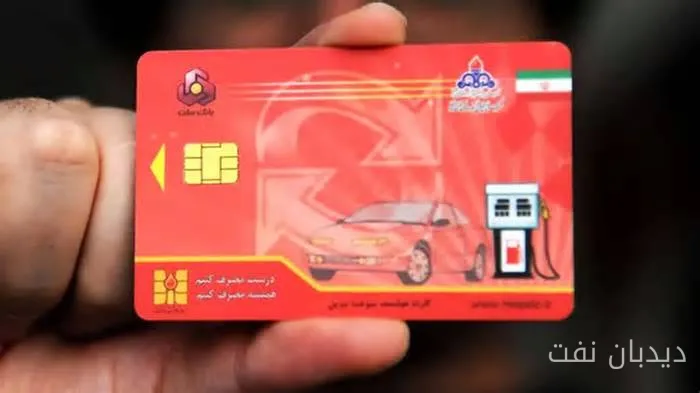
The National Iranian Oil Products Distribution Company announced the start of the implementation of the emergency fuel card transaction identification scheme at fuel supply stations. This scheme, designed to enhance transparency and reduce misuse, will soon be expanded to all parts of the country.
Objectives and Legal Requirements of the Scheme
Abbas Basafa, the manager of the company's smart fuel system, referred to the legal requirements for the implementation of this scheme, stating: "According to the Seventh Five-Year Development Plan, identifying any type of refueling for personal cars and motorcycles is a legal obligation." He added: "The National Iranian Oil Products Distribution Company is required to ensure that 95 percent of refuelings are conducted through personal smart fuel cards and a maximum of five percent through emergency station cards."
Read more: Iran continues to export fuel despite the U.S. maritime blockade
New Details of the Refueling Process
The manager of the smart fuel system of the National Iranian Oil Products Distribution Company announced that the new method includes an identity verification step before refueling. In this method, the applicant first swipes their valid bank card on the device and, after verification, selects the desired amount of fuel and enters the bank card PIN. The device then issues a receipt containing a code, and the applicant can refuel by receiving an emergency card from the station attendant and entering the four-digit code printed on the receipt into the nozzle.
Basafa also referred to the performance statistics of this scheme in Tehran, stating that within a week of its implementation, 845,386 token inquiries were registered in the system, resulting in 735,000 transactions leading to confirmed payments and refuelings. In total, about 17.5 million liters of gasoline have been sold through these vouchers.
Changes in Management and Transparency
The manager of the smart fuel system also mentioned previous challenges in managing emergency cards, stating: "In the past, each emergency card had a limit of 255 transactions per day, which caused problems for travelers during late-night hours or on travel routes. With the implementation of the new scheme, the quota for using the emergency card is linked to individuals' national ID numbers, allowing every citizen to receive their required fuel at any hour of the day or night."
This scheme also enables authorities to implement supportive or controlling policies online and prevent misuse. Basafa stated: "Now, with the connection of fuel transactions to banking transactions and national ID numbers, fair distribution of fuel is guaranteed, and the identification of unusual consumption patterns is facilitated."
Expansion of the Scheme Nationwide
Basafa also emphasized that this scheme is being implemented with the full support of the government and regulatory bodies, and after completing coverage in Tehran, plans are underway to expand it to other provinces. He added: "Some regions and provinces have volunteered to implement it more quickly in their cities due to the obvious benefits of this project for the welfare of the people."
Read more: Sanctions on oil tankers limit Iran's oil export routes · Strait of Hormuz; a key energy chokepoint in the hands of Iran