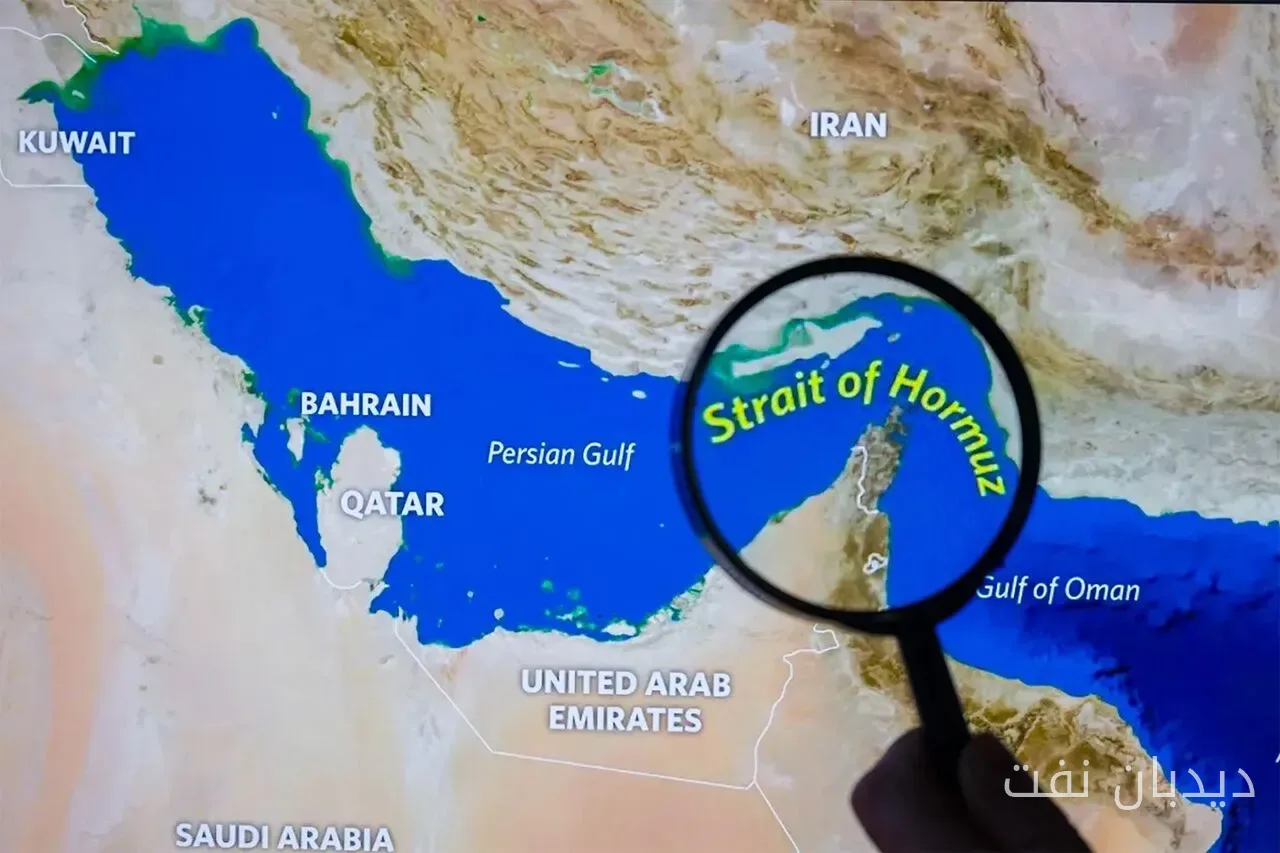
The Strait of Hormuz, as a strategic chokepoint, is the key passage for oil and gas from producing countries to global markets. This narrow waterway, through which nearly one-fifth of the world's oil passes, has gained more significance amid the current tensions between Iran and the United States.
Influential Geography
The Strait of Hormuz is the most important route for the export of oil and gas from Saudi Arabia, Iraq, Kuwait, the UAE, and Qatar. According to recent reports, in the first half of 2025, oil transit through this strait reached 20.9 million barrels per day, more than any other chokepoint in the world. Countries like China, India, Japan, and South Korea absorb about three-quarters of this volume, meaning that the economic life of East Asia is tied to this strait.
Read more: Siadrel was sentenced to pay a $55 million fine
Fragility and Threats
The narrowest point of the Strait of Hormuz is only 21 miles (about 34 kilometers), and within this gap, only about six miles are usable for the passage of oil tankers. Therefore, the threat of closing the strait by Iran could significantly increase oil prices in global markets. For example, amid the tensions of 2025, Brent oil prices rose from $69 to $74 in just one day. The former commander of the Revolutionary Guard, Mohammad Ali Jafari, stated in 2012: "Either everyone can use the Strait of Hormuz, or no one can." This statement clearly illustrates Iran's power in controlling this chokepoint.
In the face of U.S. military and aerial superiority, Iran relies on asymmetric deterrence. Although the idea of completely closing the strait is costly for Iran from both legal and economic perspectives, it significantly raises the cost of provocation for Washington. The U.S. cannot manage a war centered around the waters of the strait without imposing heavy costs on the global economy and its partners.
The Role of Geography in Politics
The big lesson from this crisis is that geopolitics reads politics from the map. In the Iran-U.S. dispute, missiles and sanctions are the headlines, but the physical reality of the Strait of Hormuz gives Tehran strategic depth and compels Asian and European capitals to be cautious. Iran, as some analysts put it, is a prisoner of geography; yet within this prison, it holds the key to one of the most important doors of the global economy.
As long as this reality persists, any strategy to reduce tensions in the Middle East must inevitably begin from the waters of Hormuz.
Read more: Signing a 10-year contract between COSCO and DFSK for car exports · The Islamic Republic transferred liquefied gas shipments at sea



