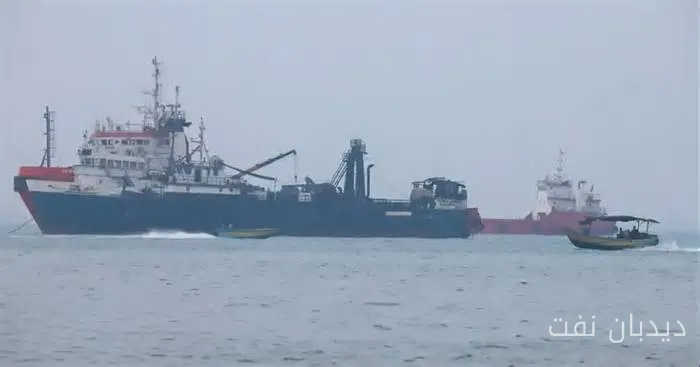
The Islamic Republic of Iran, aiming to bypass the economic sanctions of the United States, has taken action to transfer liquefied gas shipments at sea. This action, as a strategy to counter economic restrictions, reflects Iran's efforts to maintain and expand its energy exports under sanctions.
Details of the Shipments and Transfer Route
The recently transferred liquefied gas shipments include significant amounts of LNG (liquefied natural gas). According to reports, these shipments are being transferred from Iranian ports to unspecified destinations in Asia and Europe. These routes have been chosen indirectly to avoid detection and circumvent sanctions.
Read more: Iran Faces Logistical Challenges in Oil Exports
It seems that the Islamic Republic intends to reach new markets and increase its revenues under difficult economic conditions by choosing this method. These transfers are specifically carried out from southern Iranian ports, which, due to their proximity to the sea, facilitate the storage and transfer of shipments.
Economic and Political Consequences
The transfer of liquefied gas shipments at sea may be considered a successful method for circumventing sanctions, but it could also have serious repercussions for the Islamic Republic. On one hand, this action could help increase foreign exchange revenues and strengthen Iran's economy, but on the other hand, it could lead to international pressures and retaliatory responses from the United States and its allies.
Analysts believe that this strategy may serve as a temporary method to cope with sanctions, but in the long term, Iran will seek to establish more sustainable ways for its energy exports. Additionally, this action may be viewed as a new challenge for maritime and economic security in the region.
Read more: Britain Imposes New Sanctions on the Russian Oil Industry · Jihui Shipping Sells Its Old Oil Tanker for $14.6 Million



