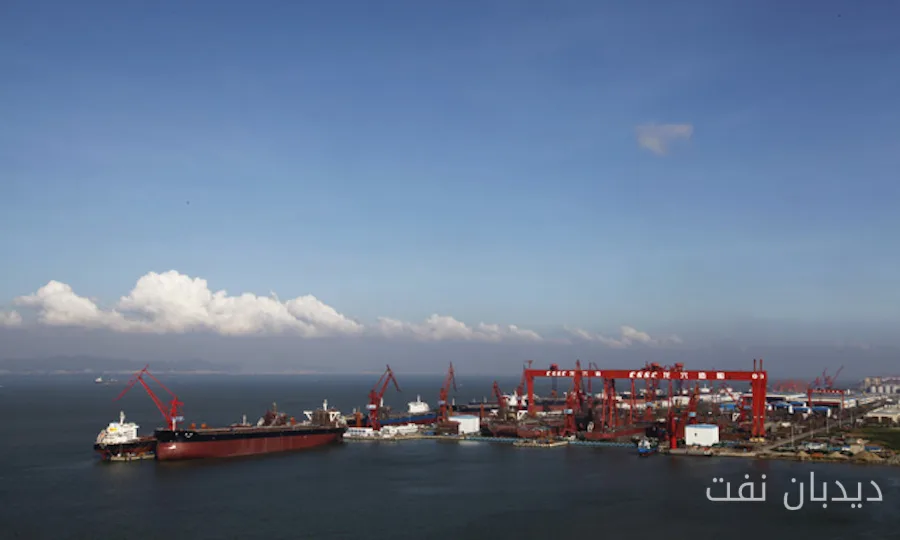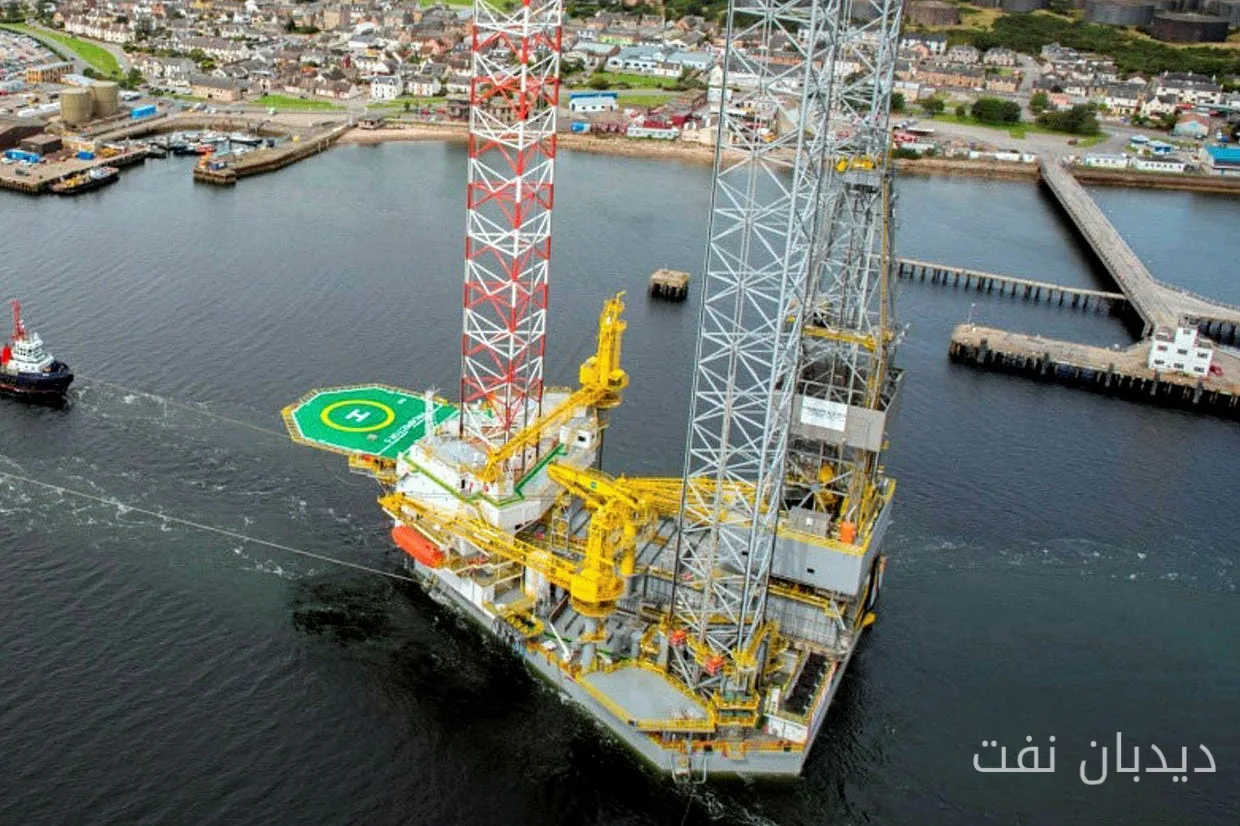
Tankers, as one of the most important components of the maritime transport industry, are always affected by sanctions and economic changes. In this regard, some tankers have been changing their operational routes and making adjustments to their structures to increase efficiency and reduce economic risks.
Recent developments in the tanker industry
Oil shipments that have faced challenges due to sanctions are now changing their routes towards new markets. These changes are particularly felt as traditional markets are impacted by sanctions. For example, tankers that traditionally served Western markets have shifted towards Asian and African markets.
Read more: Sanction on Iranian tanker shipment en route to the Persian Gulf
New dates and routes
New dates for tanker voyages are constantly changing. These tankers are seeking new destinations that carry the least risk while being able to deliver their cargo at a reasonable cost. These developments indicate that the tanker industry is trying to adapt to new economic and political conditions.
These changes are occurring while some countries are trying to find new ways to transfer oil shipments by improving their trade relations. This could lead to reduced costs and increased profitability for oil companies.
Overall, the current situation of tankers and their route changes as a response to sanctions and economic challenges reflects the need for innovation and adaptation in this industry. These changes will not only benefit oil companies but could also help improve the global oil market.
Read more: Hamid Bord traveled to Russia to develop gas exchanges · Odfjell sold two chemical tankers worth over 62 million dollars