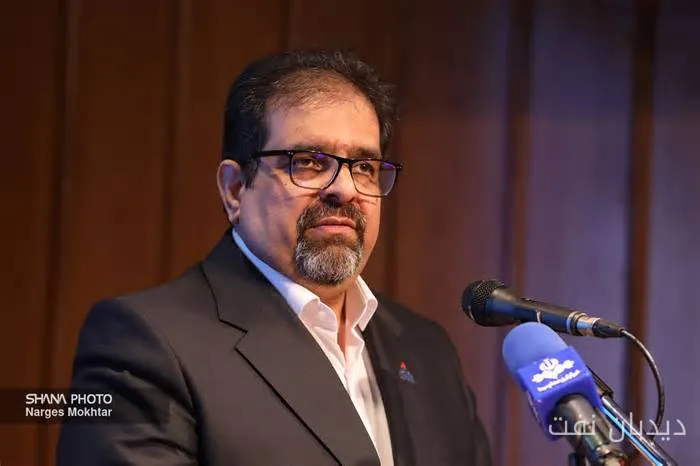
Mohammad Kiani, the governor of Natanz County, during the gathering of Friday prayer leaders from the Kashan region and mosque affairs secretaries from the counties of Kashan, Natanz, and Aran and Bidgol, hosted by Islamic Azad University of Natanz, emphasized the capacity of mosques to strengthen empathy, social cohesion, and effective communication with the people, stating: "In today's conditions, a mosque can, in addition to its central role in cultural and educational activities, serve as a platform to enhance communication with the people, listen to their issues and concerns, and assist in solving community problems."
The Role of Friday Prayer Leaders in Social Guidance
Kiani referred to the position of Friday prayer leaders and congregations in guiding the cultural and social aspects of society, highlighting the necessity of utilizing the capacities of mosques and clergy to explain the country's conditions, strengthen hope, and maintain societal calm. He added: "These actions can help foster greater cohesion among the people and executive bodies."
Read more: The Role of Parks in the History of Kermanshah: From Shirin to Shahid
Energy Consumption Management in the Second Half of the Year
He also emphasized the country's economic conditions and existing challenges, especially in the energy sector, stressing the need for readiness and planning for managing gas and electricity consumption in the second half of the year. "Overcoming the current conditions requires cooperation and collaboration from all sectors of society, and mosques and Friday prayer leaders can play a significant role in raising awareness, cultural promotion, and engaging the public with consumption management programs."
Maintaining Calm and National Unity
The governor of Natanz County also referred to the conditions arising from the unequal war and its effects and consequences, deeming the maintenance of calm, unity, and national cohesion as a crucial necessity. He noted: "In such circumstances, strengthening social capital and preserving empathy among the people and officials becomes even more important, and all cultural and social capacities must be utilized to enhance this empathy."
Kiani stated that the mosque has always been one of the main centers of communication between the people and the clergy, adding: "The deeper and more active the connection between the mosque and the neighborhood and people, the greater its capacity to play a cultural, social role and even help solve local issues will be."
He concluded by appreciating the continuous cooperation of Hojjatoleslam Seyyed Mohsen Mousavi, the Friday prayer leader of Natanz, and Hojjatoleslam Seyyed Hassan Seyyed Mohammadi, the Friday prayer leader of Badrud, with the government in Natanz County, saying: "The cooperation and interaction of Friday prayer leaders with the executive body of the county is a valuable capacity for addressing issues, better serving the people, and advancing the county's affairs."
This gathering was held with the presence of Friday prayer leaders from the Kashan region and mosque affairs secretaries from the counties of Kashan, Natanz, and Aran and Bidgol, discussing and exchanging views on issues related to mosque activities and cultural and educational matters.
Read more: Rahmatzadeh: The Cultural Capacities of Soumehsara are Unique · Chinese Film 'Once Upon a Time in the Middle East'; Malaysian Amazement with Messages of War and Peace