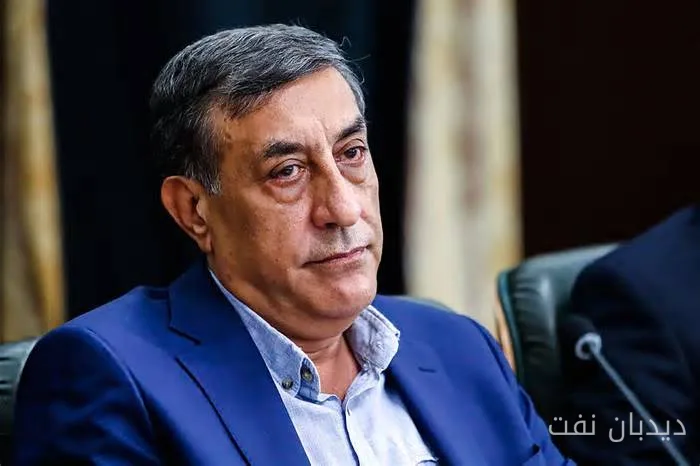
Mohammad Jafar Ghaem Panah, the Executive Vice President, examined the complex dimensions of fuel smuggling during a visit to the activities of the Smart Monitoring Center of the Central Headquarters for Combating Smuggling of Goods and Currency on September 15. He estimated the daily volume of fuel smuggling at about "30 million liters" and attributed it to the lack of rationalization of energy prices.
Fuel Smuggling and Price Inequality
Ghaem Panah pointed out the price gap by comparing the price of diesel in Iran and neighboring countries, stating: "Each liter of diesel costs 230,000 tomans in Turkey and 280,000 tomans in Afghanistan and Pakistan." He emphasized that this price difference has turned fuel smuggling into a lucrative endeavor, and some smugglers do not even feel guilty.
This official also noted that if energy prices are adjusted to regional levels, the country could generate nearly 720 trillion tomans in annual revenue. This means that each Iranian would benefit from about 7 million tomans, and each four-member family would receive around 28 million tomans from this income monthly.
Subsidy Imbalance and Inequity in Energy Distribution
Ghaem Panah continued his remarks by addressing the subsidy imbalance and inequity in energy distribution, stating that a person with a building of 5 to 6 thousand square meters receives several times the subsidy of an elderly woman in Hormozgan. He considered this situation to be in contradiction with the principles of Alavi governance.
Habibollah Haghighi, the head of the Anti-Smuggling Headquarters, also referred to the return of nearly 6.5 billion dollars to the official cycle during this meeting, saying: "Smuggling is a consequence of an unhealthy economic process." He added that administrative complexities and high costs in the official import process have made smuggling an economic option for operators.
Haghighi emphasized that the need to refer to more than 70 authorities for obtaining various permits is one of the reasons why economic operators are inclined towards informal routes. In addition, he pointed out the price difference between smuggled and legal goods, stating that some teams import goods with the same standards and brands in half the time and at lower costs, making smuggling an economic choice.
Finally, Haghighi stressed the importance of shifting the strategy from a confrontational approach to a softer and preventive one, stating: "If the structure is not reformed, the number of confiscated cases will increase." He emphasized the importance of using smart data to analyze the pathways and destinations of smuggling.
Read more: Targeting the Production of 3000 Megawatts of Electricity in Fars by Hossein Ali Amiri · Discovery of 6400 Liters of Smuggled Fuel and Arrest of Five People in Marivan