Abbas Aliabadi, the Minister of Energy, reported yesterday that he received a letter from the Supreme Leader of the Islamic Revolution regarding the necessity of moving towards self-sufficiency of homes in providing electrical energy. This letter, especially in the current situation where the country is facing the challenge of electricity imbalance, could have significant impacts on the country's energy policies.
The Necessity of Self-Sufficiency in Energy Supply
The Minister of Energy, referring to the content of this letter, emphasized the need to create conditions that allow homes to supply their own electricity and have less dependence on the national electricity grid. This approach could help increase the resilience of the country's electricity system and reduce pressure on the national grid.
Read more: Gholamreza Noori: Sustainable energy supply for producing essential products is necessary
Existing Challenges in Electricity Supply
In recent years, electricity imbalance has become one of the fundamental challenges in the country. With the increase in electricity consumption during the summer and winter seasons, the need for new and strategic measures to provide the necessary electricity is felt. In this context, the use of solar panels and other renewable energy sources can be proposed as an effective solution.
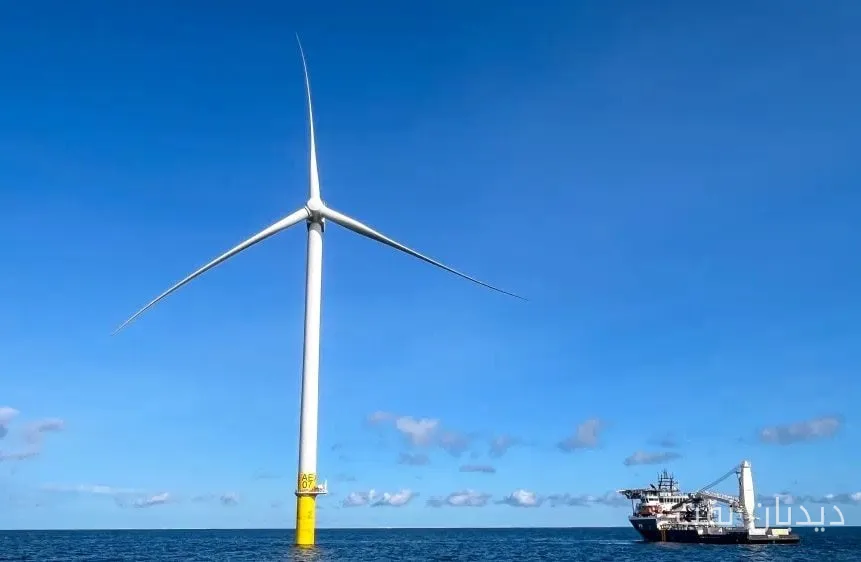
The Leader emphasized the importance of new energies in his letter and requested officials to create the necessary conditions for greater utilization of these resources. By implementing these plans, it is possible to reduce dependence on fossil fuels and also decrease air pollution.
Social and Economic Consequences
Moving towards self-sufficiency in energy supply can not only help improve the energy situation of the country but can also have positive social and economic consequences. Creating new jobs in the production and installation of solar panels, increasing public awareness about renewable energies, and reducing electricity costs for households are among the benefits of these plans.
Overall, moving towards energy self-sufficiency in homes can ultimately improve the quality of life for citizens and ensure the sustainability of the country's energy system. However, there is a need for careful planning and collaboration among various agencies to achieve these goals.
Read more: Purchase of a modern oil tanker by the Estefano brothers for nearly 50 million dollars · £400 million investment to maintain electricity connection between the UK and France until 2050