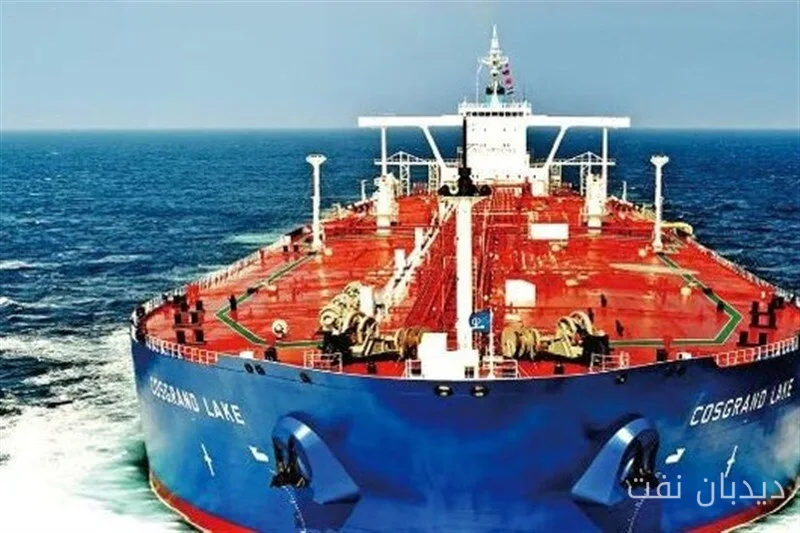
Crude oil exports from major Middle Eastern producers reached 12.8 million barrels per day in September 2023, the highest level since the start of the U.S. and Israel's war against Iran in February. According to data from Kpler, this increase is mainly due to the rise in exports from Saudi Arabia and the United Arab Emirates.
Increase in Exports from the Strait of Hormuz
This increase in exports coincides with an improvement in the volume of oil passing through the Strait of Hormuz. Estimates suggest that oil exports from this strait reached about 7.4 million barrels per day in September. Saudi Arabia has decided to shift part of its oil exports from the Yanbu port on the Red Sea to the Strait of Hormuz following attacks that damaged its East-West pipeline.
Read more: Oil Exports from Khark Oil Terminal Increased by 10% During the 40-Day War
Export Statistics and Tankers
Despite the increase in exports from countries in the region, including Saudi Arabia, the UAE, Iraq, Oman, Qatar, Kuwait, and Iran, the total export volume remains about 6 million barrels per day lower than the February level. At that time, exports from this region reached 18.8 million barrels per day. As the largest oil exporter in the region, Saudi Arabia had about 5.4 million barrels per day in September, showing more than a doubling compared to the 2.5 million barrels per day recorded in August.
Oil exports from the Ras Tanura port in Saudi Arabia also reached about 3.6 million barrels per day in September, a significant increase from 929,000 barrels per day in August. However, exports from this port are still below the 6.4 million barrels per day recorded in February.
Kpler data also shows that last week, 19 very large crude carriers carrying Saudi oil passed through the Strait of Hormuz. Each of these tankers carried about 2 million barrels of oil, totaling nearly 38 million barrels of Saudi oil. This figure does not include vessels that may have turned off their automatic identification system transmitters to avoid detection.
Before the war with Iran began on February 28, about 125 large commercial vessels, including oil tankers, gas carriers, bulk carriers, and container ships, passed through the Strait of Hormuz daily. At that time, this strait was the route for about 20% of the world's daily supply of crude oil and liquefied natural gas.
Read more: New Zealand Invests $21 Million in Offshore Gas Projects · 35 Billion Cubic Meters Decrease in Gas Exports from Qatar and the UAE in 2026



