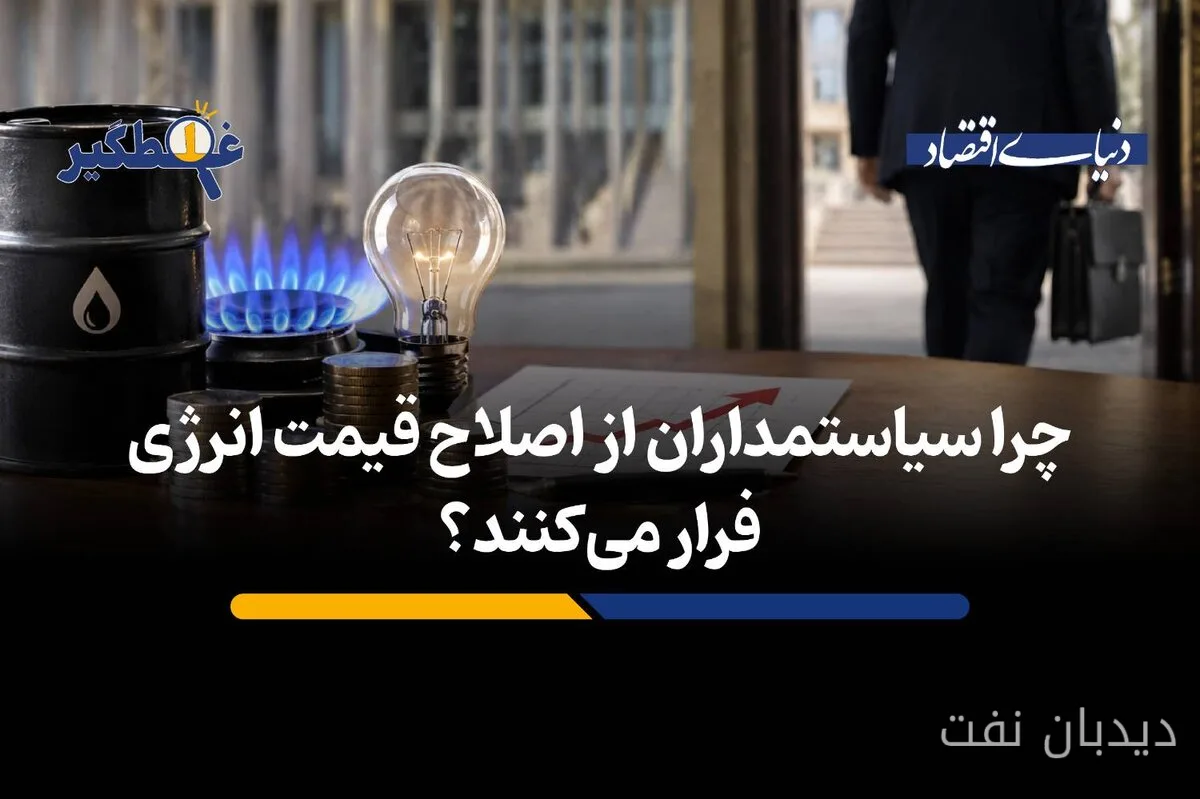
Masoud Nili, an economist and former advisor to the President, has examined the consequences of stabilizing energy carrier prices in Iran. For years, the prices of these carriers have been kept below their actual supply costs. This policy has been implemented with the aim of preventing price increases, but its consequences have manifested in other economic sectors.
History and Context
In the seventh parliament, the gradual adjustment program for energy carrier prices was canceled. Nili states that during certain periods, gradual increases in gasoline prices were implemented without causing significant inflationary effects. This indicates that energy imbalance and pressure on the budget and financing of inflationary deficits are directly caused by the regulatory stabilization of prices. In fact, this policy has not only failed to help control prices but has also weakened the incentive for investment in power plants and refineries.
Read more: Seyed Ahmad Hosseini: Reducing gas production in South Pars requires a conservation movement
Economic Impacts and Consequences
Regulatory price stabilization leads to a reduction in investment in energy infrastructure. This exacerbates energy imbalance and consequently puts more pressure on the country's budget. Nili emphasizes that these financial pressures can lead to financing inflationary deficits and ultimately confront the economy with serious challenges.
He also points out that avoiding energy price reform does not necessarily mean preventing inflation. The cost of this policy is transferred to other sectors of the economy and ultimately leads to problems in other areas. Moreover, this situation can lead to imbalances in energy resources and shortages, the effects of which will be felt not only in the short term but also in the long term.
As a result, Nili believes that to prevent economic issues in the future, it is essential for policymakers to focus on reforms in energy pricing and avoid regulatory price stabilization. These reforms can help improve the economic situation and increase investment incentives in the energy sector.
Read more: Saeed Tavakoli: The gas imbalance in the country will reach 400 million cubic meters · New research shows that nuclear shipping costs will become competitive by 2040