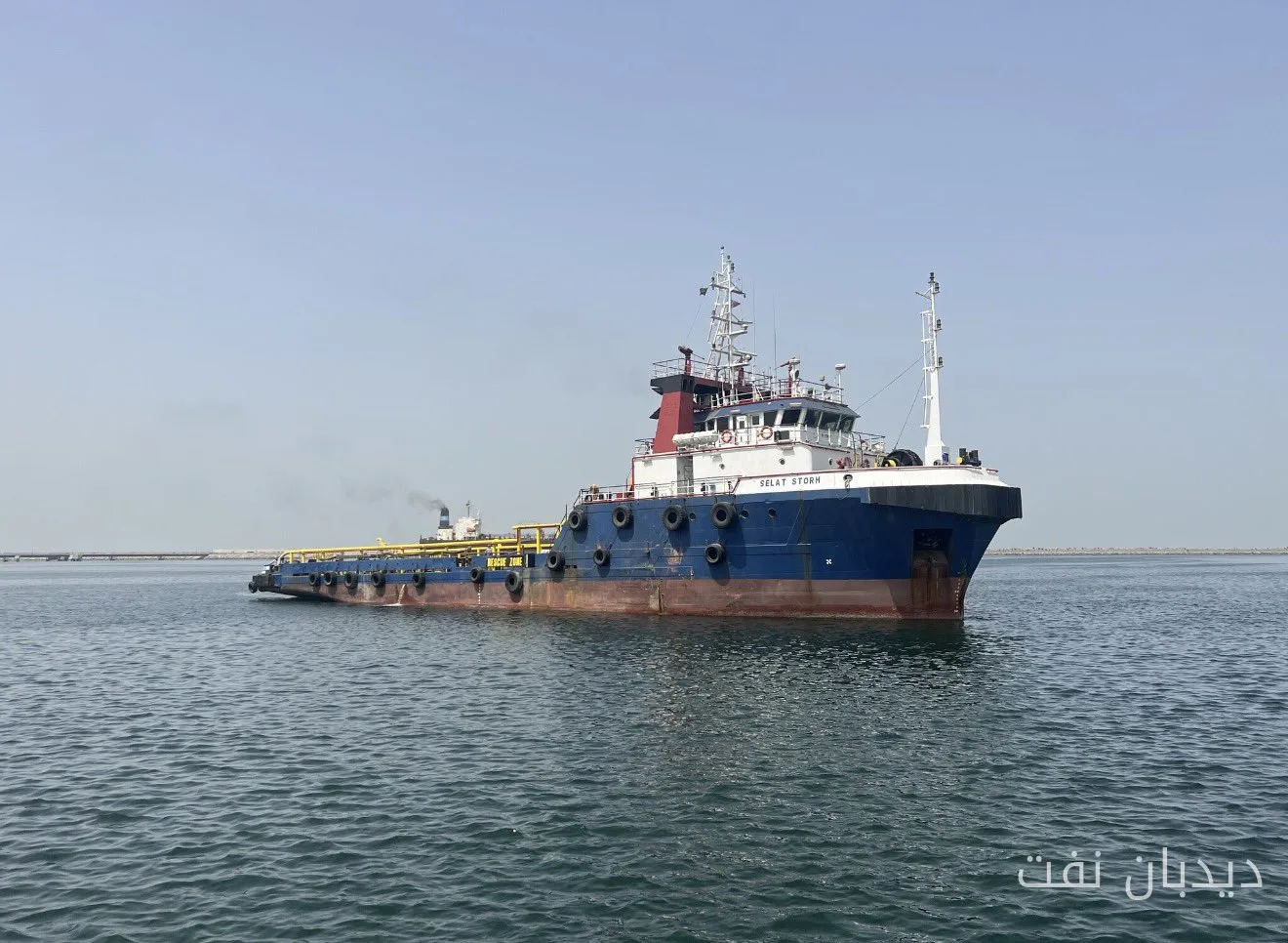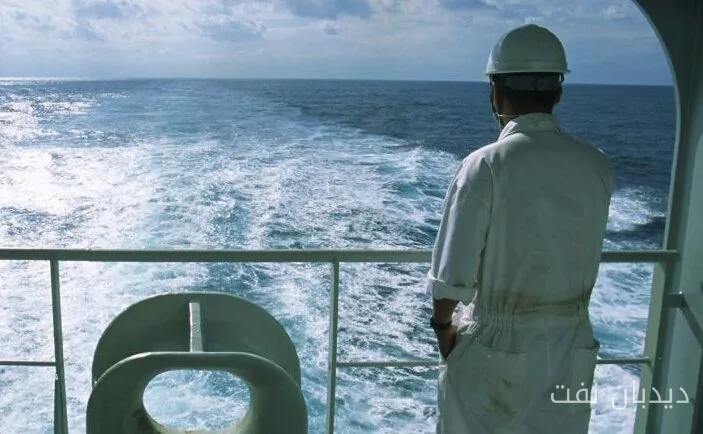
Mark O'Neill, a maritime consultant, in his latest remarks, highlighted the existing challenges in the shipping industry and expressed his concerns about the shortage of skilled human resources. As the global fleet continues to grow, this industry must answer an uncomfortable question: where can the necessary human resources be sourced?
Challenges of Increasing Number of Ships and Decreasing Human Resources
The number of new ships is continuously increasing, and owners are keeping existing ships operational for longer periods, leading to a simple yet concerning equation: more ships and longer operational periods while there are fewer quality human resources to manage them.
Read more: Drafting Military Plans by the U.S. and Israel for an Attack on Iran After the Elections
The shipping industry has traditionally viewed the ship as its primary asset. Billions of dollars are invested in the hulls of ships, engines, technology, and complex digital systems. However, the most important asset of any ship is its human resources, which are increasingly difficult to find and retain.
Increased Risks and Challenges in Attracting and Retaining Personnel
The shortage of human resources is not just about limited numbers. This issue also includes a lack of experienced and motivated individuals. BIMCO/ICS forecasts consistently report a shortage of officers with STCW certification, and demand will continue to outpace supply. However, behind these statistics lies a troubling human story: experienced seafarers are collectively leaving the industry, sometimes years before the end of their careers.
Mark O'Neill pointed out that attracting individuals is only half the problem. He emphasized the need for a specific PR message in this industry that can help attract human resources, but retaining them is equally important.
Many seafarers face issues with human resource management, limited career planning, and a lack of belonging to the organization. These conditions lead some seafarers to decide that their sacrifices are no longer worth it.
Currently, undeniable physical risks have emerged. Seafarers are forced to operate in real war zones. In 2026, at least 40 seafarers lost their lives in attacks in the Black Sea, and at least 24 others died in the Strait of Hormuz. Over 570 ships have reportedly been attacked in the Black Sea. This situation does not make a job that is already difficult more attractive.
In these circumstances, O'Neill referred to his clients' concerns as a maritime consultant. They are increasingly worried about retaining good human resources in their pools. They spend significant time and money developing a dedicated human resource pool for their ships, but time and again, they see this workforce transferred to other owners' ships.
The key point is that owners must manage their human resource pool as one of their most valuable assets. They need to monitor, nurture, train, and develop it. Creating a culture and sense of belonging among employees is crucial, and owners must ensure that any company they hire understands this key principle: your human resource pool is sacred.
Read more: Iran's Ambassador to Pakistan Announced Readiness to Negotiate with the U.S. · Cost Analysis of the Green Methanol Cruise Corridor in Alaska Estimated at $1.4 Billion