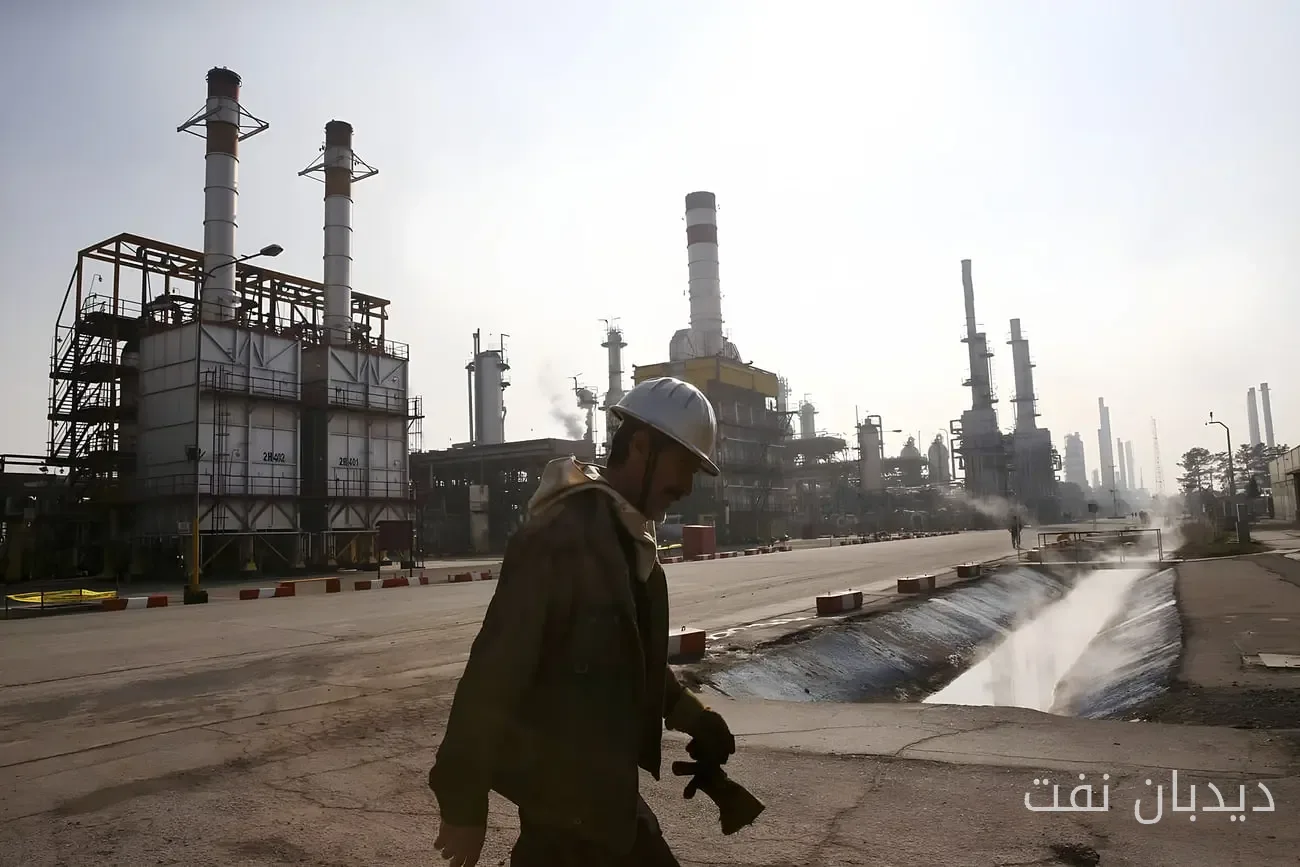
Iran's crude oil exports have reached zero in September. According to estimates from tanker tracking companies, no new shipments of Iran's crude oil have been able to pass through the Strait of Hormuz to China, Iran's main oil customer, since the return of the U.S. maritime blockade on July 23.
Decrease in Crude Oil Loading
Tanker tracking companies Kepler and Vortexa reported on September 1 that Iran's daily oil loading in August decreased to about 220,000 to 255,000 barrels. This figure was nearly 740,000 barrels in July and reached two million barrels per day in March of last year. However, loading does not equate to successful exports, and since August 25, no shipments of Iran's crude oil have been recorded. This is the first time since the beginning of this company's tracking data in 2013 that Iran's crude oil exports have reached zero for an entire month.
Read more: A tanker violated in the waters south of the Strait of Hormuz hit a mine
Impact on Government's Foreign Currency Revenues
The decrease in crude oil exports could put more pressure on the government's foreign currency revenues and make it more difficult to cover the budget deficit. On August 19, Abdolnaser Hemmati, the head of the Central Bank, also pointed out this issue, stating that oil revenue collection has significantly decreased under sanctions and blockade. Some sources say that Iran's exports in August did not even reach 200,000 barrels. Additionally, although exports of some products, including liquefied gas, continue, this amount cannot replace crude oil in any way.
If the decrease in crude oil exports and loading continues, it will limit the government's foreign currency revenues and make it more challenging to secure the budget's rial resources. This situation could lead to increased inflationary pressure, as the government may have to resort to other resources to cover the deficit. In this context, the Central Bank can still manage market fluctuations for a while by supplying available currency and prioritizing imports, but it cannot replace the income flow that is no longer entering the country through intervention.
Overall, without transparent data on the actual available reserves and the amount of currency that is actually supplied to the market, it is impossible to accurately say how much the currency policymaker can defend the exchange rate. However, with the continued decline in foreign currency revenues, the Central Bank's ability to stabilize the exchange rate in the long term decreases, and the likelihood of increased reliance on demand control and rationing rises.
Read more: Analysis of the damages of gas restrictions on petrochemicals in winter by Samaneh Ghaibi · Lifting sanctions on shadow tankers to facilitate oil transportation



