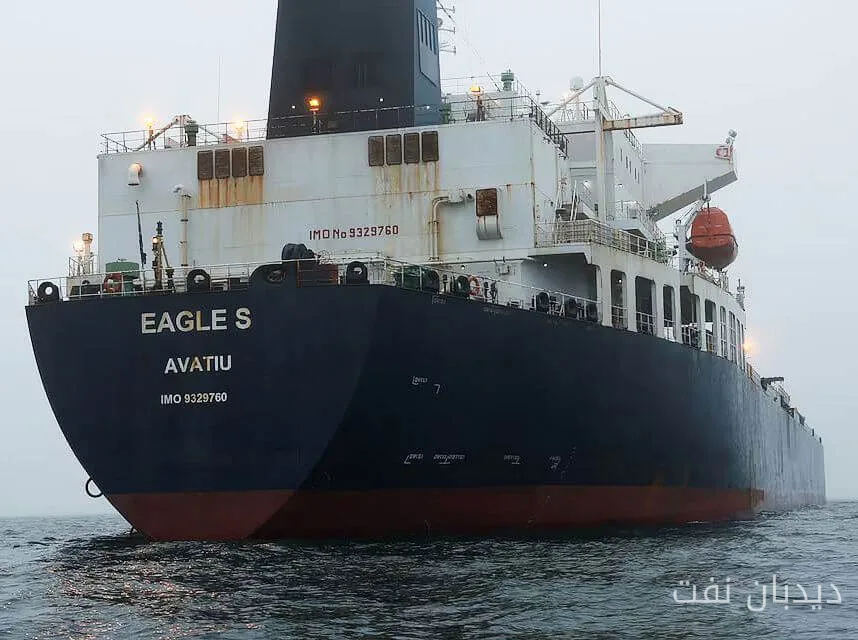
The United States government has decided to reduce sanctions against shadow tankers in order to lower the historically high costs of oil transportation on long routes. This decision, which has faced criticism from some in the industry, includes a process beyond a simple exemption procedure.
New Sanction Details
Chris Wright, the U.S. Secretary of Energy, announced that sanctions will be lifted from 'dirty' tankers when they are sold to new owners and transferred to legal commercial routes. This announcement reflects a new effort by the government and highlights the depth of the challenges posed by the Iran conflict.
Oil Market Status
While oil transportation from the Strait of Hormuz continues at 10 million barrels per day and nearly 80 percent of the volume of Middle Eastern oil exports has returned to pre-conflict conditions, the shortage of tankers remains a serious problem in the market. Daily rates for large tankers are so high that transportation costs alone keep crude oil prices above $100 per barrel.
Wright stated at a conference: "We will transfer some ships from what I call the 'bad fleet' to the 'good fleet.' These ships will no longer carry sanctioned oil." This action clearly demonstrates the United States' efforts to improve the status of tankers in the global market.
S&P Transactions and Ownership Transfer
The arrangements Wright referred to include buy and sell transactions. Investors purchase sanctioned tankers, refurbish them, and then use their capacity to carry legal cargoes. Wright said: "We are converting dark tankers into legal tankers."
In each purchase, the transfer of funds to the owners of shadow tankers coincides with appropriate market timing. In a hot rental market, a second-hand tanker can cost significantly more than a new tanker. These sales can yield substantial profits for owners of tankers that have operated on sanctioned routes.