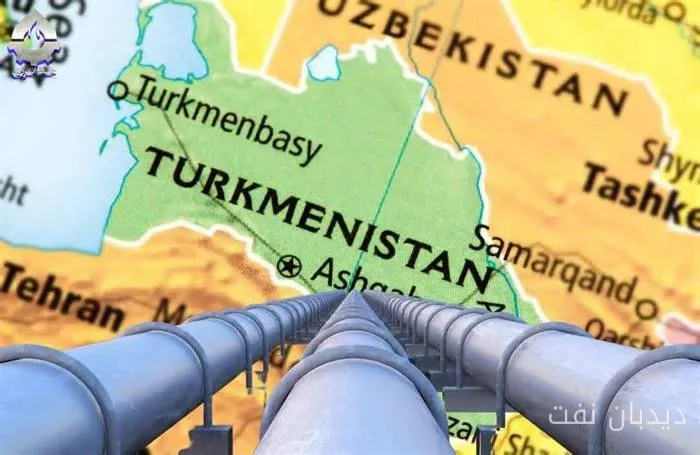
Iran and Turkmenistan are striving to enter a new phase of economic relations, relying on hydrocarbon swap projects and the revival of multimodal rail corridors. Despite the $3 billion target for trade volume, the bilateral trade record is limited to only $504 million. This deep gap necessitates a thorough examination of transactional blockages and infrastructural imbalances.
Challenges of Bilateral Trade
Foreign trade between Tehran and Ashgabat has long been subject to quantitative and tariff limitations. The recorded figure of $504 million in non-oil trade shows a significant distance from the potential capacities of the two countries. Leaders of Iran and Turkmenistan have repeatedly announced reaching the ceiling of $3 billion as a medium-term goal, but achieving this target requires an analysis of fundamental obstacles.
Solutions for Enhancing Trade
The main root of this gap is the reliance of bilateral trade on temporary patterns and the lack of long-term contracts. A significant portion of current exchanges is dedicated to the export of complementary products, construction materials, and plastic goods from Iran, while imports from Turkmenistan mainly consist of cotton and textile fibers. To increase the volume of transactions to $3 billion, there is a need to diversify the product basket and reduce non-tariff barriers. Additionally, establishing anti-sanction financial mechanisms should be prioritized.
The Role of Energy Swap in Economic Relations
Energy is recognized as a strategic sector in the economic link between Iran and Turkmenistan. Ashgabat needs to diversify its export routes, and Iran also struggles with gas imbalances during cold seasons. Reviving gas swap contracts between these countries could transform their energy relations and help strengthen exchanges.
Value Chain and Joint Collaborations
Analyzing the demand in the Turkmen market shows that Iran can play a significant role in the developmental projects of this country by exporting technological products and technical and engineering services. Cooperation in petrochemicals and agriculture could also lead to the convergence of investors from both countries. However, structural obstacles and the lack of reliable financial infrastructure are among the main challenges in this path.
Read more: Trump calls for a ban on diesel exports following fuel price increase · Pakistan, in coordination with Iran, passed a gas shipment from Qatar through the Strait of Hormuz