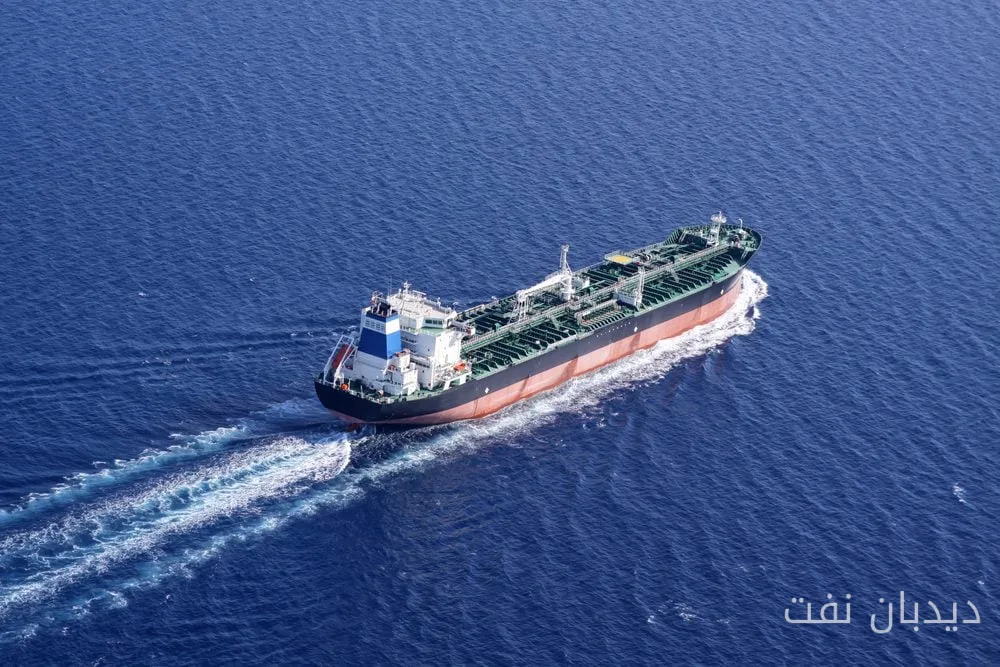
The administration of Donald Trump, the President of the United States, is considering a ban on diesel exports. This decision follows an unprecedented rise in fuel prices and economic concerns from voters ahead of the November midterm elections.
Reasons Behind the Export Ban
Trump stated in his remarks that he has advised his advisors to consider restrictions on diesel exports. He said, "I have said let’s not export diesel." These remarks reflect the increasing pressure Trump is receiving from Republican lawmakers to reduce diesel exports in order to lower prices.
Read more: Analysis of Energy Imbalance in 1405 Focusing on Resistance Economy Clauses
Retail diesel prices in the United States have averaged over $6.50 per gallon, setting a new record. This situation has significantly impacted voters' economic concerns and may hinder Republican victories in the upcoming elections.
Consequences of the Export Ban
However, energy industry experts have warned against this action, stating that an export ban may harm supply chains and put pressure on American oil producers. They believe that while prices may decrease in the short term, this action could lead to further price increases in the long run.
The silence of the Treasury Secretary on this matter and his statements regarding the feasibility of this decision concerning refinery capacity indicate a difference of opinion within the government. Trump also discussed attacks on Russian energy infrastructure with Volodymyr Zelensky, the President of Ukraine, on the sidelines of the United Nations General Assembly.
Some Republican senators, including Chuck Grassley and Dan Sullivan, have supported this action. However, executives from oil companies strongly oppose this decision, believing it will only lead to greater market imbalance.
Ultimately, this decision and its consequences may be felt unevenly across the country, especially in the Northeastern United States, which faces pipeline capacity constraints. However, diesel prices on the Gulf Coast may decrease due to existing stockpiles.
Read more: European Central Bank: Energy Price Increases Until 2027 Will Affect Inflation · Vice President: Women's Economic Participation in Zanjan is 48%