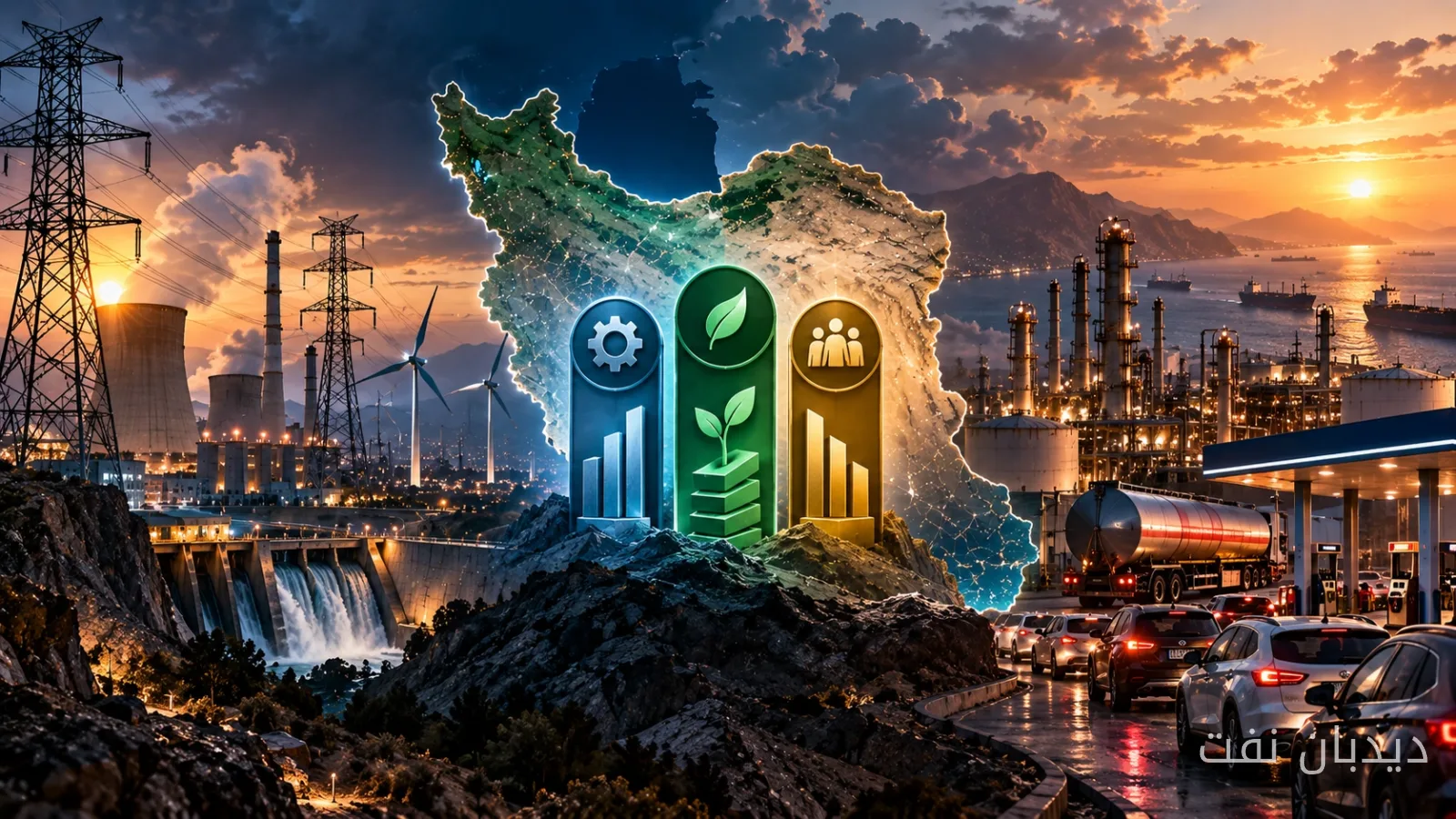
The energy imbalance in 2026 can be examined based on three key clauses of the Resistance Economy: Clause 4 related to targeted subsidies and reducing energy intensity, Clause 8 related to consumption management, and Clause 15 concerning the completion of the oil and gas value chain and the export of electricity and products. According to existing estimates, the electricity grid in the summer of 2026 will face an imbalance of about 13.6 thousand megawatts, while the gasoline deficit will reach about 10 million liters per day.
Introduction to Energy Imbalance
Frequent blackouts and long lines for gasoline clearly indicate energy imbalance, but these alone cannot serve as a measure of the alignment of energy policies with the principles of the Resistance Economy. For an accurate assessment, structural indicators such as energy consumption intensity, the gap between electricity supply and demand, the production-consumption gap of gasoline, and the impact of optimization policies must be considered.
Read more: Bitcoin Mining in Iran; Challenges and Opportunities
How to Measure Energy Imbalance
In examining energy imbalance, clauses 4, 8, and 15 of the Resistance Economy have a direct correlation with issues such as consumption, energy intensity, and the oil and gas value chain. Clause 4 emphasizes the use of targeted subsidy capacity to increase production and reduce energy intensity. Therefore, evaluating electricity and fuel policies requires examining the impacts of subsidies on optimal consumption and social justice.
Clause 8 addresses energy consumption management and peak electricity control, effectively targeting consumption optimization and loss reduction. Clause 15 emphasizes increasing added value through the completion of the oil and gas industry value chain, which can lead to increased exports of electricity and petroleum products. Estimates indicate that the maximum electricity supply capacity in the summer of 2026 will be about 68,420 megawatts, while demand is expected to exceed 81,000 megawatts.
Challenges in Energy Supply
Electricity imbalance depends on various factors, including consumption timing, the operational capacity of power plants, and the status of hydropower generation. Therefore, the difference between "estimated peak demand deficit" and "actual blackout levels" must be taken into account. If demand growth is not managed alongside production capacity increases, the construction of new power plants alone will not be able to sustainably bridge the supply-demand gap.
Regarding gasoline, Karamat Viskarami, CEO of the National Oil Products Distribution Company, announced on July 15, 2026, that the average daily gasoline production during this period was about 121 million liters. Meanwhile, the average daily consumption has reached about 129 million liters, indicating an imbalance in gasoline supply. Data show that the existing challenges are not limited to production capacity, and factors such as demand growth and the status of the transportation fleet also play a role in this imbalance.
Conclusion and Future Outlook
Ultimately, the energy imbalance clearly indicates that current policies must be improved in light of clauses 4, 8, and 15 of the Resistance Economy. Increasing refinery production without reducing consumption intensity and modernizing the fleet cannot alone resolve the imbalance. Planning for consumption management and developing new capacities, such as solar and wind power plants, will be essential in this path.



