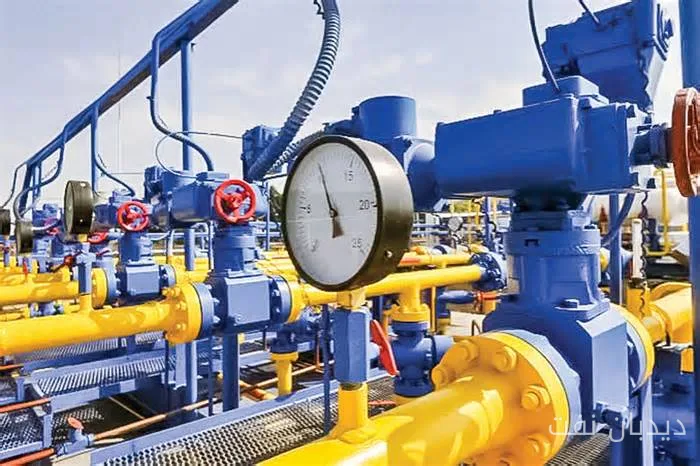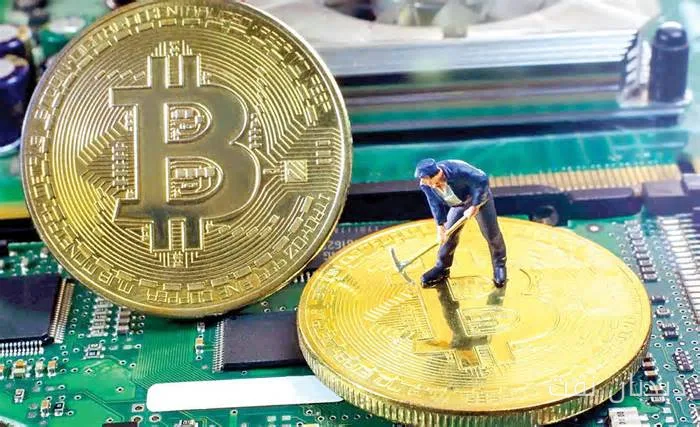
Bitcoin mining in Iran has become a capital-intensive and energy-consuming activity. While the country burns about 17.5 billion cubic meters of associated gas in flares annually, the structural imbalance in electricity has also increased challenges for this industry. Digital mining can become a high-consuming and opaque user of the electricity grid, but if connected to wasted energy sources, it can convert part of the energy waste into income.
Challenges and Costs of Mining
The April 2024 halving reduced the reward for mining each Bitcoin block from 6.25 to 3.125 Bitcoin, putting the mining economy into a tougher phase. Research estimates the cost of producing each Bitcoin after the halving to be around $37,856. In this situation, the price of electricity becomes a matter of survival, and for some large companies like Riot Platforms, this cost has reached about $46,324.
Read more: The Deputy Coordinator of Urban Affairs of North Khorasan Province Warned About Winter Gas
Modeling and New Opportunities
Conducted modeling shows that at a hash price of about $30, the electricity shutdown price for new devices with an efficiency of 13 to 17 joules per terahash is around 7 to 9 cents per kilowatt-hour. These figures clarify the gap between the formal and informal mining economy in Iran. The export electricity tariff for permitted mining, estimated at around 7 to 10 cents, ties the activity to the use of new devices and heavy investment. In contrast, subsidized electricity at a price of about 0.5 to 1 cent can even bring outdated equipment into the profitability range.
Global experience shows that the relationship between mining and the electricity grid does not necessarily lead to higher consumption. In the Texas electricity market, miners have become flexible consumers who can reduce their load during network pressure. This flexibility capacity allows the mining industry to transform from a fixed consumer into a tool for demand management. In Iran, authorized farms can also be turned into consumers that have a load reduction contract from the start and receive costs for freeing up grid capacity.
Considering that mining devices, unlike mines and many heavy industries, have a short economic lifespan, the ASIC market is dominated by a limited number of manufacturers. Companies like Bitmain and MicroBT hold a large share of the market. The dependency of this chain on advanced chip manufacturing technology has also highlighted the role of companies like TSMC on the supply side.
Ultimately, Iran's image of Bitcoin mining is dual. Raw data from the Cambridge Bitcoin Electricity Consumption Index shows that Iran's share, after peaking at 3.11% in 2021, was about 0.12% in January 2022. However, adjusted analytical estimates put Iran's actual share between 3% and 5%. The gap between official and unofficial capacity is significant, and the discovery of over 300,000 smuggled mining devices with a cumulative capacity of about 1,000 megawatts is part of the reality of this industry in Iran.
Read more: Controlling Gas Imbalance by Reviving CNG in the Fourteenth Government · Behrouz Kamalvandi Emphasized Iran's Strong Will to Defend Itself