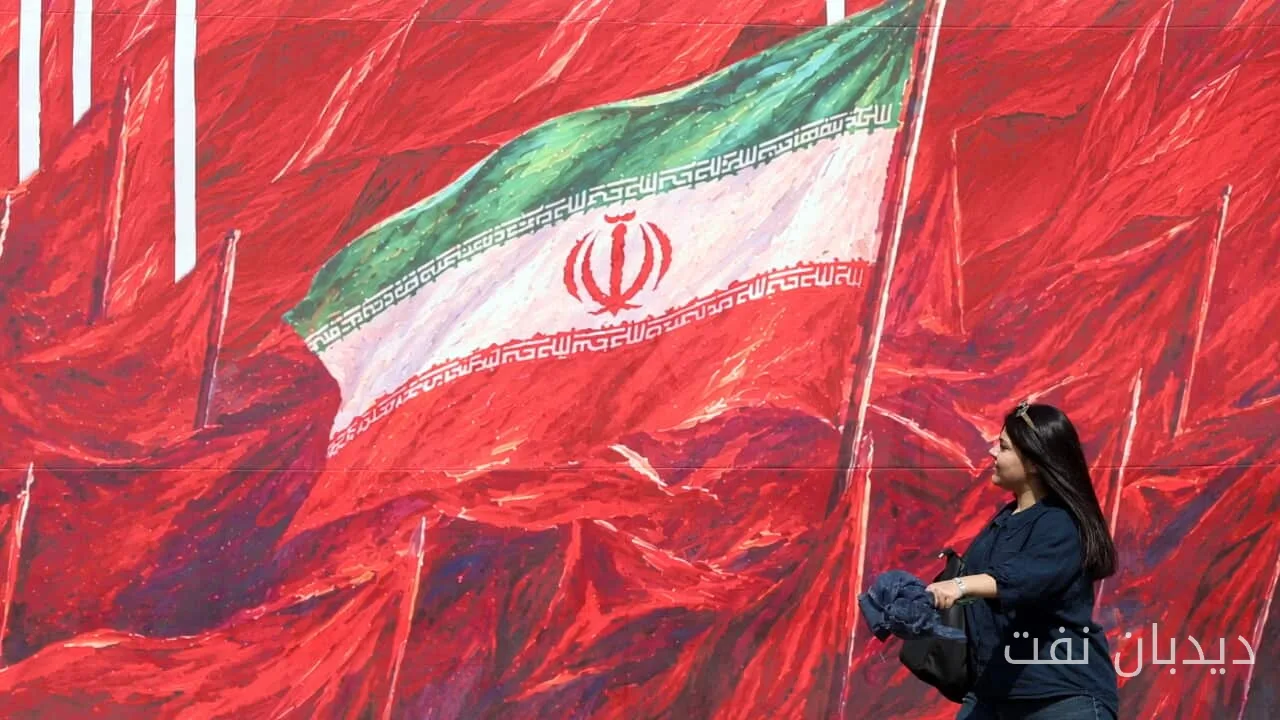
The indirect talks between Iran and the United States to reopen the Strait of Hormuz have entered their third day as Gulf countries prepare for the possibility of renewed hostilities.
Qatar's Mediation Efforts
Qatar is attempting to mediate between the two sides to facilitate the release of over $6 billion of Iran's frozen assets; an action that could lead to the reopening of the Strait of Hormuz and the resumption of negotiations regarding Iran's nuclear program.
Read more: Oil tanker targeted by sticky mine attack in the Strait of Hormuz
Anwar Gargash, the UAE envoy, stated that a renewed escalation of tensions would not benefit Iran or any of its neighbors. He noted the concerns of regional countries, saying, "We, as we have shown before, are prepared for the worst-case scenario." Gargash also emphasized the importance of maintaining relations with Iran, as it is their neighbor, and the UAE does not want Iran to enter a prolonged crisis.
Attacks on Oil Tankers and Nuclear Negotiations
Qatar's mediation efforts continue as on Friday, missiles of unknown origin struck a Qatari oil tanker carrying liquefied natural gas bound for Pakistan near the Strait of Hormuz. This attack occurred just hours after Tehran had granted the ship safe passage.
To reduce distrust between the two sides, Qatar is negotiating a plan that would shorten the process of lifting U.S. sanctions, reopening the Strait of Hormuz by Iran, and resuming nuclear negotiations. Iran has agreed to reduce this process from seven days to two days.
Abbas Araghchi, Iran's foreign minister, stated in an interview with Al Jazeera that Tehran has proposed that if the U.S. lifts the blockade on oil-carrying ships, does not obstruct the release of Iran's assets, and ends oil export sanctions, the Strait of Hormuz could be reopened within two days.
Araghchi also expressed hope that Washington would "prefer diplomacy over other paths." He mentioned that Iran is prepared for both defense and diplomacy, depending on the U.S. approach. However, he stated that there is currently no plan for direct negotiations with the U.S.
In contrast, Ali Nikzad, Iran's deputy parliament speaker, stated that Tehran is not willing to negotiate about its nuclear program. He emphasized that Iran will not negotiate on this issue "under any circumstances or pressure."
In Washington, Marco Rubio, the U.S. Secretary of State, announced that the U.S. government still welcomes a diplomatic solution. Donald Trump, the U.S. President, also said on Saturday that a large part of Iran's military capability has been destroyed, but there are still one or two targets that need to be addressed.
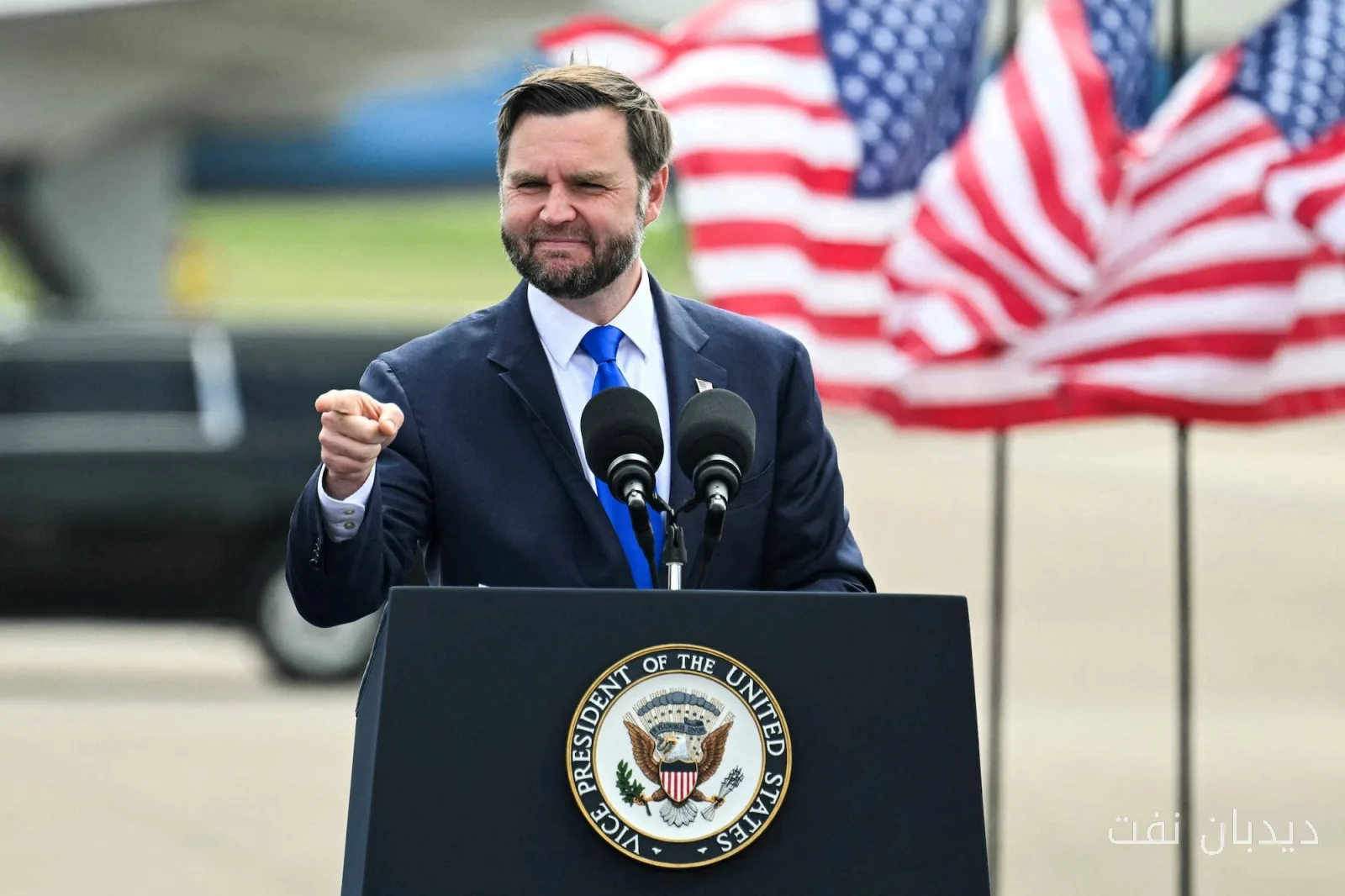
He also assessed the negotiations as "positive," but stated that Iran is not very trustworthy. Mohsen Rezai, a senior security official in Iran, announced that he received a letter from J.D. Vance, the U.S. Vice President, regarding the resumption of negotiations. Rezai mentioned that he noticed a positive change in the tone of the U.S. side, but has not yet responded to this letter.
Meanwhile, concerns about the possibility of a return to military conflict have increased. According to CNN, reports have emerged about the deployment of thousands of U.S. troops to the Middle East and the evacuation of some American diplomats' families from the region.
Trump had previously stated that the U.S. would not attack Iran before the midterm elections on Tuesday, but has not taken a clear stance on the possibility of resuming attacks after the elections. This comes as the war between Iran and the attacks from the U.S. and Israel began in February and has now entered its eighth month. Despite ongoing diplomatic efforts, both sides continue to hold firm to their positions, and there are still no clear signs of a lasting agreement.
Read more: Mark O'Neill's concerns about the shortage of human resources in the maritime transport industry · IRGC Navy: 11 violating oil tankers caught fire in the Strait of Hormuz