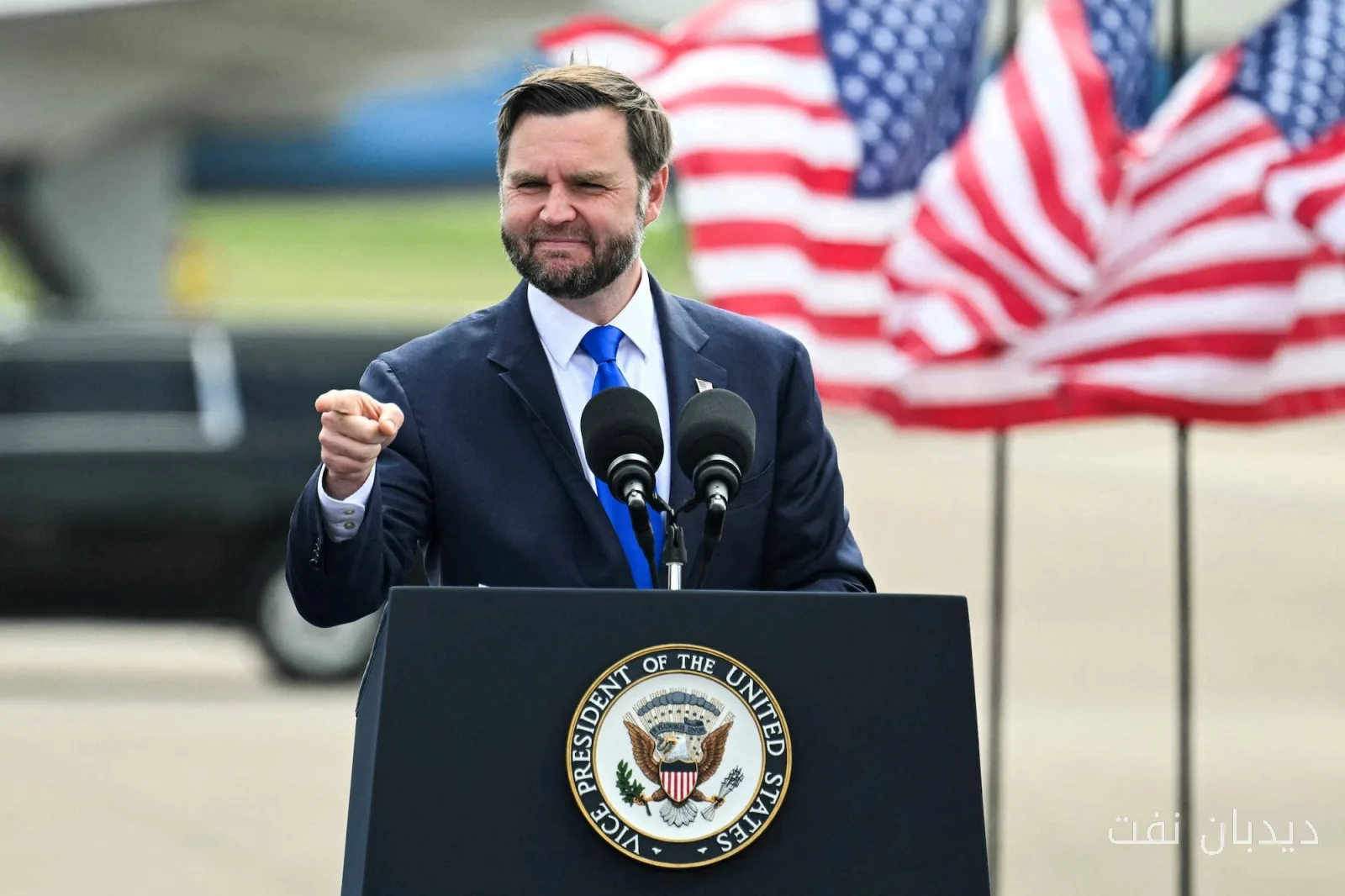
Greg Stanton, the Vice President of the United States, stated that the Republican losses in the midterm elections were due to the war with Iran. This war, which began in February, has increased global energy prices and created ongoing threats to commercial shipping in the Strait of Hormuz.
Election and Public Pressures
Stanton emphasized that the results reflect growing dissatisfaction with the war with Iran in justifying the Republicans' defeat in the recent elections. He cited internal polls that highlighted four main concerns of voters: ending the war with Iran, inflation and cost of living, prioritizing American interests, and U.S. relations with Israel.
Read more: MSC Cruises canceled the shipment of the MSC Poesia tanker due to regulatory issues
These remarks from the Vice President, who himself played a role in the initial war, are significant. Stanton also noted that Washington will not return to negotiations with Tehran until Iran stops its attacks on commercial vessels in the Strait of Hormuz.
Economic Impacts of the War
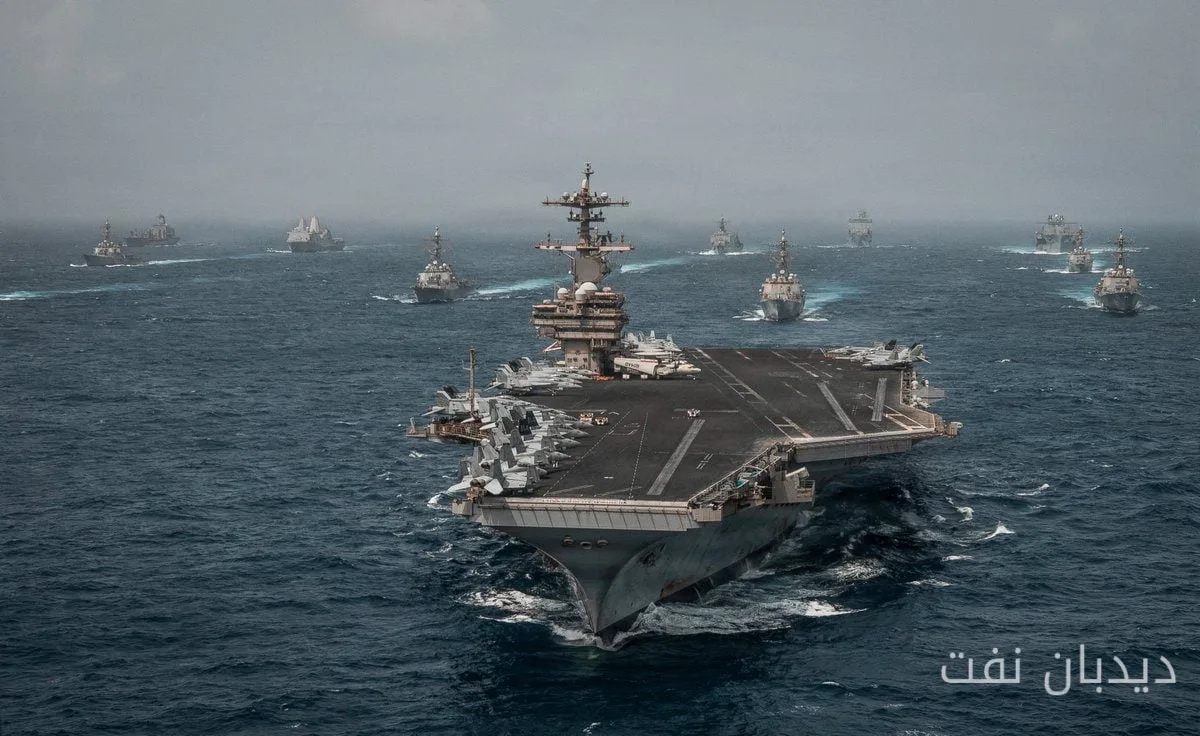
The war, initiated by the United States and Israel, has turned the Strait of Hormuz into a focal point of military and economic conflict. The United States continues to impose a blockade on Iran's maritime trade, while Iran continues its attacks on commercial vessels in the Strait of Hormuz and the Persian Gulf.
Although tanker traffic has improved compared to the early months of the conflict, the security situation remains unstable. In the last week, several new maritime incidents have been reported, including attacks on tankers and other commercial ships. Maritime commercial operations have faced new warnings from the UK Maritime Trade Operations (UKMTO), highlighting ongoing risks to commercial shipping.
These disruptions have led to increased tanker shipping rates, war insurance costs, and global energy prices. Brent crude oil prices remain above $100 per barrel, and rising gasoline and diesel prices have intensified concerns about the cost of living in the United States.
The Future of the War and Maritime Policies
The election results have now created new uncertainty regarding the future of the conflict. With Democrats taking control of Congress in January, the administration may face increased pressure regarding military strategy, the continuation of the blockade on Iran's maritime trade, and the economic costs of the war.
Congress holds control over defense spending and may seek legislation that limits military operations, although President Donald Trump still retains significant executive authority to veto laws.
For the shipping industry, immediate questions are whether Washington will continue its current approach, resume major military operations, or reach an agreement with Tehran that reduces threats against commercial vessels.
Stanton's remarks come as the White House is considering these options, and the Vice President has publicly identified the war as a reason for the Republicans' defeat in Congress.
Read more: Expert: The Strait of Hormuz should become a lever of Iran's global power · Increase of 30,000 Tomans in fuel prices for Iranian trucks at the Bazargan border