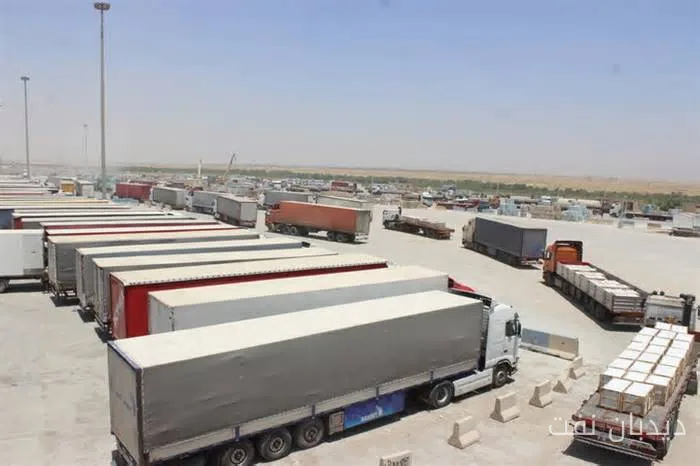
The selling price of fuel for trucks passing through the Bazargan border has increased to 230,000 Tomans per liter. This decision came into effect on November 1, 2024, and has led to significant changes in international transportation costs.
Details of the Fuel Price Increase
Habib Ghasempour, the Secretary of the Association of International Transportation Companies of Iran, announced in a letter to transportation companies that the fuel price has increased from 200,000 Tomans to 230,000 Tomans per liter. This change was made due to rising operational costs and the need to optimize the process of transporting goods to European countries and Georgia.
Implementation of the Full Tank Policy
The letter also mentioned the continuation of the implementation of the Full Tank Policy for Iranian trucks. This policy, which has been in effect since February 19, 2023, allows Iranian trucks exiting the Bazargan border to leave with a sealed full tank of fuel and transit through Turkey by paying the necessary fees at the exit border. As of January 31, 2025, the requirement for this policy will be lifted for Turkish trucks exiting the Bazargan border.
These changes in fuel prices and the implementation of policies indicate efforts to improve the conditions for truck transit and facilitate the shipment of goods to target countries. Overall, these decisions will have direct impacts on transportation and international trade costs, increasing the need for careful planning by transportation companies.
Economic Consequences of the Fuel Price Increase
The increase in fuel prices may affect overall transportation costs and the final prices of goods. Especially considering the economic conditions and global market, these changes may lead to an increase in the prices of imported and exported goods. Additionally, transportation companies will face new challenges in managing costs and optimizing transportation routes. Ultimately, these changes could enhance competitiveness and improve service quality in this sector.