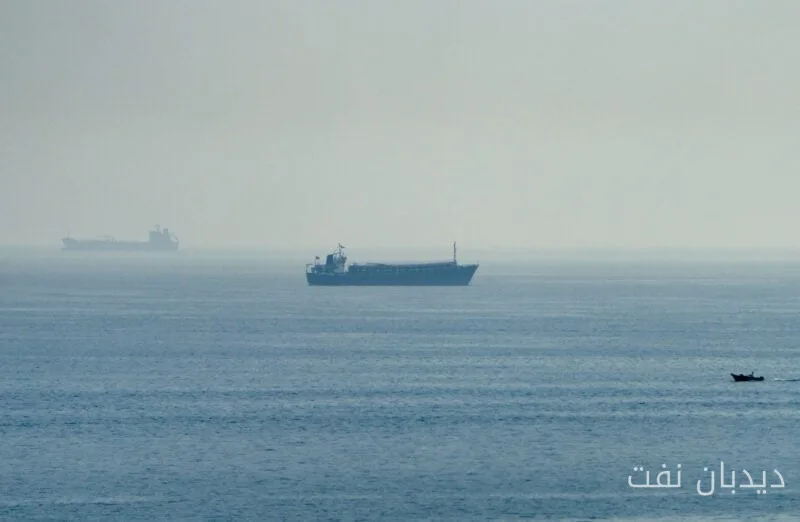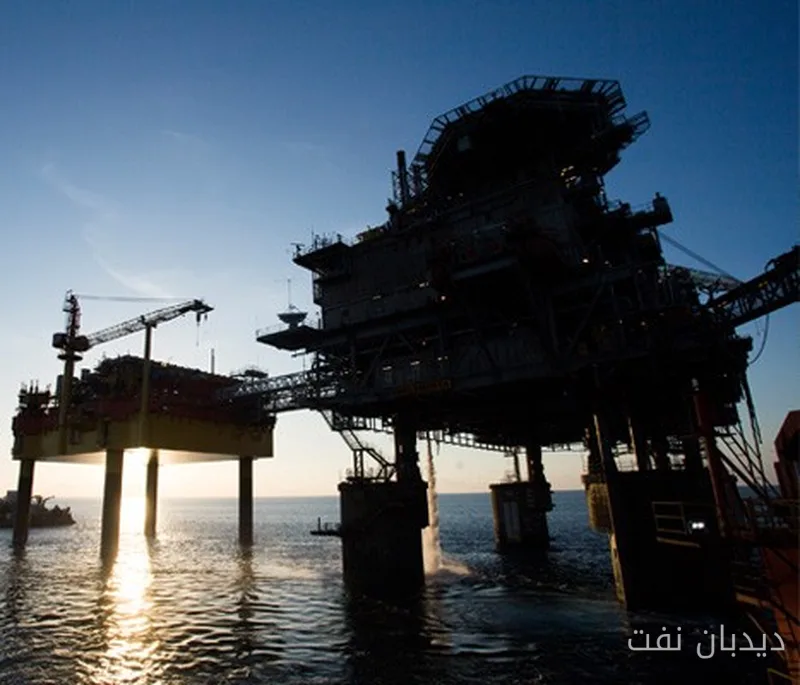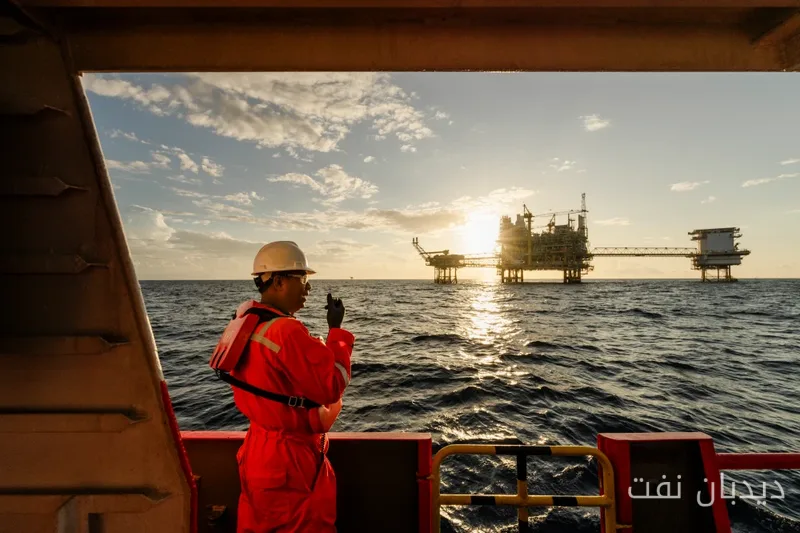
Two tankers have caught fire in the east of the Strait of Hormuz, an event that has heightened concerns about maritime transport security in this strategic area. These incidents occur amid escalating tensions in the Middle East and sanctions against certain countries complicating the situation.
Details of the Fires
The Navy has announced that these two tankers caught fire while passing through this sensitive area. So far, no further details about the cause of the fires or the names of the tankers have been released. It seems these incidents may have occurred following increased political and military tensions in the region.
Read more: Equinor halted production at the Visund platform after the fire
Security and Economic Implications
Fires on tankers can have serious implications for maritime security as well as oil prices in global markets. The Strait of Hormuz, as one of the most important oil transit routes in the world, is significantly affected by any disruptions in transport. Given the existing sanctions, these incidents could lead to further concerns regarding supply and demand.
Reports indicate that recent fires in this area could lead to an increase in oil prices in global markets. Investors and analysts are closely monitoring developments in this region to predict their impacts on oil markets. Meanwhile, countries and oil companies are seeking solutions to mitigate risks associated with maritime transport.
Challenges Ahead
In light of the current situation, regional countries and oil companies must seek new strategies for managing security risks. Strengthening international cooperation in securing maritime routes and establishing more advanced systems for tracking and controlling tanker fleets could be among the solutions that help reduce potential damages.
Ultimately, these events highlight the complex challenges facing the oil industry, and there is an increasing need for a comprehensive and collaborative approach to address these challenges.
Read more: Wollstoy Energy signed a new drilling contract with Petromas Kargali · Completion of an Iranian tanker shipment with sanctioned cargo on a specified date