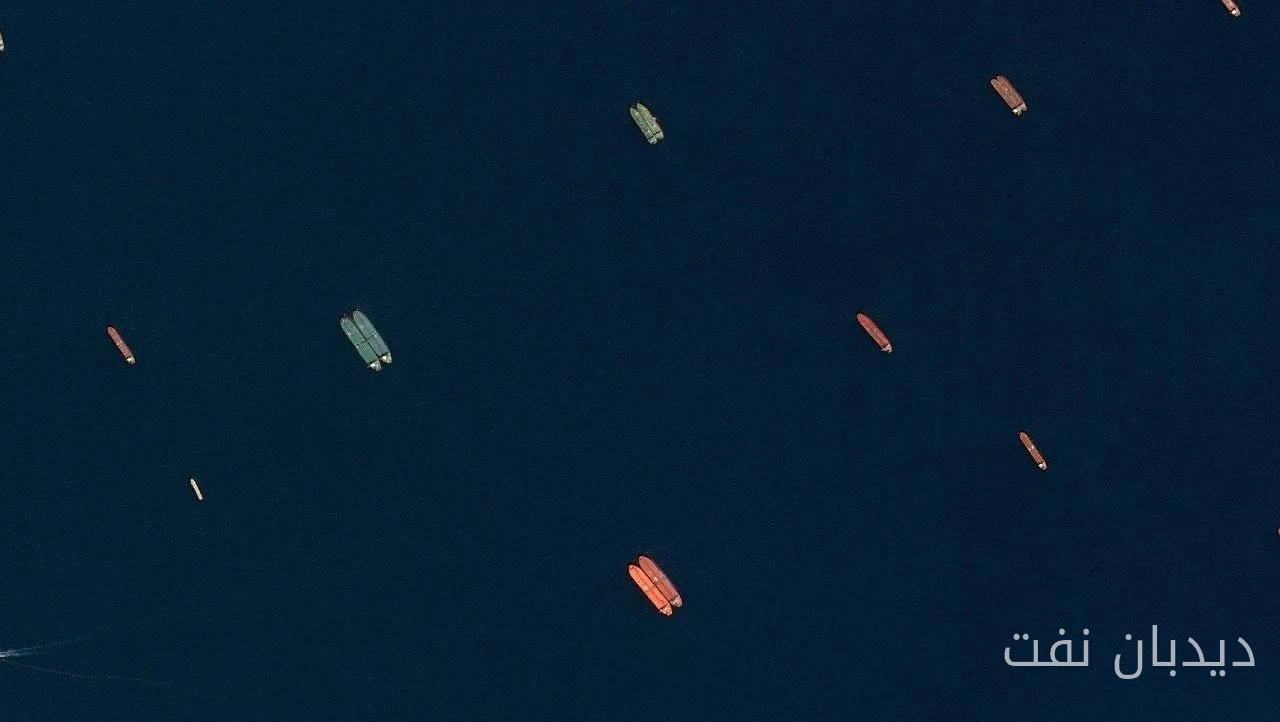
The increase in Saudi oil exports in September 2023 to 3.6 million barrels per day has led to restrictions on oil transfers through ship-to-ship (STS) operations in the Sea of Oman. Experts and trade sources stated that this increase in exports has created a need for more tankers to move crude oil from the Strait of Hormuz.
Impact on Transportation Costs
With the increase in Saudi oil exports, especially after the attack on the East-West pipeline on September 13, transportation costs and the time required for shipments to reach refineries have risen. Saudi Arabia, through its state oil company Saudi Aramco, has sold over 60 million barrels of oil for STS transfer near the port of Sohar in Oman.
Read more: Ventura Offshore Signs New Drilling Contract in Indonesia
Demand for Large Tankers
Analysts have predicted that the increase in Saudi oil exports, which rose from 900,000 barrels per day in August to 3.6 million barrels per day in September, will require an additional 36 to 40 Very Large Crude Carriers (VLCCs). Each VLCC has the capacity to carry 2 million barrels of oil. According to Anup Singh, Head of Global Transportation Research, the number of tankers needed for oil transportation has increased to 40 compared to before the war.
Moreover, the rising demand for tankers has pushed the daily rental rates for VLCCs transporting oil from the Middle East to China to a record $1.27 million per day. This increase in demand has been exacerbated by competition with other Gulf suppliers, including Iraq and the United Arab Emirates, which are utilizing STS services outside of Hormuz.
Traffic and Delays in STS Operations
Vortexa analysts have warned of the challenges faced by STS operations, stating that the volume of STS for crude oil loaded from ports west of Hormuz has remained around 6 million barrels per day since the end of August. Long queues have formed for access to equipment such as tugboats and labor.
These delays have also led Chinese buyers to request that shipments be redirected to other locations such as the western coast of India or Malaysia instead of STS in the Strait of Hormuz, or delivered directly to refineries.
For example, a VLCC tanker named Gold Shine, which loaded 2 million barrels of Saudi crude from the port of Ras Tanura, is heading towards the port of Guangzhou in China. Other refineries, such as those of Sinochem and Fujian, are also dependent on these shipments.
Currently, two VLCCs from S-Oil, of which the majority stake is owned by Saudi Aramco, have been sent towards STS operations near the port of Vadinar on the western coast of India.
Read more: Extension of Ventura Offshore Contract with SIRAR for Drilling in Indonesia · Public Companies Produce 68% of Oil and Gas in the United States