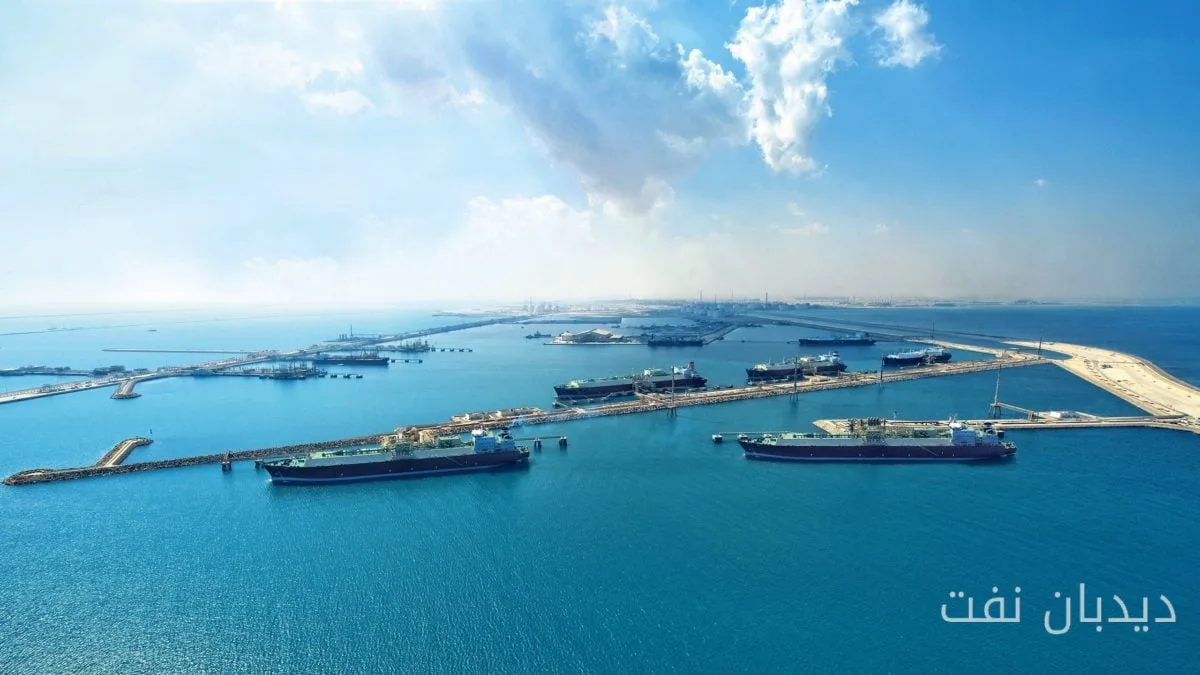
Liquid natural gas (LNG) shipments from the Strait of Hormuz have meaningfully increased in recent dates, with this trend starting in September and regional producers seemingly striving to enhance energy supply for demanding customers.
Details of Shipments and Routes
According to vessel tracking data, at least three LNG shipments have departed from this key waterway since early last week. In September, traffic flow in this route reached its highest level since tensions began in Iran in late February, yet it remains 75 percent lower than pre-war levels.
Read more: 210% Increase in Gulf Oil Exports to 14 Million Barrels per Day
The market is closely monitoring LNG shipments from the Strait of Hormuz for signs of improvement in energy supply. The supply crisis that drove prices in Europe and Asia to their highest levels since late 2022 last month has sparked new challenges, especially ahead of the Northern Hemisphere winter when heating demand typically rises.
Ongoing Transportation Risks
The increase in traffic in this route occurs amid ongoing transportation risks due to multiple incidents in recent days. Reports indicate that the UK Maritime Trade Operations received a report of a tanker colliding with an unknown project in the Strait of Hormuz on October 4.
These incidents have raised deep concerns in the shipping industry and could negatively impact LNG supply flows. Meanwhile, governments and companies operating in this industry are seeking solutions to manage these risks and maintain safe passage in this strategic route.
Additionally, the specifications of LNG projects under development in the region, such as those related to investments in natural gas, have attracted attention. For example, new investments in LNG projects in Alaska seeking to attract investment from South Korea may help increase global liquid natural gas export capacity.
It is expected that with the continuation of this trend, we will witness further developments in the global LNG market, which could have significant impacts on prices and energy supply worldwide.
Read more: Mohsen Paknejad, Iran's Oil Minister Resigned Due to Suspension of Crude Oil Loading · Tanker Hit by Projectile in the Strait of Hormuz



